


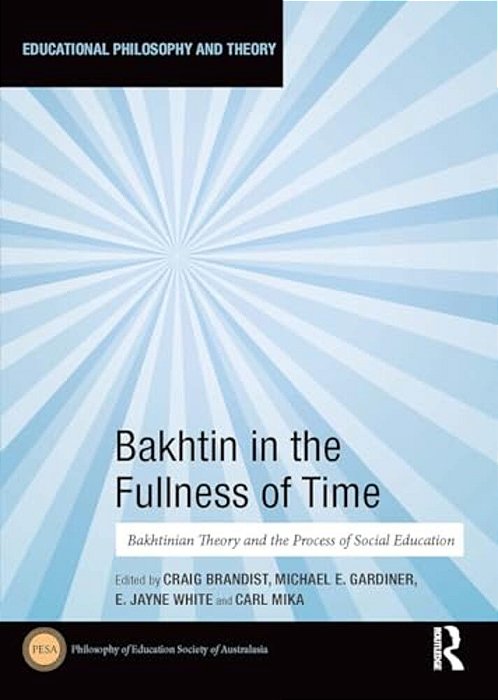
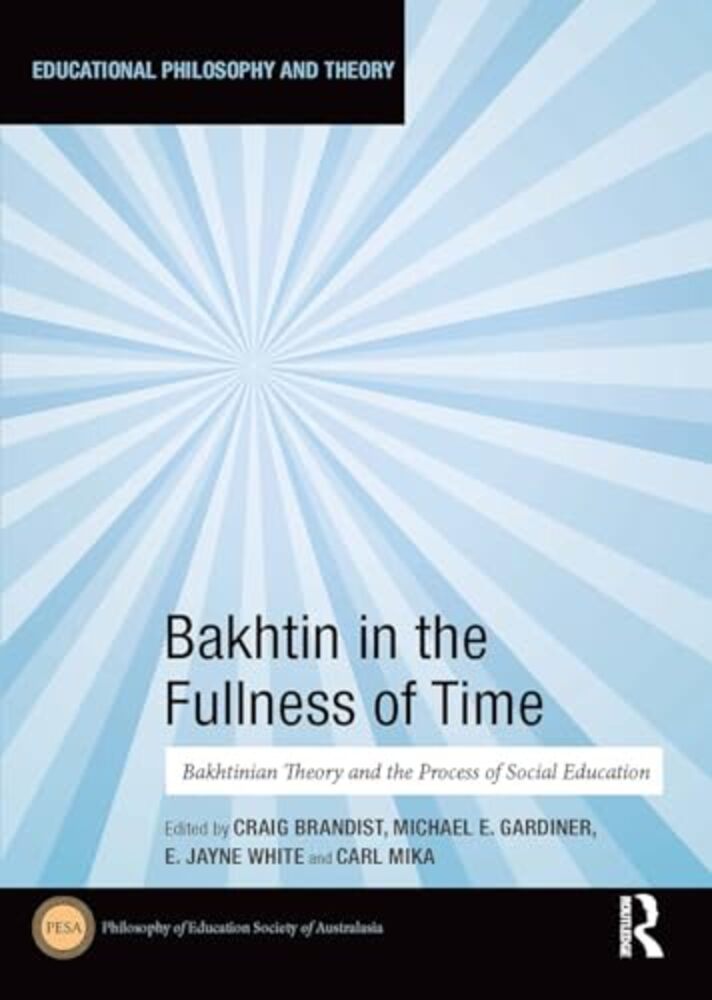
Bakhtin In The Fullness Of Time: Bakhtinian Theory And The Process Of Social Education-..
até
4x
de
R$ 104,56
sem juros
ou R$ 397,35
via Pix
Adicionar ao carrinho
Disponibilidade: 45 dias úteis
Estoque: 157 unidades
-
- 1x de R$ 418,26 sem juros
- 2x de R$ 209,13 sem juros
- 3x de R$ 139,42 sem juros
- 4x de R$ 104,56 sem juros
-
R$ 397,35

-
R$ 418,26


This book takes the works of Mikhail Bakhtin as its inspiration in the contemplation of the potential of dialogic scholarship for philosophy of education. While Bakhtin's work has been widely received in educational studies in recent years, the academic literature does not sufficiently convey the sophistication of his cultural-historical works.Selected works on the limits and perspectives of Mikhail Bakhtin are presented in the book. In doing so, the contributors seek to interpret the work of the Bakhtin Circle in a complex contemporary world. Layering and drawing from the many ideas explored by the Circle during their collective lifetimes and those that influenced their work, each chapter offers a different dimension of thought concerning issues facing societies remote (or perhaps not so remote) from the world of post-revolutionary Russia.In the post-2008 era, during which financial crises have morphed into global recession and which characterise growing social inequities, widespread political instabilities and further environmental decline and resource depletion, what is needed more than ever is a twenty-first century Bakhtin, one that is occupied with the distinct challenges our times present to all of us. The individual contributors to Bakhtin in the Fullness of Time aim to contribute to a revisioning and reassessment of Bakhtin, through a diverse series of engagements with both his legacy and future promise. In contemplating Bakhtin in the fullness of time, historical perspectives and contributions must be encountered in a contemporary understanding that will contribute to philosophy of education today.The chapters in this book were originally published in the journal Educational Philosophy and Theory.
Brandist, Craig
Craig Brandist é especialista em teoria cultural e história de intelectuais russos e soviéticos, reconhecido internacionalmente por suas reflexões em torno do chamado Círculo de Bakhtin. Diretor do Bakhtin Centre e professor do Departamento de Russo e Estudos Eslavos da Universidade de Sheffield, no Reino Unido. Seu trabalho encontra-se numa extensa publicação de livros, capítulos e vários artigos em periódicos, resultado de mais de dez anos de estudo na Universidade de São Petersburgo, na Rússia, e também na Universidade de Jyväskylä, na Finlândia.
O autor prioriza várias questões como a relevância da sociologia da linguagem desenvolvida na União Soviética e suas fontes intelectuais, o estudo das intervenções nos conflitos linguísticos e projetos em instituições acadêmicas, a importância da Rússia pré-revolucionária e as ciências da linguagem europeia para os pensadores soviéticos; por fim, estuda a natureza dos engajamentos de linguistas soviéticos com ideias de outras tradições. |
| ISBN | 9781032839301 |
| Autor(a) | Brandist, Craig |
| Editora | Routledge |
| Ano de edição | 2024 |
| Páginas | 160 |
| Acabamento | Brochura |
| Dimensões | 24,60 X 17,40 |
Produtos relacionados
-
 In The Fullness Of Time-..
R$ 165,92R$ 132,74até 2x de R$ 66,37 sem jurosou R$ 126,10 via Pix20% Desconto -
 In The Fullness Of Time: Recovery From Borderline Personality Disorder-..
R$ 871,50R$ 697,20até 4x de R$ 174,30 sem jurosou R$ 662,34 via Pix20% Desconto -
 The Body: Social Process And Cultural Theory-..
R$ 1.228,40R$ 982,72até 4x de R$ 245,68 sem jurosou R$ 933,58 via Pix20% Desconto -
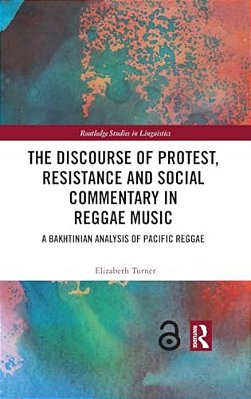 The Discourse Of Protest, Resistance And Social Commentary In Reggae Music: A Bakhtinian Analysis Of Pacific Reggae-..
R$ 1.942,12R$ 1.553,70até 4x de R$ 388,42 sem jurosou R$ 1.476,02 via Pix20% Desconto
-

Categorias
Pague com

Selos

MYRE EDITORA, COMERCIALIZADORA, IMPORTADORA E DISTRIBUIDORA LTDA - CNPJ: 50.295.718/0001-20 © Todos os direitos reservados. 2026
