


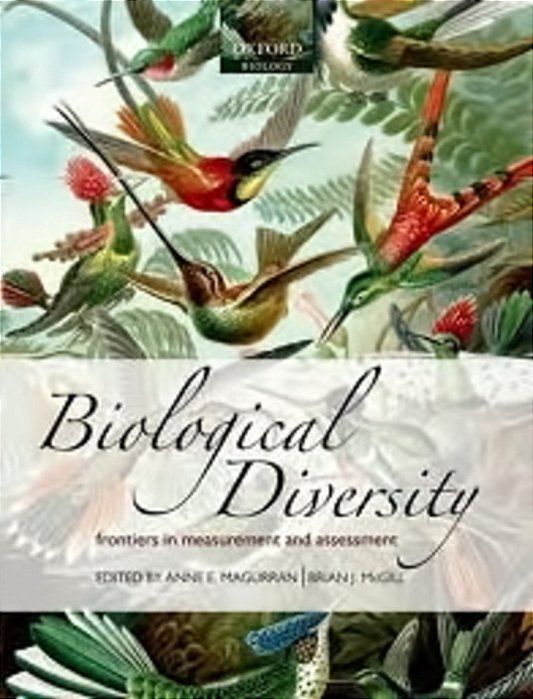
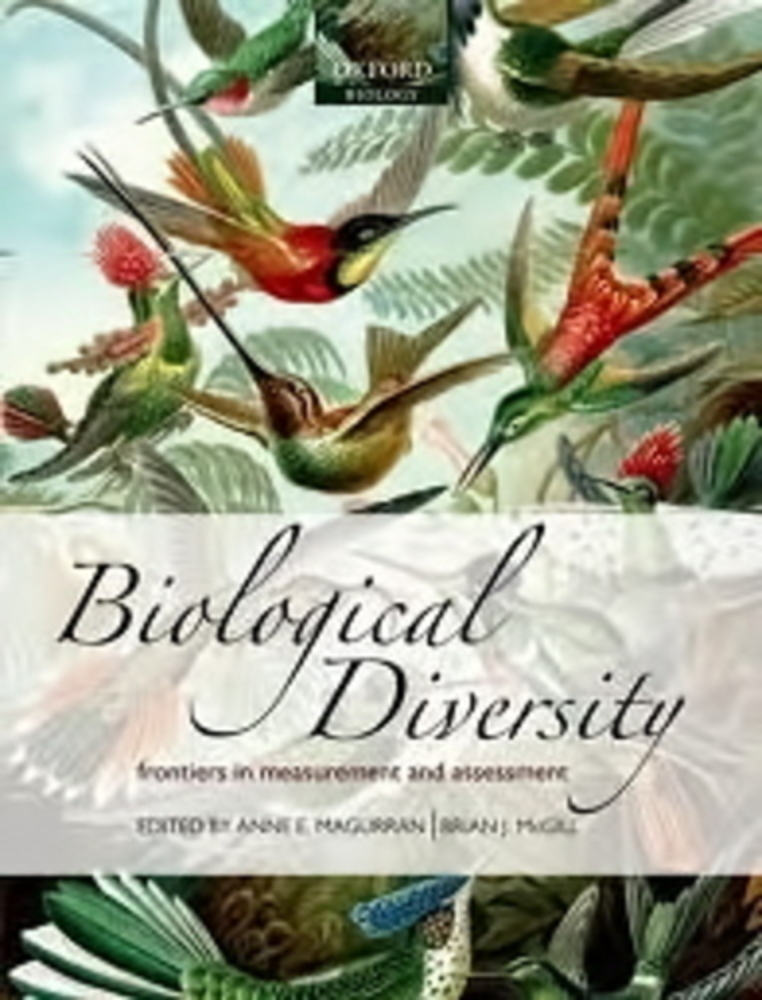
Biological Diversity - Frontiers In Measurement And Assessment-..
até
4x
de
R$ 132,80
sem juros
ou R$ 504,64
via Pix
Adicionar ao carrinho
Disponibilidade: 45 dias úteis
Estoque: 205 unidades
-
- 1x de R$ 531,20 sem juros
- 2x de R$ 265,60 sem juros
- 3x de R$ 177,06 sem juros
- 4x de R$ 132,80 sem juros
-
R$ 504,64

-
R$ 531,20


Biological Diversity Provides An Up-To-date, Authoritative Review Of The Methods Of Measuring And Assessing Biological Diversity, Together With Their Application. The Book's Emphasis Is On Quantifying The Variety, Abundance, And Occurrence Of Taxa, And On Providing Objective And Clear Guidance For Both Scientists And Managers. This Is A Fast-Moving Field And One That Is The Focus Of Intense Research Interest. However The Rapid Development Of New Methods, The Inconsistent And Sometimes Confusing Application Of Old Ones, And The Lack Of Consensus In The Literature About The Best Approach, Means That There Is A Real Need For A Current Synthesis.
Biological Diversity Covers Fundamental Measurement Issues Such As Sampling, Re-Examines Familiar Diversity Metrics (Including Species Richness, Diversity Statistics, And Estimates Of Spatial And Temporal Turnover), Discusses Species Abundance Distributions And How Best To Fit Them, Explores Species Occurrence And The Spatial Structure Of Biodiversity, And Investigates Alternative Approaches Used To Assess Trait, Phylogenetic, And Genetic Diversity. The Final Section Of The Book Turns To A Selection Of Contemporary Challenges Such As Measuring Microbial Diversity, Evaluating The Impact Of Disturbance, Assessing Biodiversity In Managed Landscapes, Measuring Diversity In The Imperfect Fossil Record, And Using Species Density Estimates In Management And Conservation.
Features
provides An Up-To-date, Authoritative Review Of The Methods Of Measuring Biological Diversity, Together With Their Application
incorporates The Latest Developments In Methodology And Provides A Consensus For Best Practice
contributions From Leading Researchers In The Field Who Have Been Actively Involved In Developing The Approaches Discussed
describes An Agenda For Future Research
discusses Practical Applications In The Context Of Managed Landscapes, Disturbed Habitats, And Areas Of Conservation Interest
| ISBN | 9780199580675 |
| Autores | Magurran, Anne E. ; Mcgill, Brian J. |
| Editora | Oxford University Press - USA |
| Idioma | Inglês Americano |
| Ano de edição | 2010 |
| Páginas | 368 |
| Acabamento | Brochura |
| Dimensões | 26,00 X 19,00 |
Produtos relacionados
-
 Measuring Biological Diversity-..
R$ 1.012,19R$ 809,75até 4x de R$ 202,43 sem jurosou R$ 769,26 via Pix20% Desconto -
 Measuring Biological Diversity-..
R$ 1.012,19R$ 809,75até 4x de R$ 202,43 sem jurosou R$ 769,26 via Pix20% Desconto -
 Evolution Of Biological Diversity-..
R$ 871,50R$ 697,20até 4x de R$ 174,30 sem jurosou R$ 662,34 via Pix20% Desconto -
 Gapdh: Biological Properties And Diversity-..R$ 1.825,92até 4x de R$ 456,48 sem jurosou R$ 1.734,62 via Pix
-

Categorias
Pague com

Selos

MYRE EDITORA, COMERCIALIZADORA, IMPORTADORA E DISTRIBUIDORA LTDA - CNPJ: 50.295.718/0001-20 © Todos os direitos reservados. 2026
