


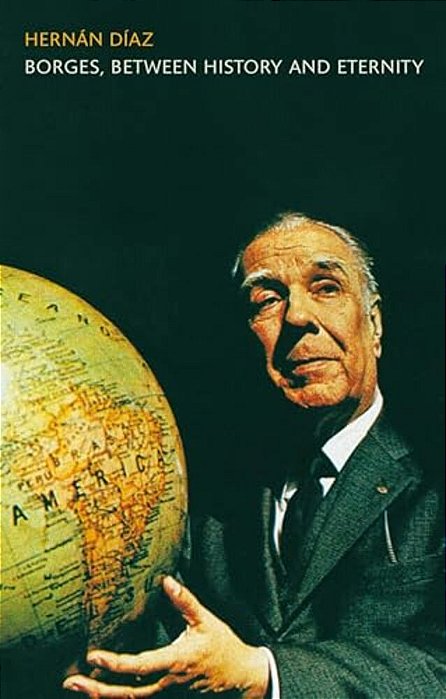
Borges, Between History And Eternity-..
até
4x
de
R$ 67,97
sem juros
ou R$ 258,31
via Pix
Adicionar ao carrinho
Disponibilidade: 45 dias úteis
Estoque: 276 unidades
-
- 1x de R$ 271,91 sem juros
- 2x de R$ 135,95 sem juros
- 3x de R$ 90,63 sem juros
- 4x de R$ 67,97 sem juros
-
R$ 258,31

-
R$ 271,91


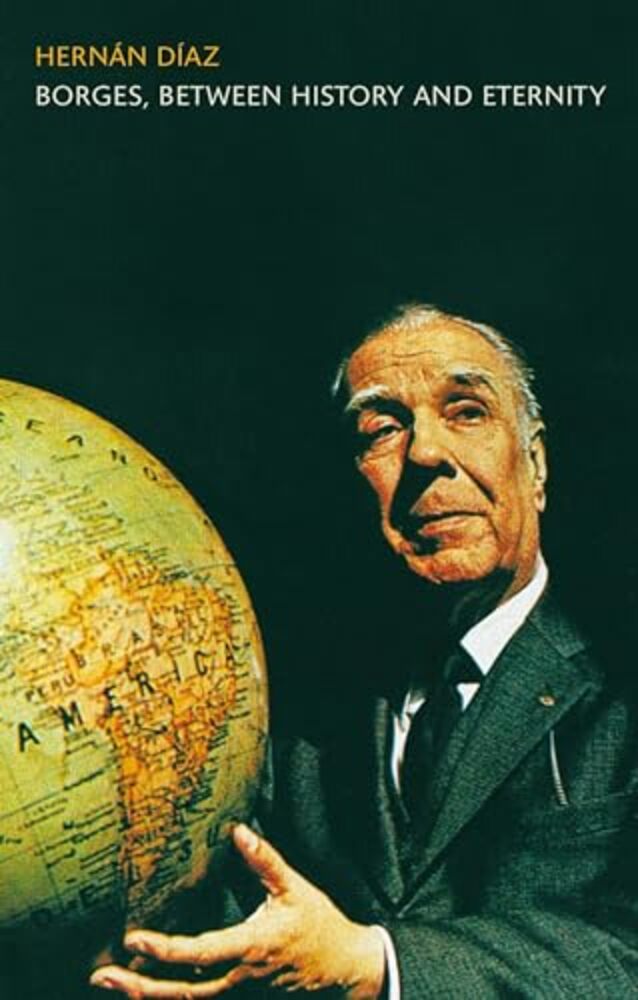
That Borges is one of the key figures in 20th-century literature is beyond debate. The reasons behind this claim, however, are a matter of contention. In Latin America he is read as someone who reorganized the canon, questioned literary hierarchies, and redefined the role of marginal literatures. On the other hand, in the rest of the world, most readers (and dictionaries) tend to identify the adjective "Borgesian" with intricate metaphysical puzzles and labyrinthine speculations of universal reach, completely detached from particular traditions. One reading is context-saturated, while the other is context-deprived. Oddly enough, these "institutional" and "transcendental" approaches have not been pitched against each other in a critical way. Borges, between History and Eternity brings these perspectives together by considering key aspects of Borges's work-the reciprocal determinations of politics, philosophy and literature; the simultaneously confining and emancipating nature of language; and the incipient program for a literature of the Americas.
Diaz, Hernan
Hernan
Diaz é autor de dois romances, publicados em mais
de vinte idiomas. O primeiro, In the Distance(2017), foi finalista do
Pulitzer e do Prêmio PEN/ Faulkner, eleito um dos Dez Melhores Livros de 2020
pelo Publishers Weekly. Confiança, seu segundo romance, entrou
para a lista estendida do Booker Prize de 2022. Diaz também publicou um livro
de ensaios sobre o argentino Jorge Luis Borges e seu trabalho já figurou em
revistas como The Paris Review, Grantae Playboy. Foi contemplado
com um Guggenheim Fellowship, um Whiting Award, o William Saroyan International
Prize for Writing, além de uma bolsa do Dorothy and Lewis B. Cullman Center for
Scholars and Writers da Biblioteca Pública de Nova York. |
| ISBN | 9781441197795 |
| Autor(a) | Diaz, Hernan |
| Editora | Bloomsbury Publishing Plc |
| Ano de edição | 2012 |
| Páginas | 208 |
| Acabamento | Brochura |
| Dimensões | 21,30 X 13,70 |
Produtos relacionados
-
 Borges, Between History And Eternity-..
R$ 1.452,50R$ 1.162,00até 4x de R$ 290,50 sem jurosou R$ 1.103,90 via Pix20% Desconto
-



Categorias
Pague com

Selos

MYRE EDITORA, COMERCIALIZADORA, IMPORTADORA E DISTRIBUIDORA LTDA - CNPJ: 50.295.718/0001-20 © Todos os direitos reservados. 2026
