


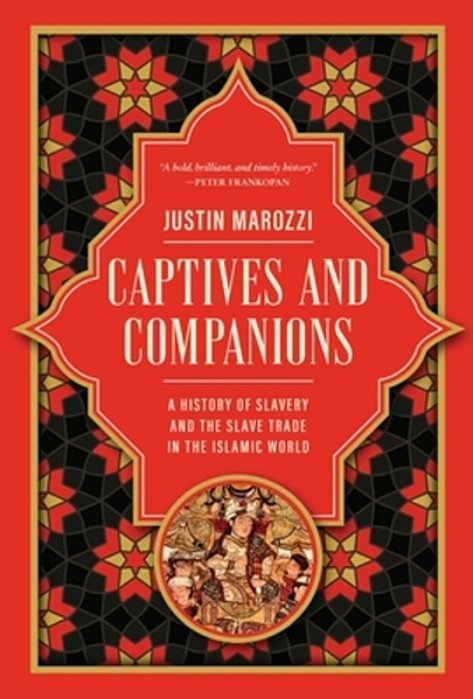
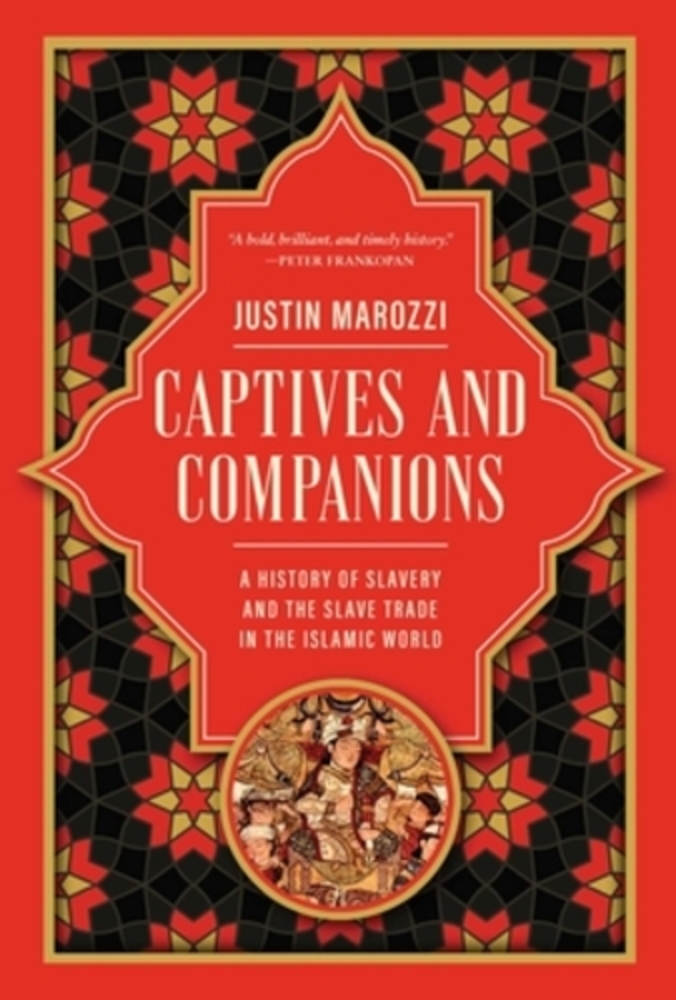
Captives And Companions: A History Of Slavery And The Slave Trade In The Islamic World-..
até
4x
de
R$ 58,10
sem juros
ou R$ 220,78
via Pix
Adicionar ao carrinho
Disponibilidade: 45 dias úteis
Estoque: 24 unidades
-
- 1x de R$ 232,40 sem juros
- 2x de R$ 116,20 sem juros
- 3x de R$ 77,46 sem juros
- 4x de R$ 58,10 sem juros
-
R$ 220,78

-
R$ 232,40


The definitive history of the slave trade in the Islamic world—a story that has been overshadowed by its notorious, but shorter-lived, Atlantic counterpart. Slavery in the Islamic world has a long, complex, and controversial history. In the earliest days of Islam, Arab Muslims enslaved men, women and children as the spoils of war. In the following centuries, young boys were imported to imperial Islamic courts in enormous numbers. Some were castrated to serve as eunuch guardians of sacred spaces, from the imperial harem of Istanbul to the Prophet’s Mosque in Medina. Others were "harvested" by the Ottomans to serve as Janissaries, the sultan’s elite infantry unit. Some even rose to the highest levels of political and military command, making a mockery of their slave status. For wom leading concubines became powerful figures in their own right. In the ninth-century Golden Age of Baghdad, the most beautiful and accomplished courtesans were among the richest, most celebrated figures of their day. In the twentieth century, more than a thousand years later, their cosmopolitan counterparts were still entertaining Ottoman sultans. Yet it was Africa which bore the brunt of the Islamic world’s insatiable demand for slave labour. Slavers plied its Mediterranean, Atlantic and Indian Ocean coasts, traders raided inland for human cargo, and millions of enslaved Africans trudged across the Sahara into captivity. Meanwhile, North African corsairs turned the Mediterranean into a slaving free-for-all between Muslims, Christians and Jews. The sheer longevity of slavery was no less surprising. Arab Muslims adapted and regulated this practice within an Islamic context. Sanctioned by the Prophet Mohammed, legitimated by the Quran and holy law, slavery endured for fifteen centuries. Abolition had few champions and came late in the day—hereditary slavery continues even today in Mali and Mauritania. Captives and Companions takes the reader on an extraordinary historical journey across deserts, continents and oceans, from Baghdad to Bamako, Tripoli to Timbuktu, Istanbul to the Black Sea, and reveals a hidden but vital chapter in our understanding of world civilization.
Marozzi, Justin
Justin Marozzi é membro do conselho da Real Sociedade Geográfica e membro e pesquisador sênior em jornalismo e história da Universidade de Buckingham. Marozzi trabalhou para o jornal Financial Times e para a revista The Economist como correspondente internacional, tendo passado boa parte da última década no Iraque, com longas temporadas no Afeganistão, em Darfur, na Líbia e na Somália. Entre seus livros, estão South from Barbary: Along the Slave Routes of the Libyan Sahara, Tamerlane: Sword of Islam, apontado pelo Sunday Telegraph como livro do ano em 2004, e The Man Who Invented History: Travels with Herodotus. |
| ISBN | 9781639369737 |
| Autor(a) | Marozzi, Justin |
| Editora | Pegasus Books |
| Ano de edição | 2025 |
| Páginas | 560 |
| Acabamento | Capa Dura |
| Dimensões | 23,10 X 15,20 |
Produtos relacionados
-
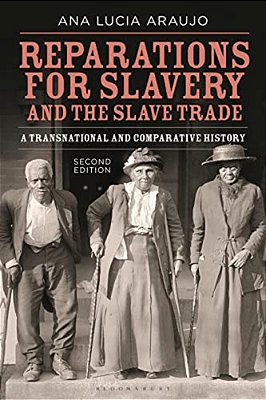 Reparations For Slavery And The Slave Trade: A Transnational And Comparative History-..
R$ 913,00R$ 730,40até 4x de R$ 182,60 sem jurosou R$ 693,88 via Pix20% Desconto -
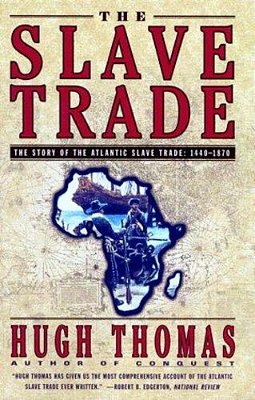 The Slave Trade-..
R$ 249,00R$ 199,20até 3x de R$ 66,40 sem jurosou R$ 189,24 via Pix20% Desconto -
 The African Slave Trade-..
R$ 182,52R$ 146,02até 2x de R$ 73,01 sem jurosou R$ 138,72 via Pix20% Desconto -
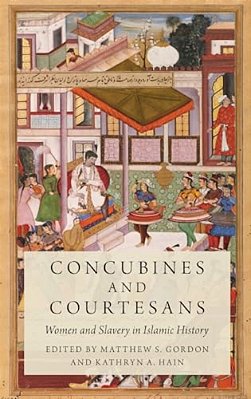 Concubines And Courtesans: Women And Slavery In Islamic History-..
R$ 1.577,00R$ 1.261,60até 4x de R$ 315,40 sem jurosou R$ 1.198,52 via Pix20% Desconto
-

Categorias
Pague com

Selos

MYRE EDITORA, COMERCIALIZADORA, IMPORTADORA E DISTRIBUIDORA LTDA - CNPJ: 50.295.718/0001-20 © Todos os direitos reservados. 2026
