


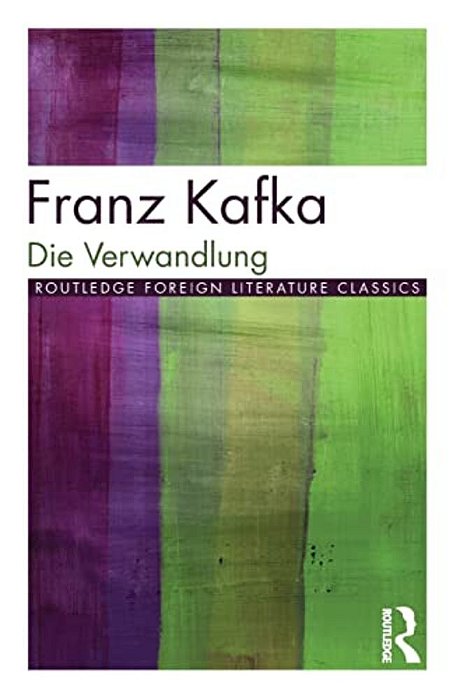
Die Verwandlung-..
até
4x
de
R$ 96,26
sem juros
ou R$ 365,81
via Pix
Adicionar ao carrinho
Disponibilidade: 60 dias úteis
Estoque: 203 unidades
-
- 1x de R$ 385,06 sem juros
- 2x de R$ 192,53 sem juros
- 3x de R$ 128,35 sem juros
- 4x de R$ 96,26 sem juros
-
R$ 365,81

-
R$ 385,06


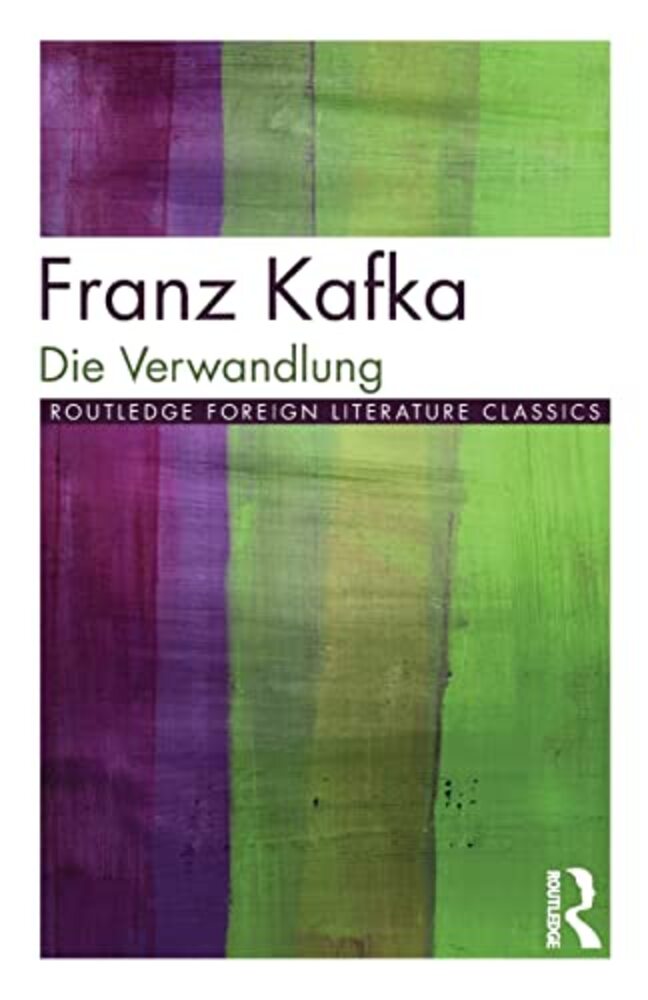
Franz Kafka is one of the most important figures in twentieth-century culture. The fascination of his work has long since reached international proportions, and the concept 'Kafkaesque' has entered the English Language as an everyday part of speech. This new edition of Kafka's famous story contains a critical introduction and notes which help to explain how the author achieves his particular effects. The editors are concerned less with what the story means then with how it blocks and baffles its reader, provoking them into an interpretation through its combination of clues and counter-clues, its questions and its uncertainties. Careful attention is therefore paid to the 'openness' of the text, to point of view, and to Kafka's use of language. The editors also consider the important biographical and cultural influences which shaped the writing of the story, and they outline some of the very different ways in which it has been interpreted --biographically, socially and psychologically. A select vocabulary, aimed at the demands of the sixth-form pupil, is also included, and the text itself is taken from the original hardback edition.
Kafka, Franz
Franz Kafka (Praga, Império Austro-Húngaro, atual República Tcheca, 3 de julho de 1883 — Klosterneuburg, República Austríaca, atual Áustria, 3 de junho de 1924) foi um escritor de língua alemã, autor de romances e contos, considerado pelos críticos como um dos escritores mais influentes do século XX. A maior parte de sua obra, como A Metamorfose, O Processo e O Castelo, está repleta de temas e arquétipos de alienação e brutalidade física e psicológica, conflito entre pais e filhos, personagens com missões aterrorizantes, labirintos burocráticos e transformações místicas. |
| ISBN | 9780415098779 |
| Autor(a) | Kafka, Franz |
| Editora | Routledge |
| Ano de edição | 1986 |
| Páginas | 126 |
| Acabamento | Brochura |
Produtos relacionados
-
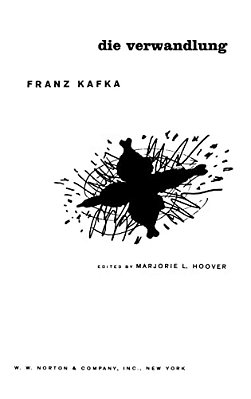 Die Verwandlung-..
R$ 215,72R$ 172,58até 3x de R$ 57,52 sem jurosou R$ 163,95 via Pix20% Desconto
-


Categorias
Pague com

Selos

MYRE EDITORA, COMERCIALIZADORA, IMPORTADORA E DISTRIBUIDORA LTDA - CNPJ: 50.295.718/0001-20 © Todos os direitos reservados. 2026
