


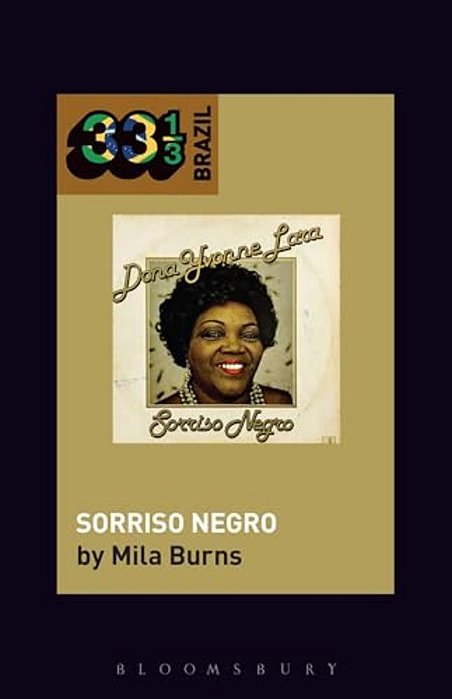
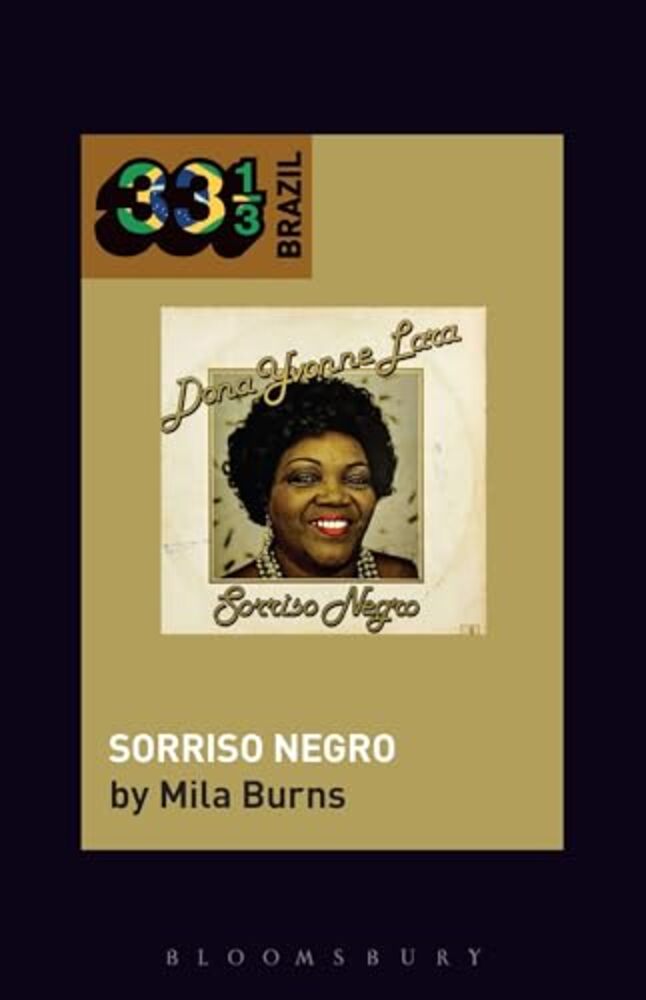
Dona Ivone Lara's Sorriso Negro-..
até
4x
de
R$ 149,40
sem juros
ou R$ 567,72
via Pix
Adicionar ao carrinho
Disponibilidade: 45 dias úteis
Estoque: 116 unidades
-
- 1x de R$ 597,60 sem juros
- 2x de R$ 298,80 sem juros
- 3x de R$ 199,20 sem juros
- 4x de R$ 149,40 sem juros
-
R$ 567,72

-
R$ 597,60


More than simply a paragon of Brazilian samba, Dona (Lady) Ivone Lara's 1981 Sorriso Negro (translated to Black Smile) is an album deeply embedded in the political and social tensions of its time. Released less than two years after the Brazilian military dictatorship approved the Lei de Anistia (the "Opening" that put Brazil on a path toward democratic governance), Sorriso Negro reflects the seminal shifts occurring within Brazilian society as former exiles introduced notions of civil rights and feminist thought to a nation under the iron hand of a military dictatorship that had been in place since 1964. By looking at one of the most important samba albums ever recorded (and one that also happened to be composed by a black woman), Mila Burns explores the pathbreaking career of Dona Ivone, tracing the ways in which she navigated the tense gender and race relations of the samba universe to ultimately conquer the masculine world of samba composers.33 1/3 Global, a series related to but independent from 33 1/3, takes the format of the original series of short, music-basedbooks and brings the focus to music throughout the world. With initial volumes focusing on Japanese and Brazilian music, the series will also include volumes on the popular music of Australia/Oceania, Europe, Africa, the Middle East, and more.
Burns, Mila
Mila Burns é professora no Departamento de Estudos Latino-Americanos e Latinos no Lehman College (City University of New York). Em 2017 concluiu seu doutorado em História no The Graduate Center (CUNY). Também possui mestrado em Estudos Latino-Americanos (Columbia University, 2012) e em Antropologia Social (Universidade Federal do Rio de Janeiro, 2006). Mila é professora universitária de perfil interdisciplinar, com ênfase em mídia, antropologia e história. Há duas décadas atua como jornalista no Brasil e em Nova York. Atualmente, Mila Burns é editora chefe e âncora do Globo Notícia Américas, telejornal dedicado à comunidade latina expatriada exibida na TV Globo Internacional. |
| ISBN | 9781501324482 |
| Autor(a) | Burns, Mila |
| Editora | Continnuum-3PL |
| Ano de edição | 2019 |
| Páginas | 184 |
| Acabamento | Capa Dura |
| Dimensões | 20,30 X 12,70 |
Produtos relacionados




Categorias
Pague com

Selos

MYRE EDITORA, COMERCIALIZADORA, IMPORTADORA E DISTRIBUIDORA LTDA - CNPJ: 50.295.718/0001-20 © Todos os direitos reservados. 2026
