


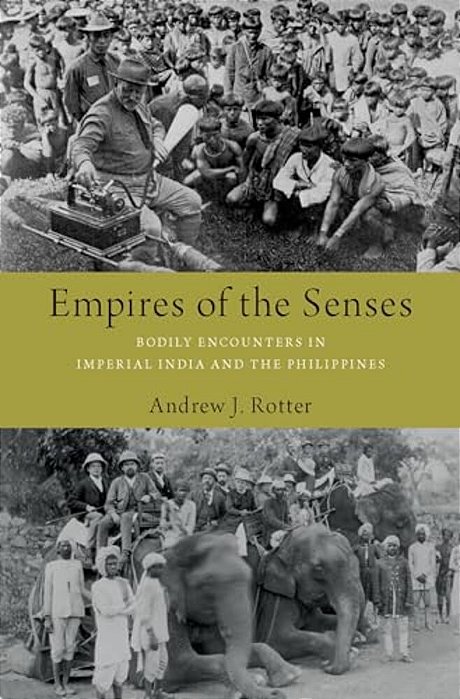
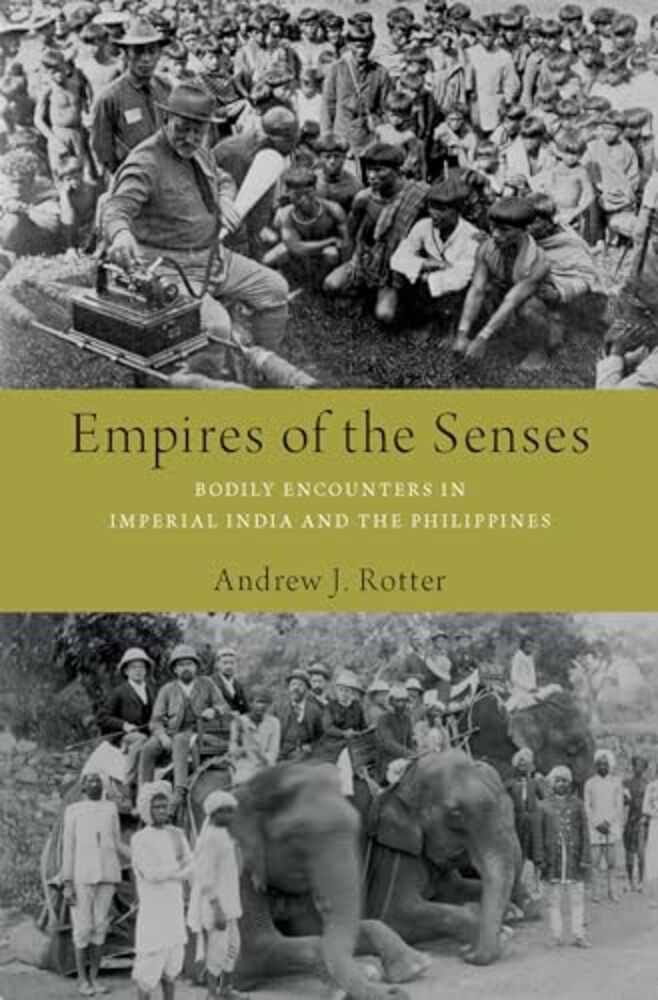
Empires Of The Senses: Bodily Encounters In Imperial India And The Philippines-..
até
4x
de
R$ 102,92
sem juros
ou R$ 391,10
via Pix
Adicionar ao carrinho
Disponibilidade: 45 dias úteis
Estoque: 121 unidades
-
- 1x de R$ 411,68 sem juros
- 2x de R$ 205,84 sem juros
- 3x de R$ 137,22 sem juros
- 4x de R$ 102,92 sem juros
-
R$ 391,10

-
R$ 411,68


When encountering unfamiliar environments in India and the Philippines, the British and the Americans wrote extensively about the first taste of mango and meat spiced with cumin, the smell of excrement and coconut oil, the feel of humidity and rough cloth against skin, the sound of bells and insects, and the appearance of dark-skinned natives and lepers. So too did the colonial subjects they encountered perceive the agents of empire through their senses and their skins. Empire of course involved economics, geopolitics, violence, a desire for order and greatness, a craving for excitement and adventure. It also involved an encounter between authorities and subjects, an everyday process of social interaction, political negotiation, policing, schooling, and healing. While these all concerned what people thought about each other, perceptions of others, as Andrew Rotter shows, were also formed through seeing, hearing, touching, smelling, and tasting. In this book, Rotter offers a sensory history of the British in India from the formal imposition of their rule to its end (1857-1947) and the Americans in the Philippines from annexation to independence (1898-1946). The British and the Americans saw themselves as the civilizers of what they judged backward societies, and they believed that a vital part of the civilizing process was to properly prioritize the senses and to ensure them against offense or affront. Societies that looked shabby, were noisy and smelly, felt wrong, and consumed unwholesome food in unmannerly ways were unfit for self-government. It was the duty of allegedly more sensorily advanced Anglo-Americans to educate them before formally withdrawing their power. Indians and Filipinos had different ideas of what constituted sensory civilization and to some extent resisted imperial efforts to impose their own versions. What eventually emerged were compromises between these nations' sensory regimes. A fascinating and original comparative work, Empires of the Senses offers new perspectives on imperial history.
| ISBN | 9780190924706 |
| Autor(a) | Rotter, Andrew J. |
| Editora | Oxford University Press, USA |
| Ano de edição | 2019 |
| Páginas | 388 |
| Acabamento | Capa Dura |
| Dimensões | 23,90 X 15,80 |
Produtos relacionados
-
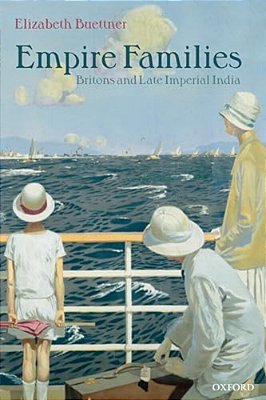 Empire Families: Britons And Late Imperial India-..
R$ 564,40R$ 451,52até 4x de R$ 112,88 sem jurosou R$ 428,94 via Pix20% Desconto -
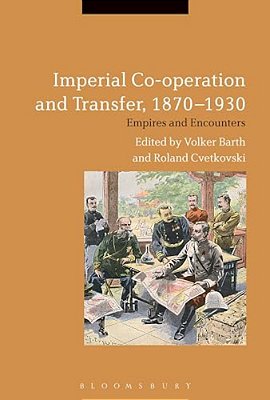 Imperial Co-Operation And Transfer, 1870-1930: Empires And Encounters-..
R$ 1.577,00R$ 1.261,60até 4x de R$ 315,40 sem jurosou R$ 1.198,52 via Pix20% Desconto -
 Imperial Co-Operation And Transfer, 1870-1930: Empires And Encounters-..
R$ 373,09R$ 298,47até 4x de R$ 74,61 sem jurosou R$ 283,55 via Pix20% Desconto -
 Human Being, Bodily Being: Phenomenology From Classical India-..
R$ 913,00R$ 730,40até 4x de R$ 182,60 sem jurosou R$ 693,88 via Pix20% Desconto
-

Categorias
Pague com

Selos

MYRE EDITORA, COMERCIALIZADORA, IMPORTADORA E DISTRIBUIDORA LTDA - CNPJ: 50.295.718/0001-20 © Todos os direitos reservados. 2026
