



Epistemology For The Rest Of The World-..
até
4x
de
R$ 240,70
sem juros
ou R$ 914,66
via Pix
Adicionar ao carrinho
Disponibilidade: 45 dias úteis
Estoque: 237 unidades
-
- 1x de R$ 962,80 sem juros
- 2x de R$ 481,40 sem juros
- 3x de R$ 320,93 sem juros
- 4x de R$ 240,70 sem juros
-
R$ 914,66

-
R$ 962,80


Since the heyday of ordinary language philosophy, Anglophone epistemologists have devoted a great deal of attention to the English word 'know' and to English sentences used to attribute knowledge. Even today, many epistemologists, including contextualists and subject-sensitive invariantists are concerned with the truth conditions of "S knows that p," or the proposition it expresses. In all of this literature, the method of cases is used, where a situation is described in English, and then philosophers judge whether it is true that S knows that p, or whether saying "S knows that p" is false, deviant, etc. in that situation. However, English is just one of over 6000 languages spoken around the world, and is the native language of less than 6% of the world's population. When Western epistemology first emerged, in ancient Greece, English did not even exist. So why should we think that facts about the English word "know," the concept it expresses, or subtle semantic properties of "S knows that p" have important implications for epistemology? Are the properties of the English word "know" and the English sentence 'S knows that p' shared by their translations in most or all languages? If that turned out to be true, it would be a remarkable fact that cries out for an explanation. But if it turned out to be false, what are the implications for epistemology? Should epistemologists study knowledge attributions in languages other than English with the same diligence they have shown for the study of English knowledge attributions? If not, why not? In what ways do the concepts expressed by 'know' and its counterparts in different languages differ? And what should epistemologists make of all this? The papers collected here discuss these questions and related issues, and aim to contribute to this important topic and epistemology in general.
| ISBN | 9780190865085 |
| Autor(a) | Stich, Stephen |
| Editora | Oxford Univ Pr |
| Ano de edição | 2018 |
| Páginas | 320 |
| Acabamento | Capa Dura |
| Dimensões | 23,90 X 16,00 |
Produtos relacionados
-
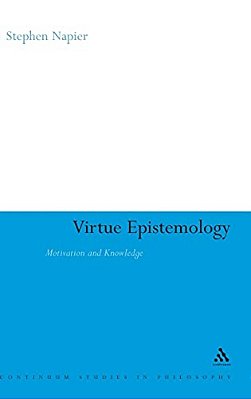 Virtue Epistemology-..
R$ 1.826,00R$ 1.460,80até 4x de R$ 365,20 sem jurosou R$ 1.387,76 via Pix20% Desconto -
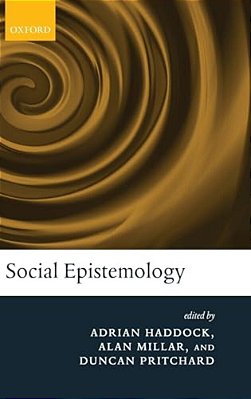 Social Epistemology-..
R$ 1.245,00R$ 996,00até 4x de R$ 249,00 sem jurosou R$ 946,20 via Pix20% Desconto -
 Applied Epistemology-..
R$ 1.245,00R$ 996,00até 4x de R$ 249,00 sem jurosou R$ 946,20 via Pix20% Desconto -
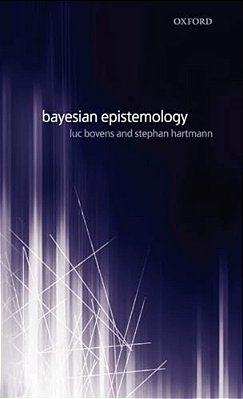 Bayesian Epistemology-..
R$ 1.203,50R$ 962,80até 4x de R$ 240,70 sem jurosou R$ 914,66 via Pix20% Desconto
-

Categorias
Pague com

Selos


MYRE EDITORA, COMERCIALIZADORA, IMPORTADORA E DISTRIBUIDORA LTDA - CNPJ: 50.295.718/0001-20 © Todos os direitos reservados. 2026
