


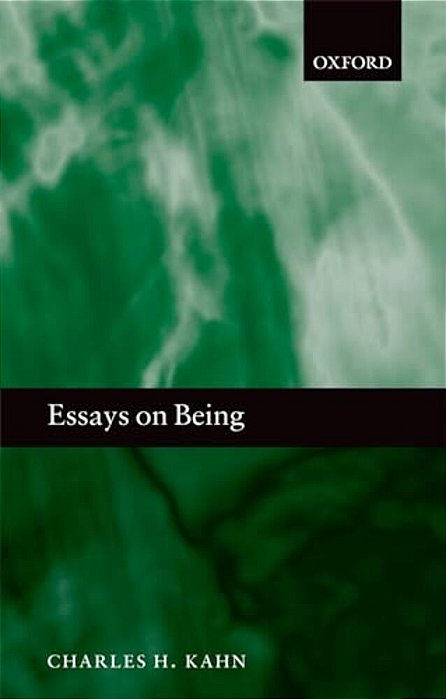
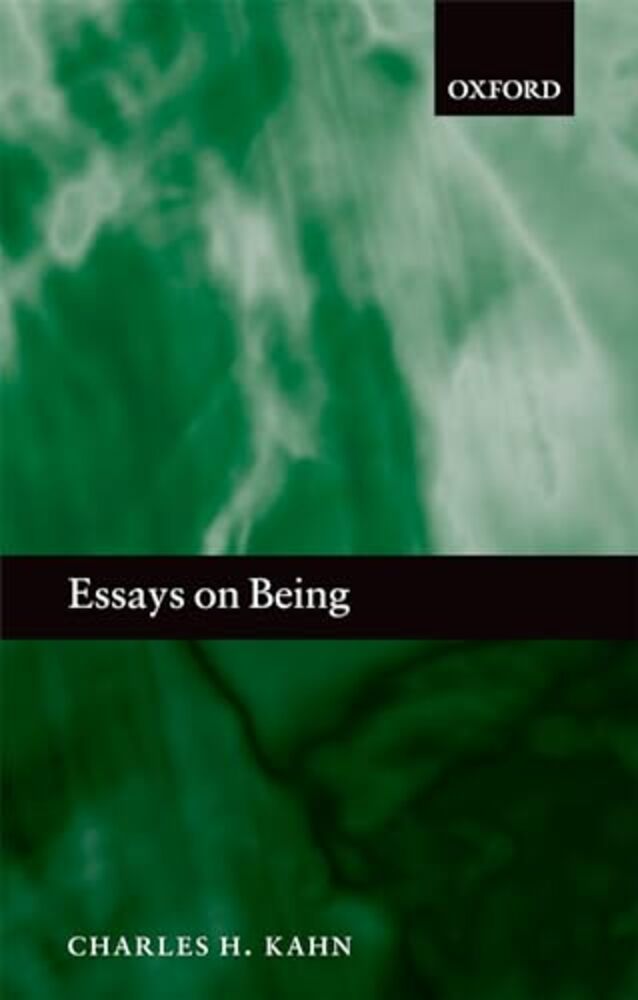
Essays On Being-..
até
4x
de
R$ 97,94
sem juros
ou R$ 372,17
via Pix
Adicionar ao carrinho
Disponibilidade: 45 dias úteis
Estoque: 143 unidades
-
- 1x de R$ 391,76 sem juros
- 2x de R$ 195,88 sem juros
- 3x de R$ 130,58 sem juros
- 4x de R$ 97,94 sem juros
-
R$ 372,17

-
R$ 391,76


This volume presents a series of essays published by Charles Kahn over a period of forty years, in which he seeks to explicate the ancient Greek concept of Being. He addresses two distinct but intimately related problems, one linguistic and one historical and philosophical. The linguistic problem concerns the theory of the Greek verb einai, 'to be': how to replace the conventional but misleading distinction between copula and existential verb with a more adequate theoretical account. The philosophical problem is in principle quite distinct: to understand how the concept of Being became the central topic in Greek philosophy from Parmenides to Aristotle. But these two problems converge on what Kahn calls the veridical use of einai. In the earlier papers he takes that connection between the verb and the concept of truth to be the key to the central role of Being in Greek philosophy. In the later papers he interprets the veridical in terms of a more general semantic function of the verb, which comprises the notions of existence and instantiation as well as truth.
Kahn, Charles H.
Charles H. Kahn é professor emérito de filosofia na Universidade da Pensilvânia. Suas publicações incluem: Anaximander and the Origins of Greek Cosmology (1994); The Art and Thought of Heraclitus: A New Arrangement and Translation of the Fragments with Literary and Philosophical Commentary (1979); Plato and the Socraic Dialogue: The Philosophical Use of a Literary Form (1997); Pythagoras and the Pythagoreans: A Brief History (2001). |
| ISBN | 9780199654352 |
| Autor(a) | Kahn, Charles H. |
| Editora | Oup Oxford |
| Ano de edição | 2012 |
| Páginas | 294 |
| Acabamento | Brochura |
| Dimensões | 23,40 X 15,80 |
Produtos relacionados
-
 Essays On Being-..
R$ 996,00R$ 796,80até 4x de R$ 199,20 sem jurosou R$ 756,96 via Pix20% Desconto -
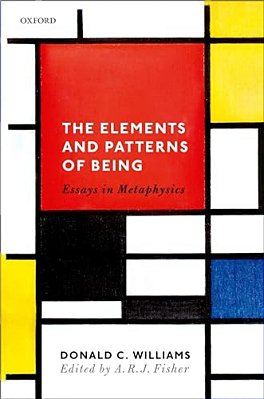 Elements And Patterns Of Being: Essays In Metaphysics-..
R$ 871,50R$ 697,20até 4x de R$ 174,30 sem jurosou R$ 662,34 via Pix20% Desconto -
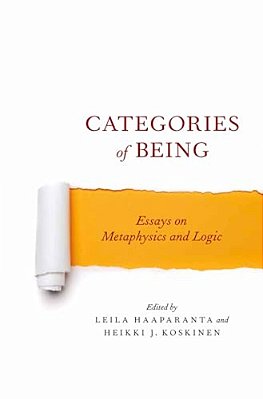 Categories Of Being: Essays On Metaphysics And Logic-..
R$ 1.245,00R$ 996,00até 4x de R$ 249,00 sem jurosou R$ 946,20 via Pix20% Desconto
-

Categorias
Pague com

Selos

MYRE EDITORA, COMERCIALIZADORA, IMPORTADORA E DISTRIBUIDORA LTDA - CNPJ: 50.295.718/0001-20 © Todos os direitos reservados. 2026
