


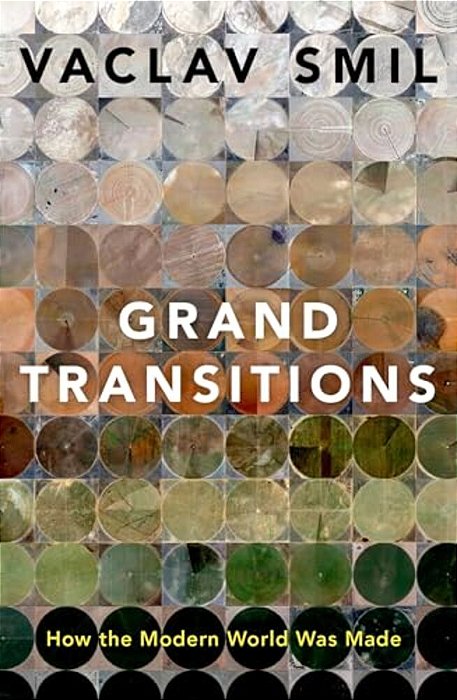
Grand Transitions: How The Modern World Was Made-..
até
2x
de
R$ 73,01
sem juros
ou R$ 138,72
via Pix
Adicionar ao carrinho
Disponibilidade: 45 dias úteis
Estoque: 117 unidades
-
- 1x de R$ 146,02 sem juros
- 2x de R$ 73,01 sem juros
-
R$ 138,72

-
R$ 146,02


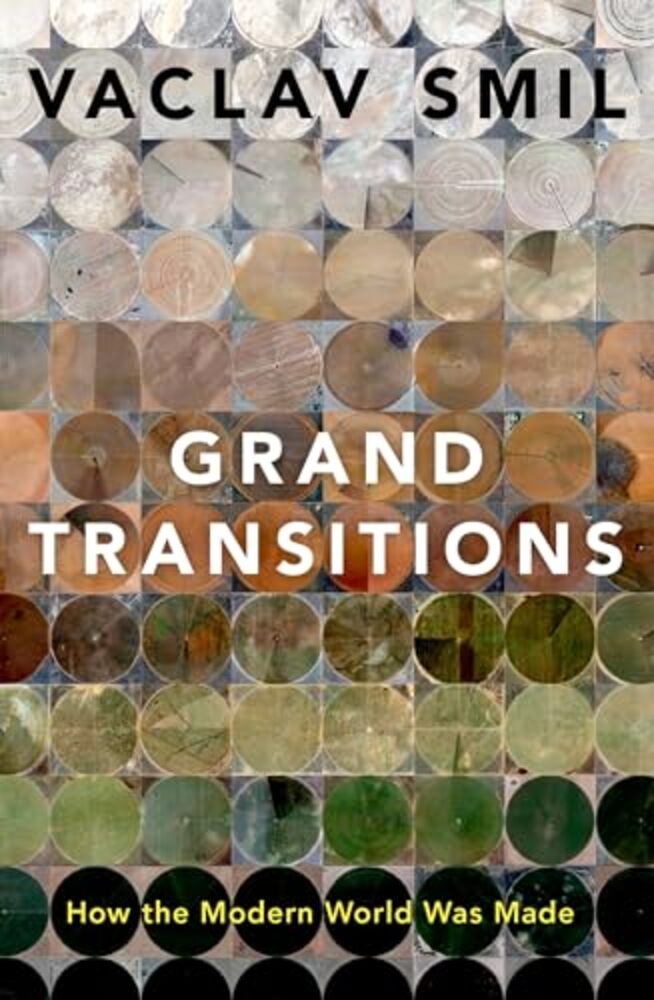
From one of the world's leading experts on the history of energy, a rigorous examination of the transitions that structure our modern world--and the environmental reckoning that will mark its success or failure. What makes the modern world work? The answer to this deceptively simple question lies in four "grand transitions" of civilization--in populations, agriculture, energy, and economics--which have transformed the way we live. Societies that have undergone all four transitions emerge into an era of radically different population dynamics, food surpluses (and waste), abundant energy use, and expanding economic opportunities. Simultaneously, in other parts of the world, hundreds of millions remain largely untouched by these developments. Through erudite storytelling, Vaclav Smil investigates the fascinating and complex interactions of these transitions. He argues that the moral imperative to share modernity's benefits has become more acute with increasing economic inequality, but addressing this imbalance would make it exceedingly difficult to implement the changes necessary for the long-term preservation of the environment. Thus, managing the fifth transition--environmental changes from natural-resource depletion, biodiversity loss, and global warming--will determine the success or eventual failure of the grand transitions that have made the world we live in today.
Smil, Vaclav
Vaclav Smil é professor emérito na Universidade de Manitoba e membro da Royal Society do Canadá. É autor de Os números não mentem, publicado pela Intrínseca, e de mais de quarenta livros, que abordam desde renovação energética até produção de alimentos, passando por inovações tecnológicas, mudanças populacionais e ambientais, avaliações de risco e políticas públicas. |
| ISBN | 9780197696750 |
| Autor(a) | Smil, Vaclav |
| Editora | Oxford University Press, USA |
| Ano de edição | 2023 |
| Páginas | 376 |
| Acabamento | Brochura |
| Dimensões | 23,60 X 15,70 |
Produtos relacionados
-
 How This Book Was Made-..
R$ 157,62R$ 126,10até 2x de R$ 63,05 sem jurosou R$ 119,80 via Pix20% Desconto



Categorias
Pague com

Selos

MYRE EDITORA, COMERCIALIZADORA, IMPORTADORA E DISTRIBUIDORA LTDA - CNPJ: 50.295.718/0001-20 © Todos os direitos reservados. 2026
