


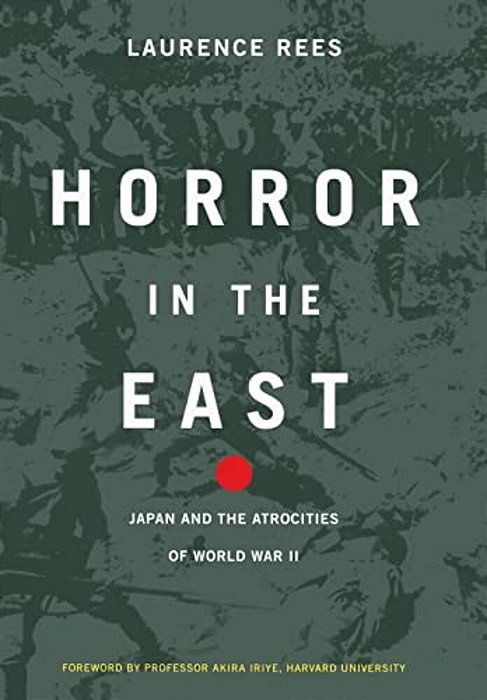
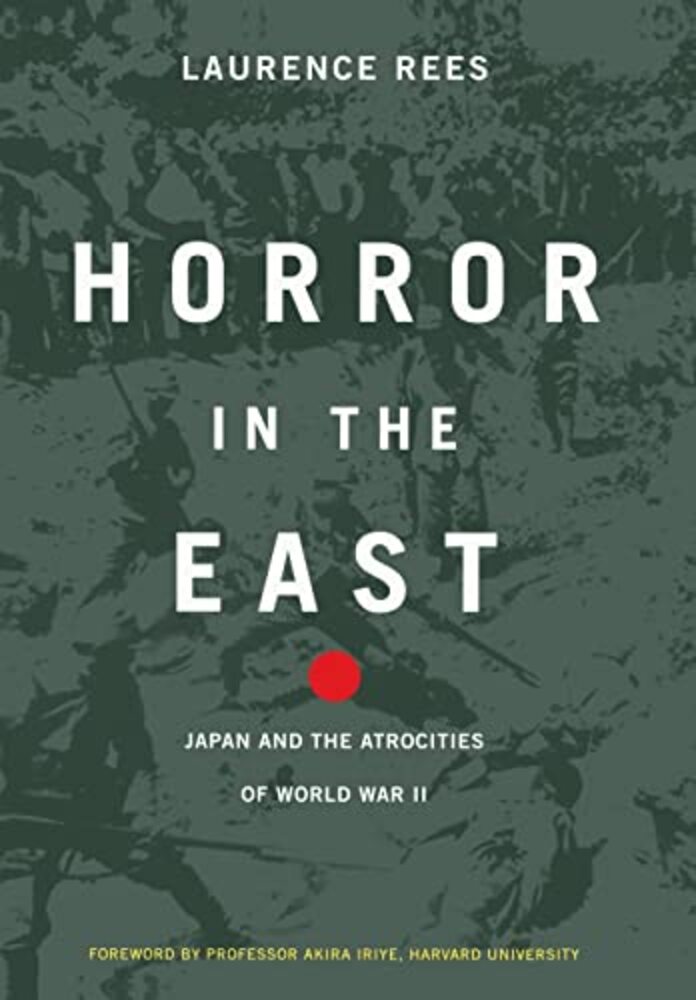
Horror In The East: Japan And The Atrocities Of World War 2-..
até
4x
de
R$ 54,78
sem juros
ou R$ 208,16
via Pix
Adicionar ao carrinho
Disponibilidade: 45 dias úteis
Estoque: 265 unidades
-
- 1x de R$ 219,12 sem juros
- 2x de R$ 109,56 sem juros
- 3x de R$ 73,04 sem juros
- 4x de R$ 54,78 sem juros
-
R$ 208,16

-
R$ 219,12


The question is as searing as it is fundamental to the continuing debate over Japanese culpability in World War II and the period leading up to it: "How could Japanese soldiers have committed such acts of violence against Allied prisoners of war and Chinese civilians?" During the First World War, the Japanese fought on the side of the Allies and treated German POWs with respect and civility. In the years that followed, under Emperor Hirohito, conformity was the norm and the Japanese psyche became one of selfless devotion to country and emperor; soon Japanese soldiers were to engage in mass murder, rape, and even cannibalization of their enemies. Horror in the East examines how this drastic change came about. On the basis of never-before-published interviews with both the victimizers and the victimized, and drawing on never-before-revealed or long-ignored archival records, Rees discloses the full horror of the war in the Pacific, probing the supposed Japanese belief in their own racial superiority, analyzing a military that believed suicide to be more honorable than surrender, and providing what the Guardian calls "a powerful, harrowing account of appalling inhumanity...impeccably researched."
Rees, Laurence
O britânico Laurence Rees é historiador, documentarista e autor premiado de livros que tratam das
atrocidades cometidas pelos nazistas, durante a Segunda Guerra Mundial. O autor ganhou o British
Book Award de Livro de História do Ano em 2006 pelo best-seller Auschwitz: The Nazis and the 'Final
Solution' (Crítica, 2005). Ex-diretor de programas sobre História na BBC, suas produções são usadas
como material didático nas escolas do Reino Unido. |
| ISBN | 9780306811784 |
| Autor(a) | Rees, Laurence |
| Editora | Da Capo Press |
| Ano de edição | 2002 |
| Páginas | 184 |
| Acabamento | Capa Dura |
Produtos relacionados
-
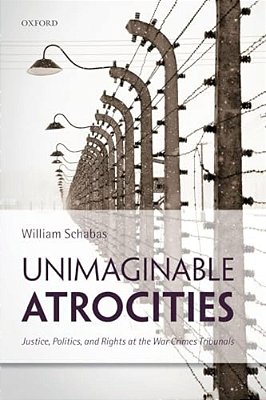 Unimaginable Atrocities: Justice, Politics, And Rights At The War Crimes Tribunals-..
R$ 489,70R$ 391,76até 4x de R$ 97,94 sem jurosou R$ 372,17 via Pix20% Desconto -
 Unimaginable Atrocities: Justice, Politics, And Rights At The War Crimes Tribunals-..
R$ 1.079,00R$ 863,20até 4x de R$ 215,80 sem jurosou R$ 820,04 via Pix20% Desconto -
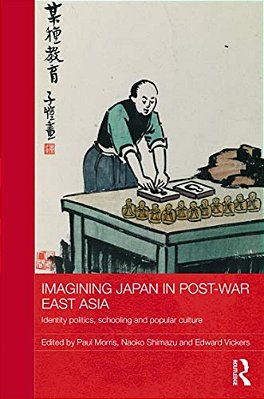 Imagining Japan In Post-War East Asia: Identity Politics, Schooling And Popular Culture-..
R$ 1.950,50R$ 1.560,40até 4x de R$ 390,10 sem jurosou R$ 1.482,38 via Pix20% Desconto

Categorias
Pague com

Selos

MYRE EDITORA, COMERCIALIZADORA, IMPORTADORA E DISTRIBUIDORA LTDA - CNPJ: 50.295.718/0001-20 © Todos os direitos reservados. 2026
