


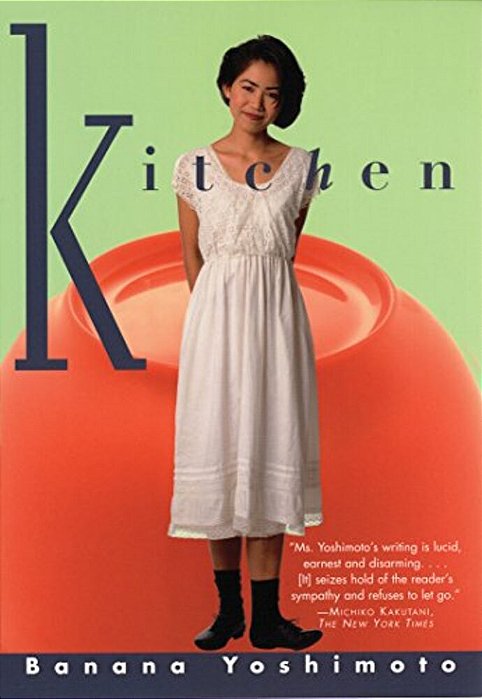
Kitchen-..
até
2x
de
R$ 56,44
sem juros
ou R$ 107,24
via Pix
Adicionar ao carrinho
Disponibilidade: 45 dias úteis
Estoque: 19 unidades
-
- 1x de R$ 112,88 sem juros
- 2x de R$ 56,44 sem juros
-
R$ 107,24

-
R$ 112,88


"Ms. Yoshimoto's writing is lucid, earnest and disarming. . . . [It] seizes hold of the reader's sympathy and refuses to let go." --Michiko Kakutani, The New York TimesAn orphan finds comfort in the kitchen, and in her chosen family, in this classic of contemporary Japanese literatureWith the publication of Kitchen, the dazzling English-language debut that is still her best-loved book, the literary world realized that Yoshimoto was a young writer of enduring talent whose work has quickly earned a place among the best of contemporary Japanese literature. Kitchen is an enchantingly original book that juxtaposes two tales about mothers, love, tragedy, and the power of the kitchen and home in the lives of a pair of free-spirited young women in contemporary Japan. Mikage, the heroine, is an orphan raised by her grandmother, who has passed away. Grieving, Mikage is taken in by her friend Yoichi and his mother (who is really his cross-dressing father) Eriko. As the three of them form an improvised family that soon weathers its own tragic losses, Yoshimoto spins a lovely, evocative tale with the kitchen and the comforts of home at its heart.In a whimsical style that recalls the early Marguerite Duras, "Kitchen" and its companion story, "Moonlight Shadow," are elegant tales whose seeming simplicity is the ruse of a very special writer whose voice echoes in the mind and the soul.
Yoshimoto, Banana
Banana Yoshimoto, cujo nome de batismo é Mahoko Yoshimoto, nasceu em Tóquio, em 24 de julho de 1964, filha do poeta e militante de esquerda Takaaki Yoshimoto (1924-2012). Formada em literatura pela Universidade Nihon, foi muito bem recebida pela crítica por sua obra de estreia, Kitchen, publicada em 1988, quando ainda era estudante universitária. Kitchen lhe rendeu o prêmio literário Izumi Kyoka. Tendo começado a escrever de forma bastante precoce, aos cinco anos de idade, ela adotou o pseudônimo “Banana” pelo apreço que tem por flores de bananeira. Seus livros já foram traduzidos para mais de vinte idiomas. O tema da morte e a preferência por protagonistas mulheres são algumas das marcas mais evidentes na escrita da autora, cujos personagens nunca caem nos lugares-comuns: ao contrário, são sempre excêntricos. |
| ISBN | 9780802142443 |
| Autor(a) | Yoshimoto, Banana |
| Editora | Grove |
| Ano de edição | 2006 |
| Páginas | 160 |
| Acabamento | Brochura |
Produtos relacionados
-
 Kitchen Daughter-..
R$ 165,92R$ 132,74até 2x de R$ 66,37 sem jurosou R$ 126,10 via Pix20% Desconto




Categorias
Pague com

Selos

MYRE EDITORA, COMERCIALIZADORA, IMPORTADORA E DISTRIBUIDORA LTDA - CNPJ: 50.295.718/0001-20 © Todos os direitos reservados. 2026
