


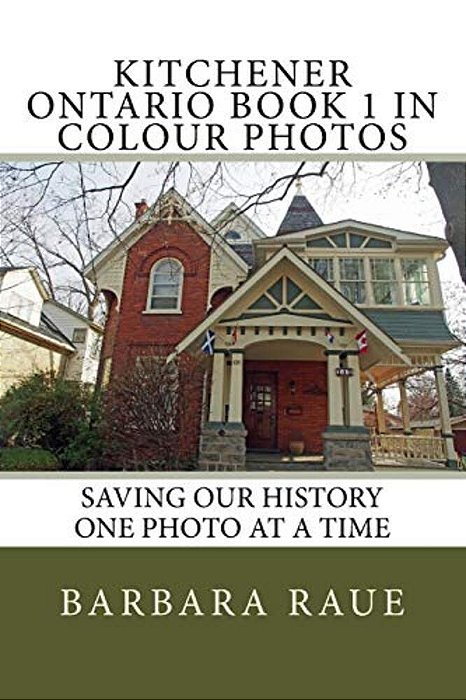
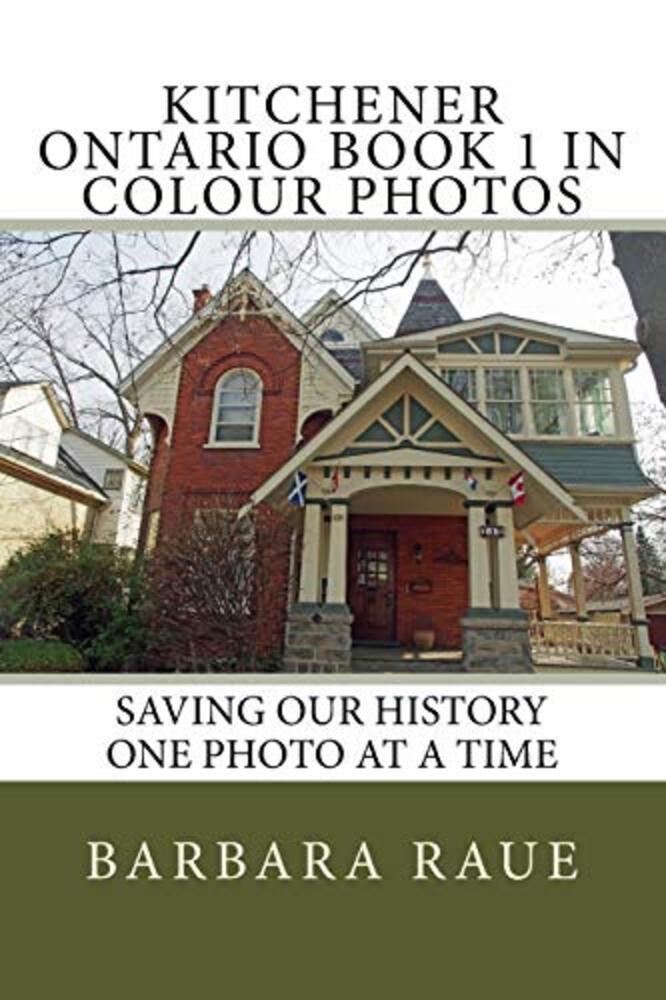
Kitchener Ontario Book 1 In Colour Photos: Saving Our History One Photo At A Time-..
Adicionar ao carrinho
Disponibilidade: 45 dias úteis
Estoque: 127 unidades
-
R$ 75,64

-
R$ 79,62

-
R$ 79,62

Kitchener is located in Southwestern Ontario in the Grand River Valley. The settlement's first name, Sand Hills, is an accurate description of the higher points of the Waterloo Moraine which snakes its way through the region and holds a significant quantity of artesian wells from which the city derives most of its drinking water.In 1784, the land that Kitchener was built upon was an area of 240,000 hectares of land given to the Six Nations by the British as a gift for their allegiance during the American Revolution. The Six Nations sold 38,000 hectares of this land to Loyalist Colonel Richard Beasley, land that was remote but of great interest to German Mennonite farming families from Pennsylvania. They wanted to live in an area that would allow them to practice their beliefs without persecution. The Mennonites purchased all of Beasley's unsold land creating 160 farm tracts. By 1800, the first buildings were built, and over the next decade several families made the difficult trip north to Sand Hills. One of these Mennonite families, arriving in 1807, was the Schneiders, whose restored 1816 home (the oldest building in the city) is now a museum located in the heart of Kitchener.Much of the land, made up of moraines and swampland interspersed with rivers and streams was converted to farmland and roads. Apple trees were introduced to the region by John Eby in the 1830s, and several grist and sawmills were erected throughout the area. Schneider built the town's first road from his home to the corner of King Street and Queen Street (then known as Walper corner), $1000 was raised by the settlers to extend the road from Walper corner to Huether corner, where the Huether Brewery was built and the Huether Hotel now stands. In 1833 the town was renamed Berlin. The extension of the Grand Trunk Railway from Sarnia to Toronto and through Berlin in July 1856 was a major boon to the community helping to improve industrialization in the area. Through the latter half of the 19th century and into the first decade of the 20th, the City of Berlin was a bustling industrial centre celebrating its German heritage. When World War I started, that heritage became the focus of considerable enmity from non-German residents, and resulted in the name being changed to Kitchener.On September 17, 1981 the first-ever "blue box" recycling program in the world was launched in Kitchener. Today over 90% of Ontario households have access to recycling programs.Kitchener's economic heritage is rooted in manufacturing. While the local economy's reliance on manufacturing has decreased in recent years, more than 20% of the labour force remains employed in the manufacturing sector.
| ISBN | 9781495485350 |
| Autor(a) | Raue, Barbara |
| Editora | Createspace |
| Ano de edição | 2014 |
| Páginas | 58 |
| Acabamento | Brochura |
| Dimensões | 22,90 X 15,20 |
Produtos relacionados
-
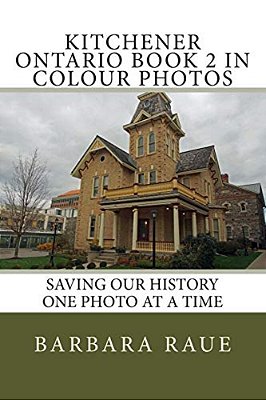 Kitchener Ontario Book 2 In Colour Photos: Saving Our History One Photo At A Time-..ou R$ 88,26 via Pix
R$ 116,12R$ 92,9020% Desconto -
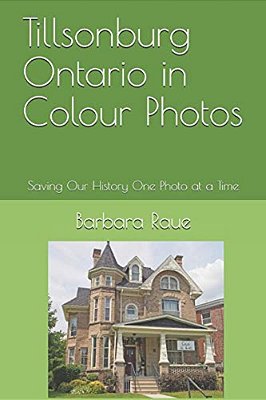 Tillsonburg Ontario In Colour Photos: Saving Our History One Photo At A Time-..ou R$ 81,95 via Pix
R$ 107,82R$ 86,2620% Desconto -
 Essex Ontario In Colour Photos: Saving Our History One Photo At A Time-..ou R$ 86,99 via Pix
R$ 114,46R$ 91,5720% Desconto -
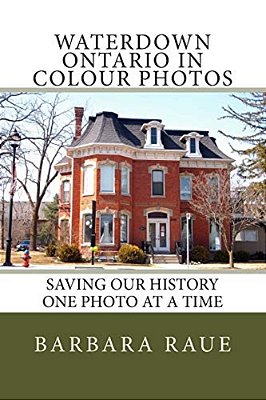 Waterdown Ontario In Colour Photos: Saving Our History One Photo At A Time-..ou R$ 94,56 via Pix
R$ 124,42R$ 99,5420% Desconto
-

Categorias
Pague com

Selos

MYRE EDITORA, COMERCIALIZADORA, IMPORTADORA E DISTRIBUIDORA LTDA - CNPJ: 50.295.718/0001-20 © Todos os direitos reservados. 2026
