


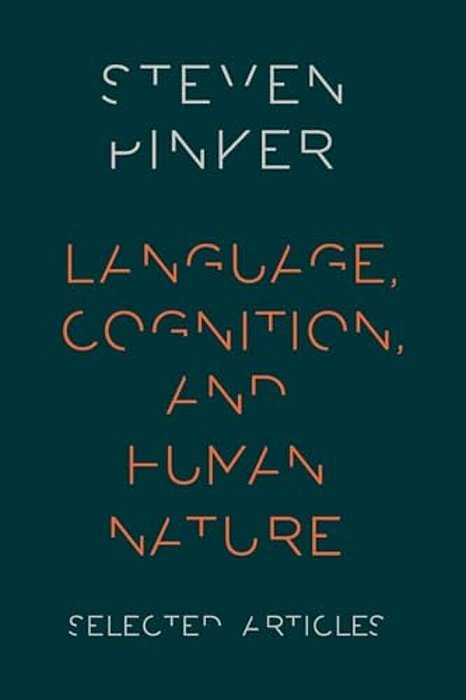
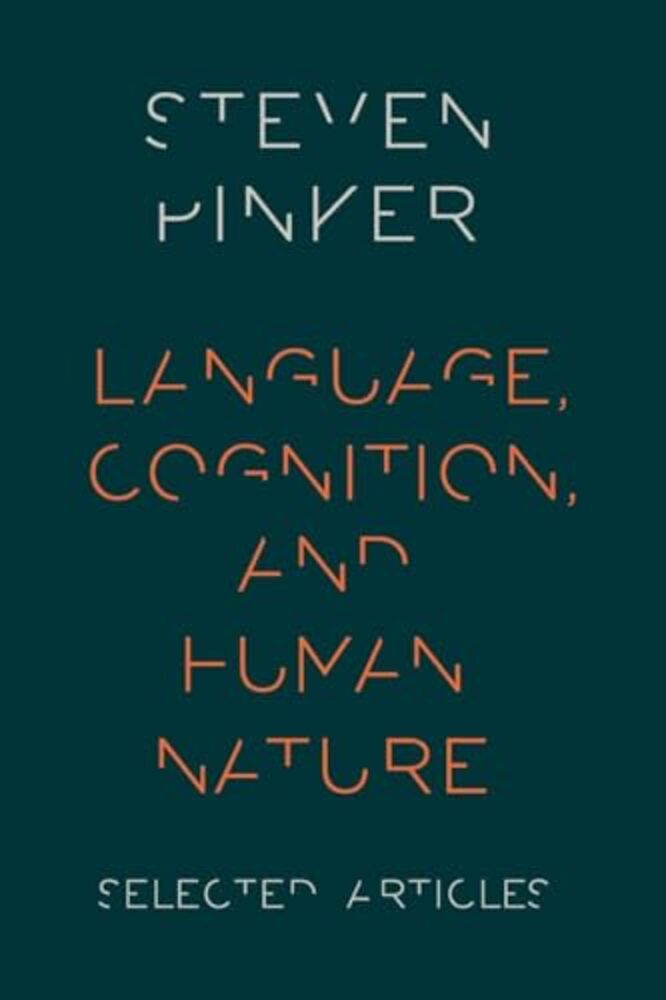
Language, Cognition, And Human Nature-..
até
3x
de
R$ 64,16
sem juros
ou R$ 182,88
via Pix
Adicionar ao carrinho
Disponibilidade: 45 dias úteis
Estoque: 160 unidades
-
- 1x de R$ 192,50 sem juros
- 2x de R$ 96,25 sem juros
- 3x de R$ 64,16 sem juros
-
R$ 182,88

-
R$ 192,50


Language, Cognition, and Human Nature collects together for the first time much of Steven Pinker's most influential scholarly work on language and cognition. Pinker's seminal research explores the workings of language and its connections to cognition, perception, social relationships, child development, human evolution, and theories of human nature. This eclectic collection spans Pinker's thirty-year career, exploring his favorite themes in greater depth and scientific detail. It includes thirteen of Pinker's classic articles, ranging over topics such as language development in children, mental imagery, the recognition of shapes, the computational architecture of the mind, the meaning and uses of verbs, the evolution of language and cognition, the nature-nurture debate, and the logic of innuendo and euphemism. Each outlines a major theory or takes up an argument with another prominent scholar, such as Stephen Jay Gould, Noam Chomsky, or Richard Dawkins. Featuring a new introduction by Pinker that discusses his books and scholarly work, this collection reflects essential contributions to cognitive science by one of our leading thinkers and public intellectuals.
Pinker, Steven
Steven Pinker é psicólogo e professor do Departamento de Psicologia da Universidade de Harvard. Também foi professor em Stanford e no MIT. Autor de uma dezena de livros, escreve também para diversas publicações, como The New York Times e Time. Estuda linguagem e cognição e por suas pesquisas recebeu vários prêmios acadêmicos, além de já ter sido considerado uma das 100 pessoas mais influentes no mundo pela revista Time. É autor do livro "Guia de Escrita", publicado pela Contexto. |
| ISBN | 9780190259280 |
| Autor(a) | Pinker, Steven |
| Editora | Oxford University Press - USA |
| Ano de edição | 2015 |
| Páginas | 400 |
| Acabamento | Brochura |
| Dimensões | 23,10 X 15,50 |
Produtos relacionados
-
 Language, Cognition, And Human Nature: Selected Articles-..
R$ 522,90R$ 418,32até 4x de R$ 104,58 sem jurosou R$ 397,40 via Pix20% Desconto -
 Language & Human Nature-..
R$ 639,02R$ 511,22até 4x de R$ 127,80 sem jurosou R$ 485,66 via Pix20% Desconto -
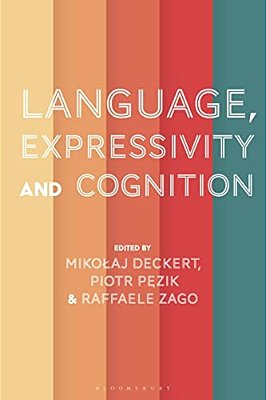 Language, Expressivity And Cognition-..
R$ 339,89R$ 271,91até 4x de R$ 67,97 sem jurosou R$ 258,31 via Pix20% Desconto -
 Language, Expressivity And Cognition-..
R$ 1.120,50R$ 896,40até 4x de R$ 224,10 sem jurosou R$ 851,58 via Pix20% Desconto
-

Categorias
Pague com

Selos

MYRE EDITORA, COMERCIALIZADORA, IMPORTADORA E DISTRIBUIDORA LTDA - CNPJ: 50.295.718/0001-20 © Todos os direitos reservados. 2026
