


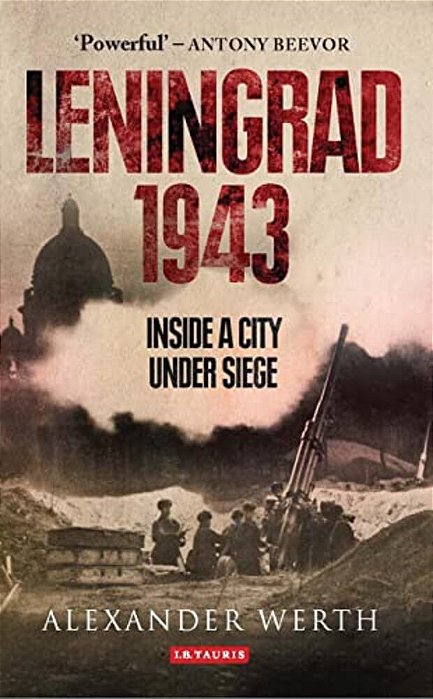
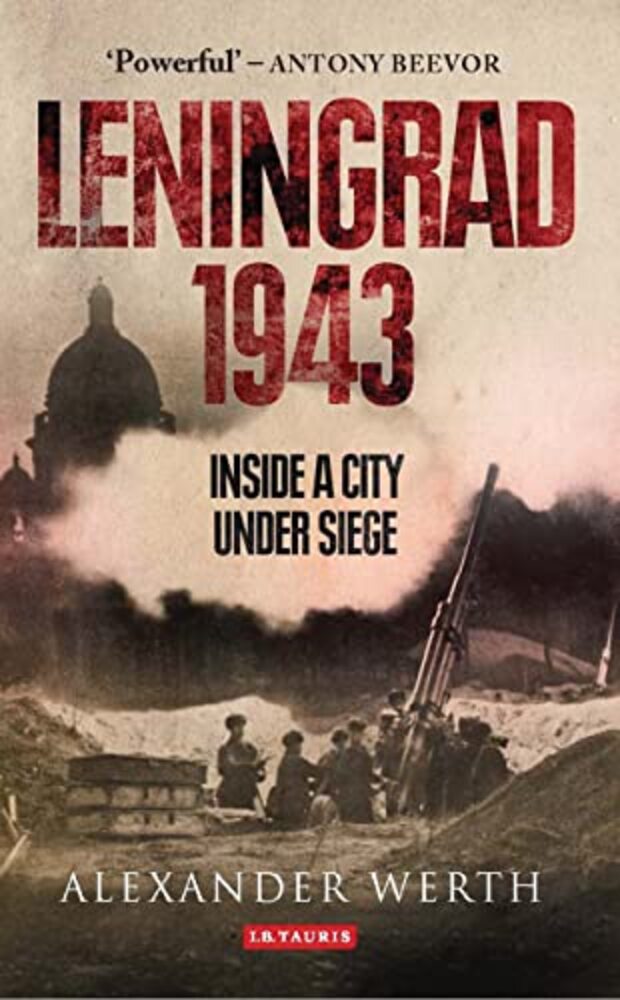
Leningrad 1943: Inside A City Under Siege-..
até
3x
de
R$ 50,79
sem juros
ou R$ 144,77
via Pix
Adicionar ao carrinho
Disponibilidade: 45 dias úteis
Estoque: 222 unidades
-
- 1x de R$ 152,39 sem juros
- 2x de R$ 76,19 sem juros
- 3x de R$ 50,79 sem juros
-
R$ 144,77

-
R$ 152,39


The Siege of Leningrad is the most powerful testimony to the immeasurable cruelty and horror of World War II. From 1941-1945, the Eastern Front was the site of some of the bloodiest atrocities of the war and the city of Leningrad, now St. Petersburg, proved to be a decisive point in the conflict. German policy was resolutely determined to redraw the map of Europe, annihilate the Soviet Union and give large areas of territory to Finland. Through Hitler's ambition to completely eradicate the city and its entire population, it was decided that the most efficient method of invasion was to encircle and bombard the city into submission. After 872 days of aggression, one and a half million people lost their lives, mostly from starvation. As the sole British correspondent to have been in Leningrad during the blockade, Alexander Werth's eyewitness account presents a harrowing perspective on the savagery and destruction wrought by the Nazis against the civilian population of the city.His writing evokes compelling images of terror - the oil bombing of children's hospitals, mass starvation and cannibalism - with rich and sophisticated commentary on the internal politics of Soviet party chiefs, soldiers and civilian resistance fighters. Both an authoritative historical document and a journalistic re-telling of the overwhelming sadness, grief and futility of 20th century warfare, this is an invaluable look at one of the greatest losses of human life in recorded history.
Werth, Alexander
Alexander Werth nasceu em 1901, em São Petersburgo. Foge com a família para a Grã-Bretanha às vésperas da Revolução Russa e se instala em Glasgow, onde cursa os estudos superiores e se forma em Jornalismo. Contratado pelo Manchester Guardian, vai para Paris como correspondente nos anos 1930. Durante a Segunda Guerra Mundial, assume como correspondente da BBC e do Sunday Times e embarca no avião que leva a Moscou os membros da missão militar britânica. Werth permanecerá na URSS até maio de 1948, retornando à Grã-Bretanha apenas por alguns meses, de outubro de 1941 a maio de 1942. Autor de diversos livros, faleceu em 1969. Seu filho, Nicolas Werth, historiador especializado na União Soviética, fez as notas comentadas e o posfácio da obra. Pela Contexto é autor do livro "Stalingrado: 1942 - o início do fim da Alemanha nazista". |
| ISBN | 9781350197053 |
| Autor(a) | Werth, Alexander |
| Editora | Bloomsbury Publishing Plc |
| Ano de edição | 2020 |
| Páginas | 256 |
| Acabamento | Brochura |
| Dimensões | 21,60 X 14,00 |
Produtos relacionados
-
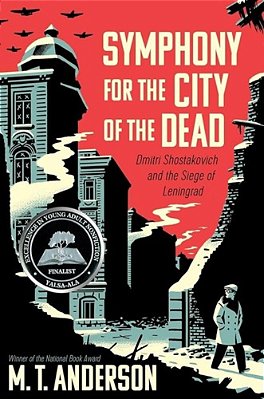 Symphony For The City Of The Dead: Dmitri Shostakovich And The Siege Of Leningrad-..R$ 215,72até 4x de R$ 53,93 sem jurosou R$ 204,93 via Pix
 -
 Symphony For The City Of The Dead: Dmitri Shostakovich And The Siege Of Leningrad-..
R$ 165,92R$ 132,74até 2x de R$ 66,37 sem jurosou R$ 126,10 via Pix20% Desconto


Categorias
Pague com

Selos

MYRE EDITORA, COMERCIALIZADORA, IMPORTADORA E DISTRIBUIDORA LTDA - CNPJ: 50.295.718/0001-20 © Todos os direitos reservados. 2026
