


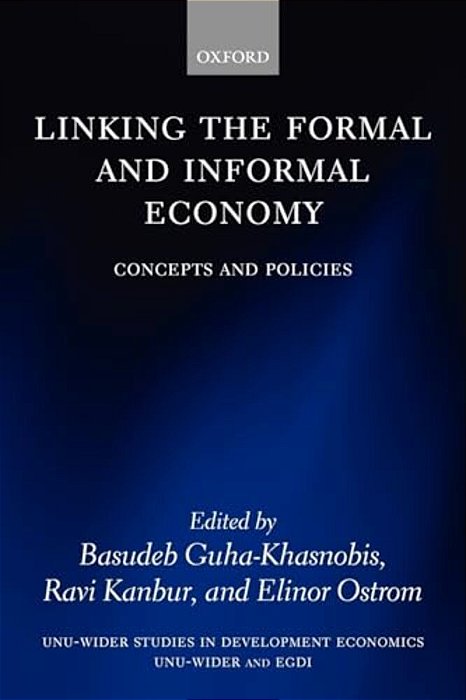
Linking The Formal And Informal Economy: Concepts And Policies-..
até
4x
de
R$ 127,82
sem juros
ou R$ 485,72
via Pix
Adicionar ao carrinho
Disponibilidade: 45 dias úteis
Estoque: 250 unidades
-
- 1x de R$ 511,28 sem juros
- 2x de R$ 255,64 sem juros
- 3x de R$ 170,42 sem juros
- 4x de R$ 127,82 sem juros
-
R$ 485,72

-
R$ 511,28


The concepts of formal and informal remain central to the theory and practice of development more than half a century after they were introduced into the debate. They help structure the way that statistical services collect data on the economies of developing countries, the development of theoretical and empirical analysis, and, most important, the formulation and implementation of policy. This volume brings together a significant new collection of studies on formality and informality in developing countries. The volume is multidisciplinary in nature, with contributions from anthropologists, economists, sociologists, and political scientists. It contains contributions from among the very best analysts in development studies. Between them the chapters argue for moving beyond the formal-informal dichotomy. Useful as it has proven to be, a more nuanced approach is needed in light of conceptual and empirical advances, and in light of the policy failures brought about by a characterization of the 'informal' as 'disorganized'. The wealth of empirical information in these studies, and in the literature more widely, can be used to develop guiding principles for intervention that are based on ground level reality.
Kanbur, Ravi
Ravi Kanbur: economista e professor na Cornell University. Atuou na equipe sênior do Banco Mundial, inclusive como economista-chefe para a África. É presidente da Associação de Desenvolvimento Humano e Capacidades, presidente do Conselho da Universidade das Nações Unidas – Instituto Mundial para Pesquisa Econômica de Desenvolvimento; membro do Grupo de Especialistas de Alto Nível da Ocde (Organização para Cooperação e Desenvolvimento Econômico) em Medição de Desempenho Econômico; ex-presidente da Sociedade para o Estudo da Desigualdade Econômica; ex-membro do Conselho Consultivo de Alto Nível do Diálogo sobre Justiça Climática; ex-membro do Grupo Central da Comissão sobre Pobreza Global. |
| ISBN | 9780199237296 |
| Autor(a) | Kanbur, Ravi |
| Editora | Oup Oxford |
| Ano de edição | 2007 |
| Páginas | 312 |
| Acabamento | Brochura |
Produtos relacionados
-
 Linking The Formal And Informal Economy: Concepts And Policies-..
R$ 1.743,00R$ 1.394,40até 4x de R$ 348,60 sem jurosou R$ 1.324,68 via Pix20% Desconto -
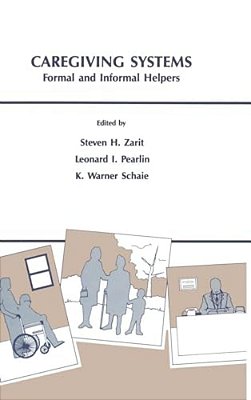 Caregiving Systems: Informal And Formal Helpers-..
R$ 1.942,12R$ 1.553,70até 4x de R$ 388,42 sem jurosou R$ 1.476,02 via Pix20% Desconto -
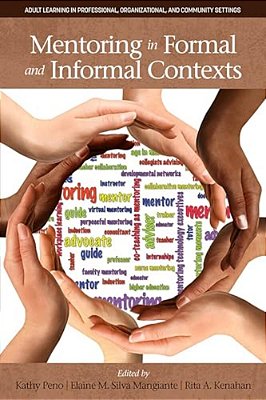 Mentoring In Formal And Informal Contexts-..
R$ 556,10R$ 444,88até 4x de R$ 111,22 sem jurosou R$ 422,64 via Pix20% Desconto -
 Intersections Of Formal And Informal Science-..
R$ 1.950,50R$ 1.560,40até 4x de R$ 390,10 sem jurosou R$ 1.482,38 via Pix20% Desconto
-

Categorias
Pague com

Selos

MYRE EDITORA, COMERCIALIZADORA, IMPORTADORA E DISTRIBUIDORA LTDA - CNPJ: 50.295.718/0001-20 © Todos os direitos reservados. 2026
