


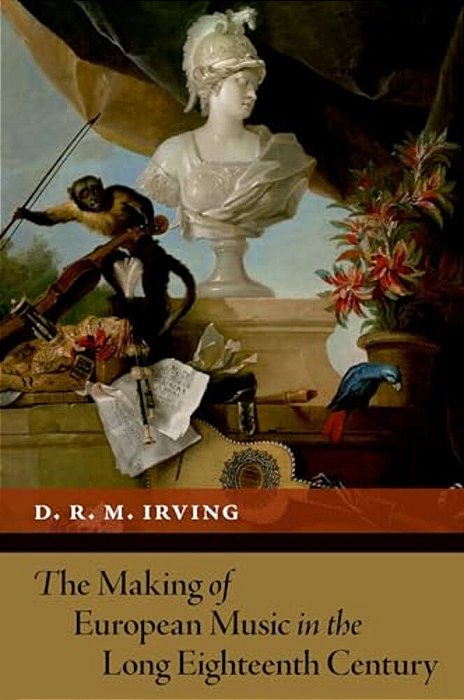
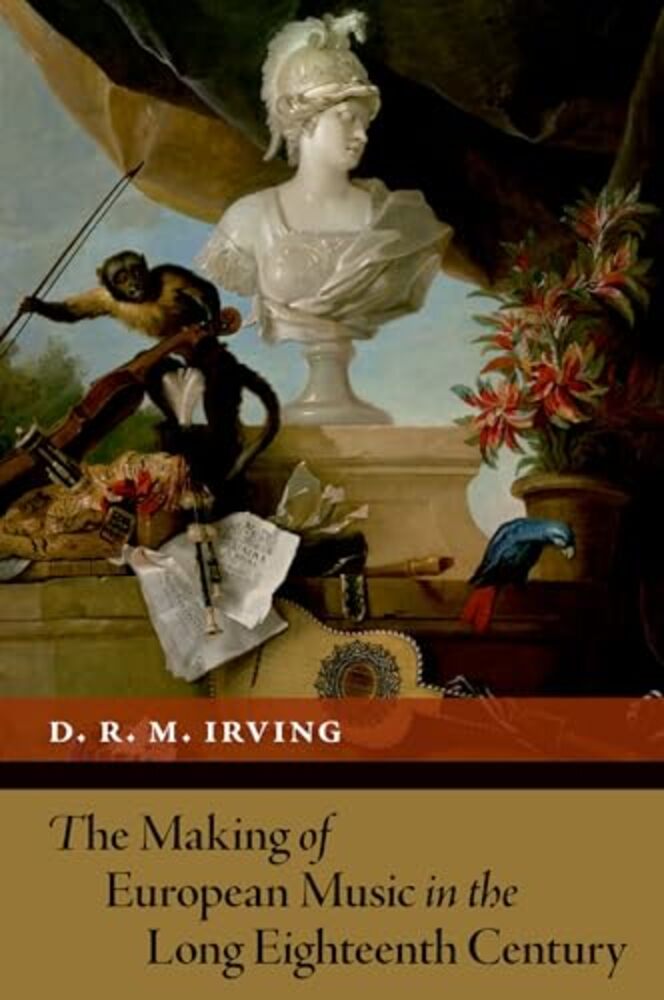
Making Of European Music In The Long Eighteenth Century-..
até
4x
de
R$ 146,08
sem juros
ou R$ 555,10
via Pix
Adicionar ao carrinho
Disponibilidade: 45 dias úteis
Estoque: 124 unidades
-
- 1x de R$ 584,32 sem juros
- 2x de R$ 292,16 sem juros
- 3x de R$ 194,77 sem juros
- 4x de R$ 146,08 sem juros
-
R$ 555,10

-
R$ 584,32


Musical representations of Europe in myth and allegory are well known, but when and under what circumstances did the words "European" and "music" become linked together? What did the resulting term mean in music before 1800 and how did it evolve into the label "Western music," which features so prominently in pedagogical and scholarly discourses? In The Making of European Music in the Long Eighteenth Century, author D. R. M. Irving traces the emergence of such large-scale categories in Western European thought. Beginning in the 1670s, Jesuit missionaries in China began to refer to "European music," and for the next hundred years the term appeared almost exclusively in comparison with musics from other parts of the world. It entered common use from the 1770s, and in the 1830s became synonymous with a new concept of "Western music." Western European writers also associated these terms with notions of "progress" and "perfection." Meanwhile, changing ideas about "modern" Europe's cultural relationship with classical antiquity, together with theories that systematically and condescendingly racialized people from other continents, influenced the ways that these scholars imagined and interpreted musical pasts around the globe. Irving weaves his analyses throughout the book's historical examinations, suggesting that "European music" originates from self-fashioning in contexts of intercultural comparison outside the continent, rather than from the resolution of national aesthetic differences within it. He shows that "Western music" as understood today arose in line with the growth of Orientalism and increasing awareness of musics of "the East." All such reductive terms often imply homogeneity and essentialism, and Irving asks what a reassessment of their beginnings might mean for music history. Taken as a whole, the book shows how a renewed critique of primary sources can help dismantle historiographical constructs that arose within narratives of musical pasts involving Europe.
| ISBN | 9780197632185 |
| Autor(a) | Irving, D. R. M. |
| Editora | Oxford University Press, USA |
| Ano de edição | 2024 |
| Páginas | 352 |
| Acabamento | Capa Dura |
| Dimensões | 23,10 X 16,50 |
Produtos relacionados
-
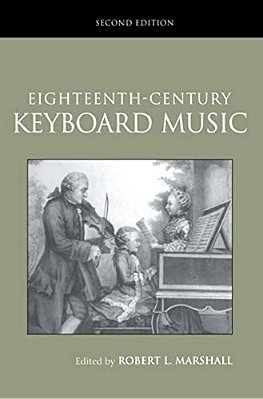 Eighteenth-Century Keyboard Music-..
R$ 2.324,00R$ 1.859,20até 4x de R$ 464,80 sem jurosou R$ 1.766,24 via Pix20% Desconto -
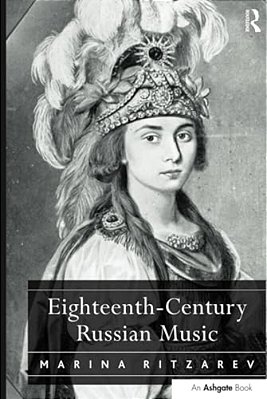 Eighteenth-Century Russian Music-..
R$ 1.942,12R$ 1.553,70até 4x de R$ 388,42 sem jurosou R$ 1.476,02 via Pix20% Desconto -
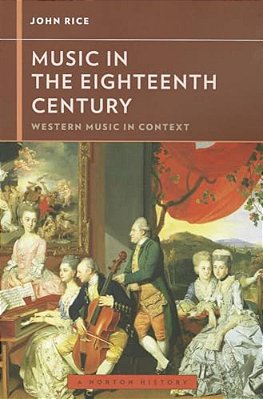 Music In The Eighteenth Century-..
R$ 510,45R$ 408,36até 4x de R$ 102,09 sem jurosou R$ 387,94 via Pix20% Desconto -
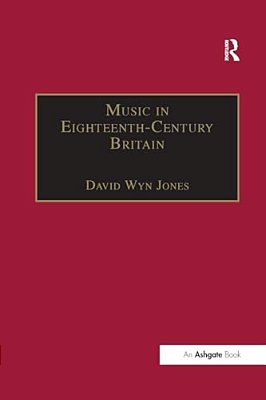 Music In Eighteenth-Century Britain-..
R$ 647,32R$ 517,86até 4x de R$ 129,46 sem jurosou R$ 491,97 via Pix20% Desconto
-

Categorias
Pague com

Selos

MYRE EDITORA, COMERCIALIZADORA, IMPORTADORA E DISTRIBUIDORA LTDA - CNPJ: 50.295.718/0001-20 © Todos os direitos reservados. 2026
