


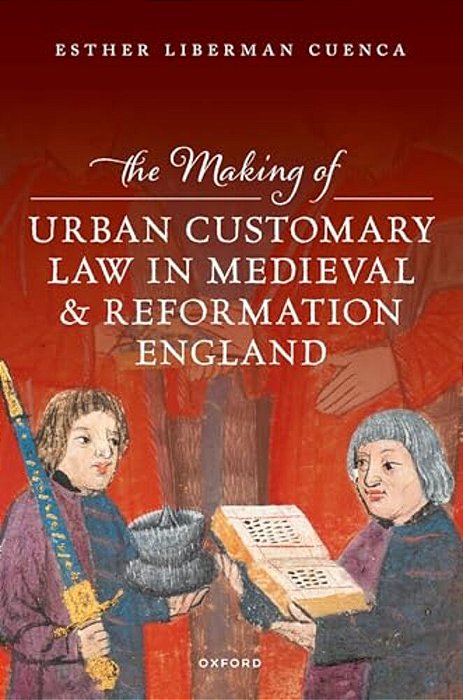
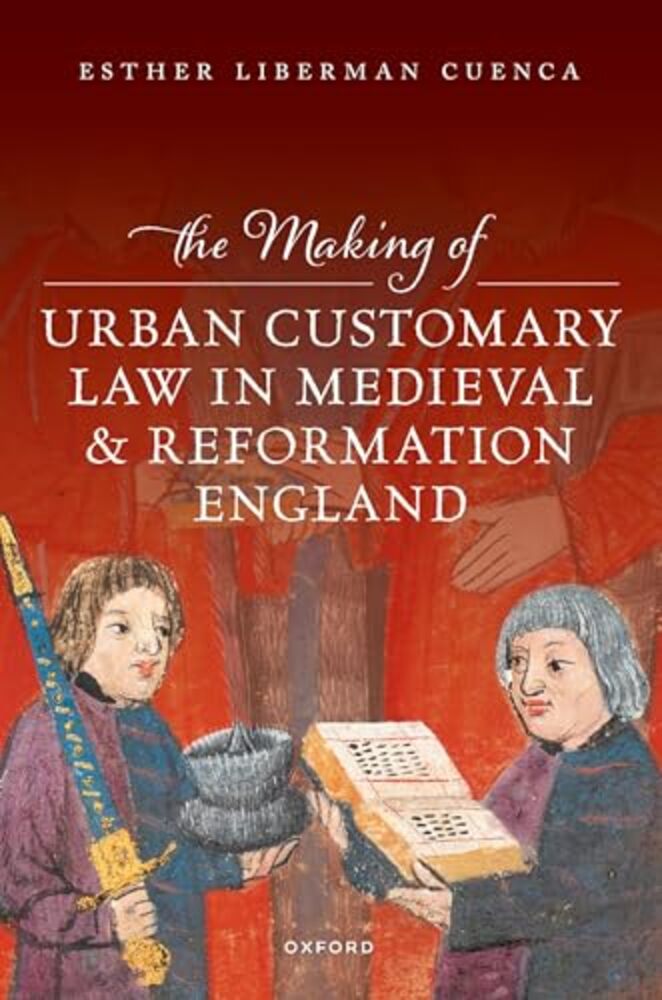
Making Of Urban Customary Law In Medieval And Reformation England-..
até
4x
de
R$ 224,10
sem juros
ou R$ 851,58
via Pix
Adicionar ao carrinho
Disponibilidade: 45 dias úteis
Estoque: 136 unidades
-
- 1x de R$ 896,40 sem juros
- 2x de R$ 448,20 sem juros
- 3x de R$ 298,80 sem juros
- 4x de R$ 224,10 sem juros
-
R$ 851,58

-
R$ 896,40


Drawing on a quantitative analysis of hundreds of printed and archival sources from 77 towns, The Making of Urban Customary Law in Medieval England is the first cross-regional investigation into the history of urban customs since Mary Bateson's seminal, two-volume work Borough Customs (1904-1906). In contrast to English common law and church law, which both had long institutional and academic traditions devoted to training men in their legal philosophies, customary law constituted local practices that acquired the force of law over time. Urban customary law regulated political officeholding, trade, property holding, and even moral behaviour in English towns. The Making of Urban Customary Law argues that urban customs, which governed the lives of people in English towns, were crucial to the development of a distinct, bourgeois identity in England-an evolution that this new study tracks from the early twelfth to the late sixteenth centuries. In the years following the Black Death, and especially during the Reformation period, this law became more concerned with defining political authority, maintaining morality, and articulating a consensus about the "common good" for townspeople. This book makes two principal claims: First, customary law advanced the business interests of an urban oligarchy. These were urban (male) elites who drafted laws and obtained privileges to enhance their wealth and assert their political independence from local lords, and often made claims about the legitimacy of their privileges or laws by rooted them in history or some kind of ancestral past. These lawmakers also made considerable efforts to establish their identities as morally upright and even-handed patriarchs. In so doing, urban customary law played a central role in the development of a distinct bourgeois identity in medieval and Reformation England. Second, this law lent particular meanings to the "common good" in towns, as it helped these lawmakers articulate policies that cohered to their vision of an ideal civic community.
| ISBN | 9780198916772 |
| Autor(a) | Cuenca, Esther Liberman |
| Editora | Oxford University Press (UK) |
| Ano de edição | 2025 |
| Páginas | 288 |
| Acabamento | Capa Dura |
| Dimensões | 23,10 X 16,50 |
Produtos relacionados
-
 Identification Of Customary International Law-..
R$ 1.660,00R$ 1.328,00até 4x de R$ 332,00 sem jurosou R$ 1.261,60 via Pix20% Desconto -
 Customary Law In Hungary: Courts, Texts, And The Tripartitum-..
R$ 1.245,00R$ 996,00até 4x de R$ 249,00 sem jurosou R$ 946,20 via Pix20% Desconto -
 Reformation England 1480-1642-..
R$ 954,50R$ 763,60até 4x de R$ 190,90 sem jurosou R$ 725,42 via Pix20% Desconto -
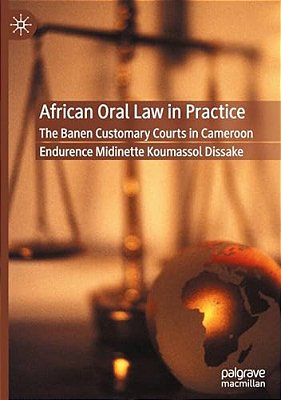 African Oral Law In Practice: The Banen Customary Courts In Cameroon-..
R$ 373,42R$ 298,74até 4x de R$ 74,68 sem jurosou R$ 283,80 via Pix20% Desconto
-

Categorias
Pague com

Selos

MYRE EDITORA, COMERCIALIZADORA, IMPORTADORA E DISTRIBUIDORA LTDA - CNPJ: 50.295.718/0001-20 © Todos os direitos reservados. 2026
