


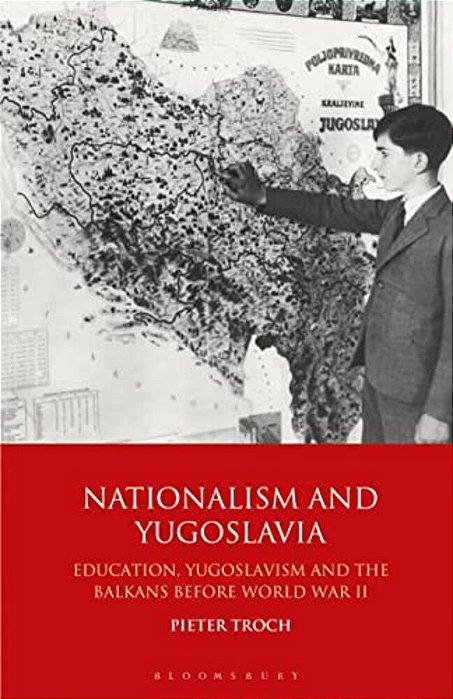
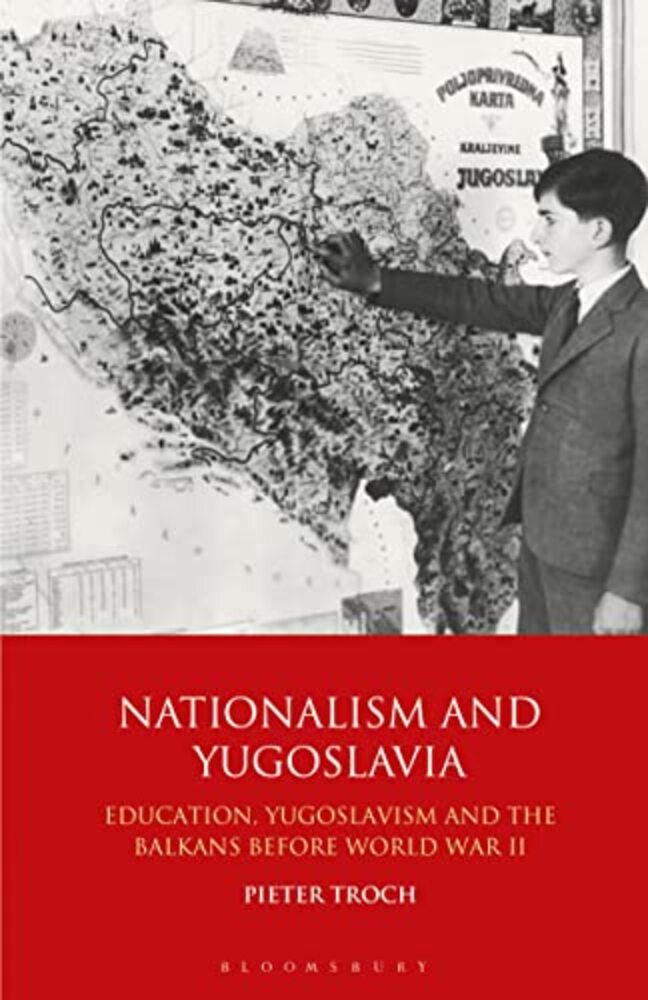
Nationalism And Yugoslavia: Education, Yugoslavism And The Balkans Before World War II-..
até
4x
de
R$ 77,93
sem juros
ou R$ 296,16
via Pix
Adicionar ao carrinho
Disponibilidade: 45 dias úteis
Estoque: 121 unidades
-
- 1x de R$ 311,75 sem juros
- 2x de R$ 155,87 sem juros
- 3x de R$ 103,91 sem juros
- 4x de R$ 77,93 sem juros
-
R$ 296,16

-
R$ 311,75


Created after World War I, 'Yugoslavia' was a combination of ethnically, religiously, and linguistically diverse but connected South Slav peoples - Slovenes, Croats and Serbs but also Bosnian Muslims, Macedonians, and Montenegrins - in addition to non-Slav minorities. The Great Powers and the country's intellectual and political elites believed that a coherent identity could be formed in which the different South Slav groups in the state could identify with a single Balkan Yugoslav identity. Pieter Troch draws on previously unpublished sources from the domain of education to show how the state's nationalities policy initially allowed for a flexible and inclusive Yugoslav nationhood, and how that system was slowly replaced with a more domineering and rigid 'top-down' nationalism during the dictatorship of King Alexander I - who banned political parties and coded a strongly politicised Yugoslav national identity. As Yugoslav society became increasingly split between the 'pro-Yugoslav' central regime and 'anti-Yugoslav' opposition, the seeds were sown for the failure of the Yugoslav idea.Nationalism and Yugoslavia provides a valuable new insight into the complexities of pre-war Yugoslavia.
| ISBN | 9781350153998 |
| Autor(a) | Troch, Pieter |
| Editora | Bloomsbury Publishing Plc |
| Ano de edição | 2020 |
| Páginas | 328 |
| Acabamento | Brochura |
| Dimensões | 21,60 X 14,00 |
Produtos relacionados
-
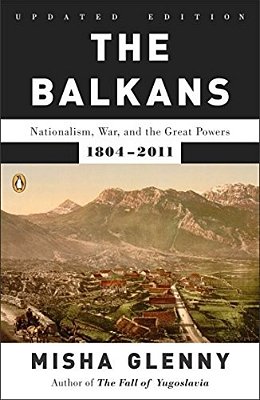 The Balkans: Nationalism, War, And The Great Powers, 1804-2011-..
R$ 232,40R$ 185,92até 3x de R$ 61,97 sem jurosou R$ 176,62 via Pix20% Desconto -
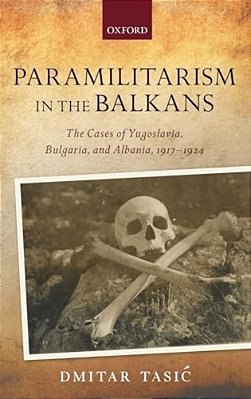 Paramilitarism In The Balkans: Yugoslavia, Bulgaria, And Albania, 1917-1924-..
R$ 954,50R$ 763,60até 4x de R$ 190,90 sem jurosou R$ 725,42 via Pix20% Desconto -
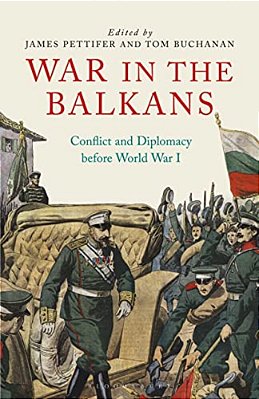 War In The Balkans: Conflict And Diplomacy Before World War I-..
R$ 389,69R$ 311,75até 4x de R$ 77,93 sem jurosou R$ 296,16 via Pix20% Desconto -
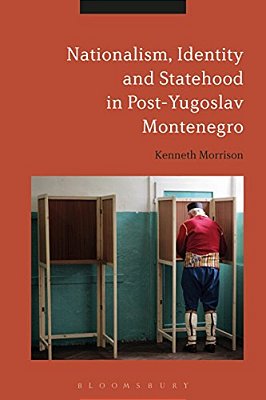 Nationalism, Identity And Statehood In Post-Yugoslav Montenegro-..
R$ 1.452,50R$ 1.162,00até 4x de R$ 290,50 sem jurosou R$ 1.103,90 via Pix20% Desconto
-

Categorias
Pague com

Selos

MYRE EDITORA, COMERCIALIZADORA, IMPORTADORA E DISTRIBUIDORA LTDA - CNPJ: 50.295.718/0001-20 © Todos os direitos reservados. 2026
