


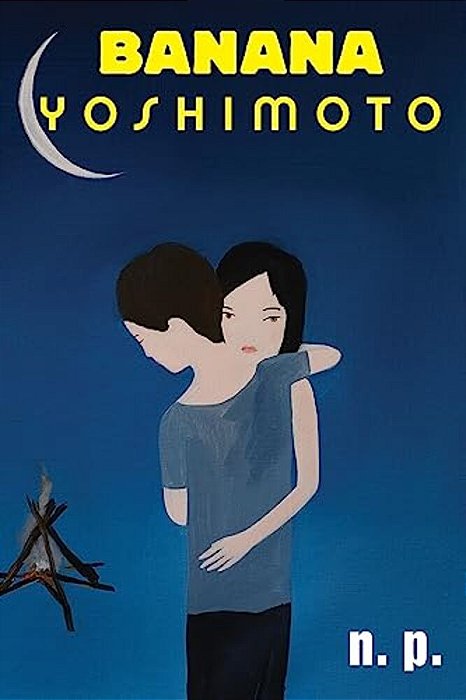
Np-..
até
2x
de
R$ 56,44
sem juros
ou R$ 107,24
via Pix
Adicionar ao carrinho
Disponibilidade: 45 dias úteis
Estoque: 46 unidades
-
- 1x de R$ 112,88 sem juros
- 2x de R$ 56,44 sem juros
-
R$ 107,24

-
R$ 112,88


"Yoshimoto hits some of the same notes that a previous generation's literary masters (say, Kawabata or Tanizaki) might sound, and yet the effect seems artless, spontaneous and wonderfully fresh." --Los Angeles Times Book Review Banana Yoshimoto's warm, witty, and heartfelt depictions of the lives of young Japanese have earned her international acclaim and best-seller status, as well as a place among the best of contemporary Japanese literature. In N.P., a celebrated Japanese writer has committed suicide, leaving behind a collection of stories written in English, entitled N.P. But the book may never be published in his native Japan: each translator who takes up the ninety-eighth story chooses death too--including Kazami's boyfriend, Shoji. Haunted by Shoji's death, Kazami discovers the truth behind the ninety-eighth story--and comes to believe that "everything that had happened was shockingly beautiful, enough to make you crazy." Banana Yoshimoto's language sweeps the reader immediately into the streets of Tokyo, with her uncanny ability to merge the echoes of Japanese traditional literature with a contemporary plot. N.P. is essential reading, a stunningly simple tale of youthful desires and obsessions.
Yoshimoto, Banana
Banana Yoshimoto, cujo nome de batismo é Mahoko Yoshimoto, nasceu em Tóquio, em 24 de julho de 1964, filha do poeta e militante de esquerda Takaaki Yoshimoto (1924-2012). Formada em literatura pela Universidade Nihon, foi muito bem recebida pela crítica por sua obra de estreia, Kitchen, publicada em 1988, quando ainda era estudante universitária. Kitchen lhe rendeu o prêmio literário Izumi Kyoka. Tendo começado a escrever de forma bastante precoce, aos cinco anos de idade, ela adotou o pseudônimo “Banana” pelo apreço que tem por flores de bananeira. Seus livros já foram traduzidos para mais de vinte idiomas. O tema da morte e a preferência por protagonistas mulheres são algumas das marcas mais evidentes na escrita da autora, cujos personagens nunca caem nos lugares-comuns: ao contrário, são sempre excêntricos. |
Produtos relacionados
-
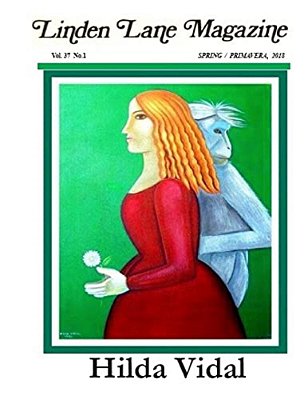 Linden Lane Magazine: Vol. 37 Np. 1 Spring 2018-..ou R$ 94,62 via Pix
R$ 124,50R$ 99,6020% Desconto
-

Categorias
Pague com

Selos

MYRE EDITORA, COMERCIALIZADORA, IMPORTADORA E DISTRIBUIDORA LTDA - CNPJ: 50.295.718/0001-20 © Todos os direitos reservados. 2026
