


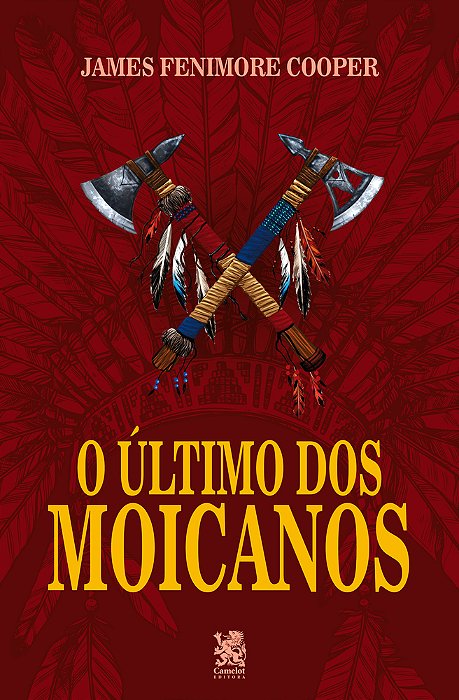
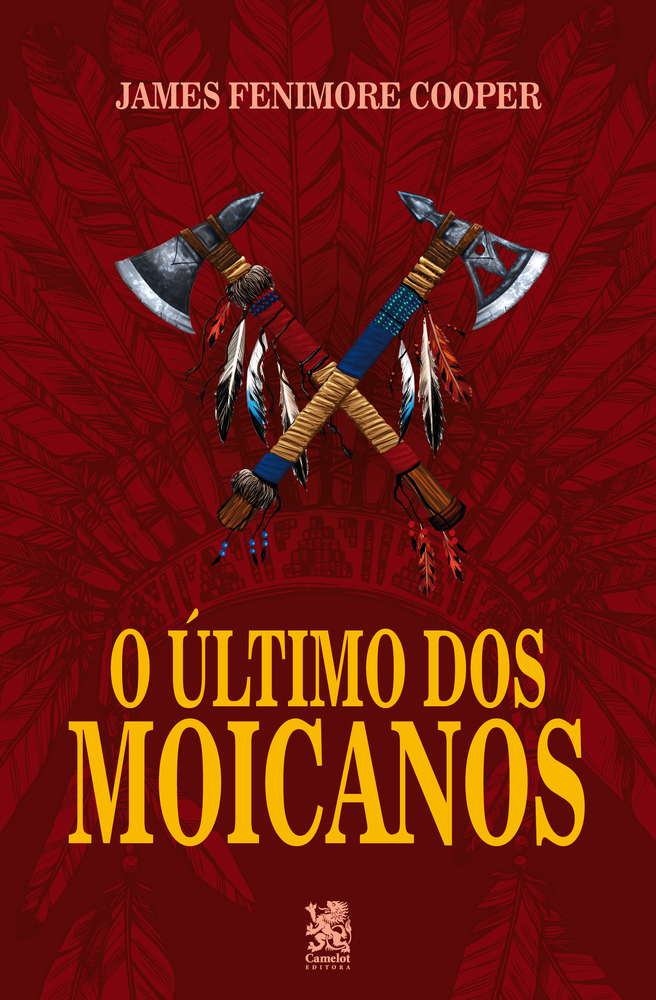
O Último Dos Moicanos
Este romance épico transporta o leitor para o século XVIII, nas densas florestas e montanhas majestosas da América do Norte durante a Guerra Franco-Indígena. É nesse cenário em que James Fenimore Cooper apresenta a história de Hókai, um homem europeu adotado por indígenas Moicanos e perito nas artes da sobrevivência e do combate. Imerso em duas culturas, e servindo como um elo entre dois mundos em constante confronto, Hókai e dois guerreiros Moicanos lutam para sobreviver a uma jornada repleta de perigos e traições que despertam o inevitável choque de culturas, além de um inimigo nunca antes visto.James Fenimore Cooper foi um proeminente escritor americano do século XIX, nascido em 1789 e falecido em 1851. Ele é conhecido por seus romances históricos que retratam a vida na fronteira americana, sendo "O Último dos Moicanos" sua obra mais famosa. Cooper é considerado um dos primeiros grandes romancistas americanos e teve uma influência significativa no desenvolvimento da literatura dos Estados Unidos.
Cooper, James Fenimore
Brief biography: James Fenimore Cooper was born on September 15, 1789 in Burlington, New Jersey, the eleventh of twelve children. When he was one year old, he moved with parents William and Elizabeth to Cooperstown on Ostego Lake in central New York. During Cooper's boyhood, there were few backwoods settlers left and even fewer Indians. However, Cooper's early experiences in this frontier town gave him the background knowledge used in the Pioneers (1923).After boarding school in Albany, Cooper attended Yale College from 1803 - 1805 but was expelled. Apparently his expulsion stemmed from a dangerous prank that involved him blowing up another student's door. There Cooper acquired his lifelong distaste for New Englanders. In 1806, he became a sailor and then a midshipman in the Navy. At twenty, he inherited a fortune from his father and married Susan Augusta De Lancey, the daughter of a wealthy family that had remained Loyalist during the Revolution. Cooper married De Lancey New Years Day, 1811 and for two years he led the life of a country gentleman. When all five of his older brothers died, leaving widows and children behind, Fenimore began searching for work and wealth.In 1820, Cooper's wife bet him that he could write a book better than the one she was reading. What followed was Precaution (1820) a novel of morals and manners that showed the influence of Jane Austen.With a pleasant enough reception, he published The Spy: A Tale of Neutral Ground (1821) the first historical romance about the American Revolution. Then, on its success, Fenimore moved to New York City to pursue writing as a career.While in New York, he founded the Bread and Cheese Club and became the center of a circle that included notable painters of the Hudson River School as well as writers like William Cullen Bryant. In 1823, Cooper published The Pioneers which eventually consisted of five books about Natty Bumppo called The Leatherstocking Tales. With this, he created what can be critically viewed as the first American novel and hero. He also brought up the thematical complexities of natural right versus legal right, order versus change, and wilderness versus civilization which still fill the pages of American writing today. In 1826, at the height of his popularity, he sailed for Europe for what became a seven year stay. He wrote The Prairie (1827) and Notions of the Americans (1828) a defense of the United States against the attacks of European travelers. Under the half-patronizing epithet of "the American Scott" he wrote three historical novels that mimicked the writing of Sir Walter Scott. Returning to the US in 1833, Cooper was so hurt by a review that he penned A Letter to his Countrymen (1834) which was a bitter attack on American provincialism. He also became involved in disputes in Cooperstown where he was attacked by newspapers as a false aristocrat poisoned by European influences. In response, Cooper immersed himself in law suits aimed at gaining damages that would tame the irresponsibility of the press. Cooper established the principle that reviewers must work within the bounds of truth when they deal with an author rather than the book. Even with this scandal at his heels, Cooper continued to write a school primer, The American Democrat (1838) and three more Leatherstocking Tales: The Last of the Mohicans (1826), The Pathfinder (1840), and The Deerslayer (1841). Then came Cooper's obsession with the sea from his previous experience in the Navy. He penned The History of the Navy of the United States of America (1839), The Cruise of Sommers (1844), and The Distinguished American Naval Officers (1846).At the time of his death on September 14, 1851, Cooper was more successful and respected abroad than at home. Out of step with his countrymen, his work was very influential to European writers like Honore de Balzac and Leo Tolstoy. Yet, the weaknesses of Fenimore's fiction are quite well known and wide-spread. Mark Twain tore apart Fenimore's romanticism in Fenimore Coopers Literary Offenses (1895). Clearly, Fenimore's tone was criticized as being reactionary, romantic, and pedagogical in tone. However, Cooper did contribute a great deal to the genre of American fiction. In the grand enterprise, even today, everyone has read books and seen films that are directly and indirectly affected by Cooper's conception of Natty Bumppo and his creation of the American novel.Source: http://xroads.virginia.edu/~UG02/COOPER/cooperbiography.html |
| ISBN | 9786560950757 |
| Autores | Cooper, James Fenimore (Autor) ; Camelot Editora (Compilador) |
| Editora | Camelot |
| Idioma | Português |
| Edição | 1 |
| Ano de edição | 2024 |
| Páginas | 176 |
| Acabamento | Brochura |
| Dimensões | 23,00 X 15,10 |
Produtos relacionados
-
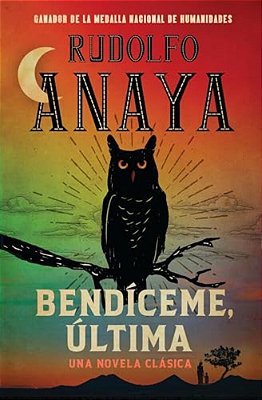 Bendíceme, Ultima-..
R$ 157,62R$ 126,10até 2x de R$ 63,05 sem jurosou R$ 119,80 via Pix20% Desconto



Categorias
Pague com


Selos

MYRE EDITORA, COMERCIALIZADORA, IMPORTADORA E DISTRIBUIDORA LTDA - CNPJ: 50.295.718/0001-20 © Todos os direitos reservados. 2026
