


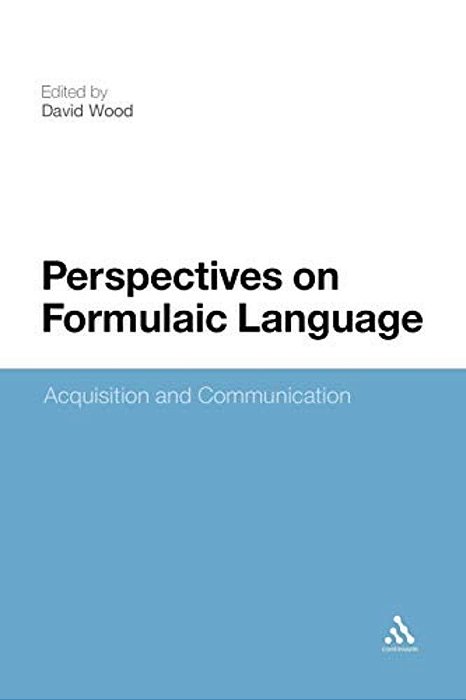
Perspectives On Formulaic Language: Acquisition And Communication-..
até
4x
de
R$ 87,89
sem juros
ou R$ 334,01
via Pix
Adicionar ao carrinho
Disponibilidade: 45 dias úteis
Estoque: 148 unidades
-
- 1x de R$ 351,59 sem juros
- 2x de R$ 175,79 sem juros
- 3x de R$ 117,19 sem juros
- 4x de R$ 87,89 sem juros
-
R$ 334,01

-
R$ 351,59


Formulaic sequences are more or less fixed word combinations such as idioms, collocations, lexical bundles, phrasal verbs and so on. Study in this area has grown over the past fifteen years, despite the fact that there are no academic journals or conferences devoted to this topic. This edited collection is an attempt to draw together the diverse international work on formulaic language. It features an introduction by Dr. Regina Weinert, a pioneer and expert in the study of formulaic language in acquisition. The authors have an international scope, from China and Italy to Armenia, Canada and Britain. The book is divided into three sections: Formulaic Language in Acquisition and Pedagogy; Identification and Psycholinguistic Processing of Formulaic Language; Communicative Functions of Formulaic Language. The topics of the papers are as varied as the geographic locations of the authors - critical discourse analysis, psycholinguistics, memorization, corpus analysis, specific languages such as Arabic, and even Beowulf and blogging language. This volume represents a step forward for the study of formulaic language, offering diverse, often previously unexplored perspectives from international researchers, advancing knowledge in innovative ways. It makes a fresh contribution the growing number of works on this topic and will appeal to researchers and academics working with formulaic language throughout linguistics.
Wood, David
David Wood é um dos pioneiros da indústria do smartphone, cofundador em 1988 do Symbian, o famoso sistema operacional adquirido posteriormente pela Nokia. Foi responsável tecnológico da empresa de consultoria Accenture Mobility, onde impulsionou iniciativas de negócio relacionadas à saúde. Atualmente é escritor, divulgador científico e palestrante profissional sobre o futuro. Publicou vários livros sobre as mudanças tecnológicas, é codiretor do Millennium Project em Londres, e é fundador e diretor da London Futurists.
Possui um mestrado em matemática pela Universidade de Cambridge e um doutorado honorário em ciência pela Universidade de Westminster. Também é membro do Institute for Ethics and Emerging Technologies (IEET) e secretário da Humanity+. |
| ISBN | 9781441148414 |
| Autor(a) | Wood, David |
| Editora | Continnuum-3PL |
| Ano de edição | 2012 |
| Páginas | 298 |
| Acabamento | Brochura |
| Dimensões | 23,40 X 15,60 |
Produtos relacionados
-
 Perspectives On Formulaic Language: Acquisition And Communication-..
R$ 1.909,00R$ 1.527,20até 4x de R$ 381,80 sem jurosou R$ 1.450,84 via Pix20% Desconto -
 Understanding Formulaic Language: A Second Language Acquisition Perspective-..
R$ 614,12R$ 491,30até 4x de R$ 122,82 sem jurosou R$ 466,74 via Pix20% Desconto -
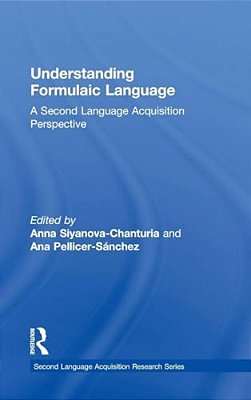 Understanding Formulaic Language: A Second Language Acquisition Perspective-..
R$ 1.942,12R$ 1.553,70até 4x de R$ 388,42 sem jurosou R$ 1.476,02 via Pix20% Desconto -
 Formulaic Language - Pushing The Boundaries-..
R$ 493,02R$ 394,42até 4x de R$ 98,60 sem jurosou R$ 374,70 via Pix20% Desconto
-
Categorias
Pague com

Selos

MYRE EDITORA, COMERCIALIZADORA, IMPORTADORA E DISTRIBUIDORA LTDA - CNPJ: 50.295.718/0001-20 © Todos os direitos reservados. 2026
