


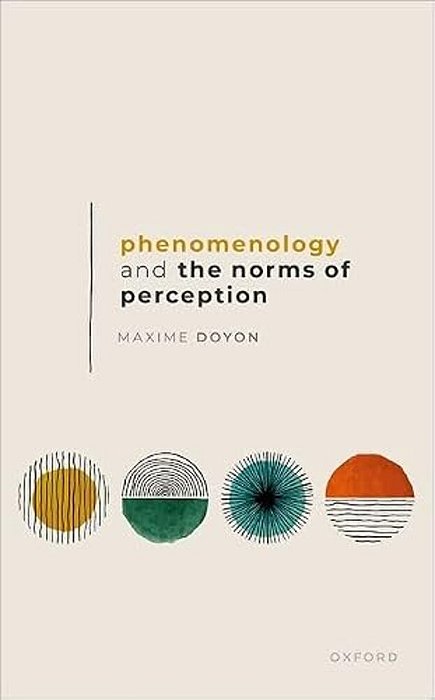
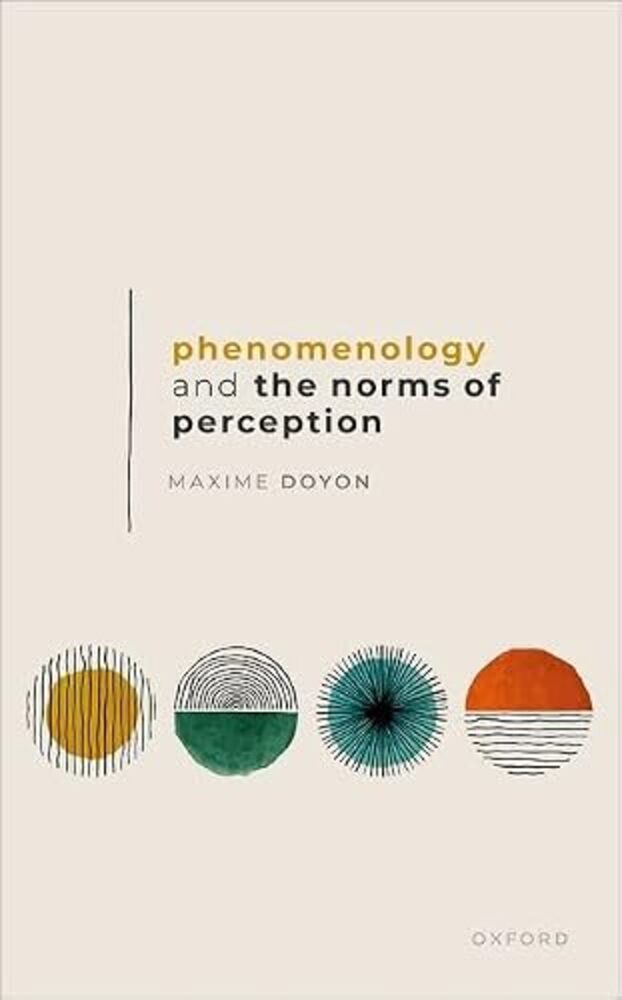
Phenomenology And The Norms Of Perception-..
até
4x
de
R$ 182,60
sem juros
ou R$ 693,88
via Pix
Adicionar ao carrinho
Disponibilidade: 45 dias úteis
Estoque: 169 unidades
-
- 1x de R$ 730,40 sem juros
- 2x de R$ 365,20 sem juros
- 3x de R$ 243,46 sem juros
- 4x de R$ 182,60 sem juros
-
R$ 693,88

-
R$ 730,40


In the philosophical literature, it is customary to think of perception as being assessable with respect to epistemic norms. E.g., the whole discussion around disjunctivism, which is now often considered to be the dominant, if not the default position in philosophy of perception, is, by and large, framed and motivated by epistemological concerns about truth and falsity. This book argues that perception is normative in another, more fundamental sense. Perception is governed by norms that Doyon calls perceptual, that is, immanent to its own structure. This does not mean that perceptual norms are cut-off from external facts; it rather means that they are constitutive moments of our experience of these facts. Perceptual norms are, in that sense, constitutive or enabling norms in that they establish what perception is. To articulate this view, he draws in the repertoire of the phenomenological tradition, in the work of Edmund Husserl and Maurice Merleau-Ponty in particular. Like Kant, both phenomenologists were concerned with the question of the unity of experience and sought to identify the conditions of possibility for having a perception, which they conceive not as a mere sensible experience of the outer world, but as a continuous and meaningful experience of reality. Unlike Kant, however, neither phenomenologist immediately identified these conditions with cognition or epistemic criteria. For both phenomenologists, perception has its own standards, its own conditions of possibility. Perception obtains when it unfolds concordantly or coherently; and when the perceptual progression corresponds to or is in harmony with one's goal or interest, perception can also be said to be optimal. From the phenomenological point of view, concordance (Einstimmigkeit) and optimality (Optimalität) are the two basic perceptual norms governing over perceptual experience, and much of the book is devoted to clarifying their meaning and to address the philosophical consequences that follow from this insight.
| ISBN | 9780198884224 |
| Autor(a) | Doyon, Maxime |
| Editora | Oxford University Press (UK) |
| Ano de edição | 2024 |
| Páginas | 288 |
| Acabamento | Capa Dura |
| Dimensões | 20,80 X 13,20 |
Produtos relacionados
-
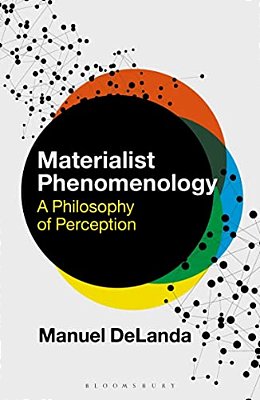 Materialist Phenomenology: A Philosophy Of Perception-..
R$ 913,00R$ 730,40até 4x de R$ 182,60 sem jurosou R$ 693,88 via Pix20% Desconto -
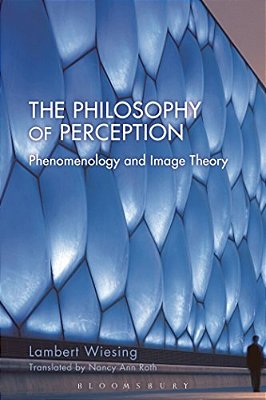 The Philosophy Of Perception: Phenomenology And Image Theory-..
R$ 1.577,00R$ 1.261,60até 4x de R$ 315,40 sem jurosou R$ 1.198,52 via Pix20% Desconto -
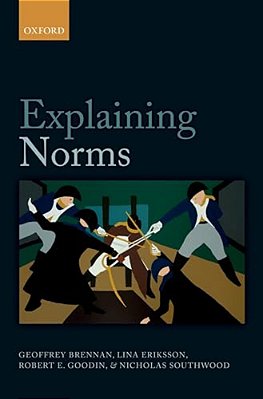 Explaining Norms-..
R$ 996,00R$ 796,80até 4x de R$ 199,20 sem jurosou R$ 756,96 via Pix20% Desconto -
 Multilingual Norms-..
R$ 788,09R$ 630,47até 4x de R$ 157,61 sem jurosou R$ 598,95 via Pix20% Desconto
-

Categorias
Pague com

Selos

MYRE EDITORA, COMERCIALIZADORA, IMPORTADORA E DISTRIBUIDORA LTDA - CNPJ: 50.295.718/0001-20 © Todos os direitos reservados. 2026
