


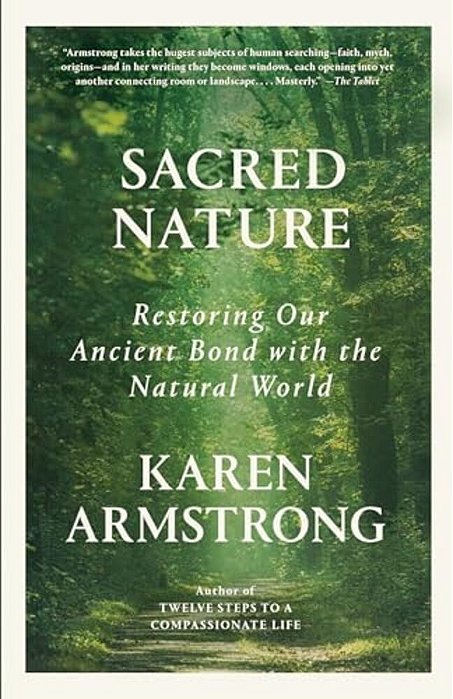
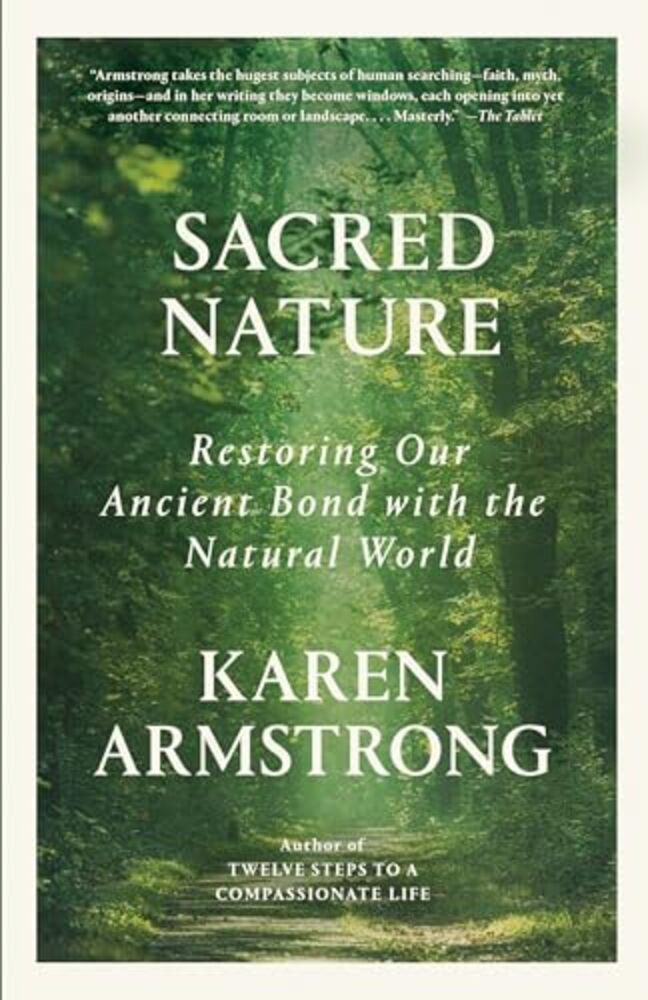
Sacred Nature: Restoring Our Ancient Bond With The Natural World-..
até
2x
de
R$ 59,76
sem juros
ou R$ 113,54
via Pix
Adicionar ao carrinho
Disponibilidade: 90 dias úteis
Estoque: 20 unidades
-
- 1x de R$ 119,52 sem juros
- 2x de R$ 59,76 sem juros
-
R$ 113,54

-
R$ 119,52


From one of the most original thinkers on the role of religion in the modern world, a profound exploration of the spiritual power of nature--and an urgent call to reclaim that power in everyday life. "Much has been written on the scientific and technological aspects of climate change.... But Armstrong's book is both more personal and more profound. Its urgent message is that hearts and minds need to change if we are to once more learn to revere our beautiful and fragile planet." --The Guardian Since the beginning of time, humankind has looked upon nature and seen the divine. In the writings of the great thinkers across religions, the natural world inspires everything from fear, to awe, to tranquil contemplation; God, or however one defined the sublime, was present in everything. Yet today, even as we admire a tree or take in a striking landscape, we rarely see nature as sacred. In this short but deeply powerful book, the best-selling historian of religion Karen Armstrong re-sacralizes nature for modern times. Drawing on her vast knowledge of the world's religious traditions, she vividly describes nature's central place in spirituality across the centuries. In bringing this age-old wisdom to life, Armstrong shows modern readers how to rediscover nature's potency and form a connection to something greater than ourselves.
Armstrong, Karen
KAREN ARMSTRONG nasceu na Inglaterra e foi freira durante sete anos. Ao deixar sua ordem, em 1969, bacharelou-se em literatura em Oxford. Lecionou literatura moderna na Universidade de Londres e, atualmente, além de escritora, é destacada consultora e conferencista na área de religião comparada. Dela, a Companhia das Letras já publicou Jerusalém (2000), Maomé (2002), Breve história do mito (2005), Em defesa de Deus (2011), Campos de sangue: religião e a história da violência (2016), entre outros. |
| ISBN | 9780593313404 |
| Autor(a) | Armstrong, Karen |
| Editora | Knopf Doubleday Publishing Group |
| Ano de edição | 2023 |
| Páginas | 224 |
| Acabamento | Brochura |
| Dimensões | 20,20 X 13,00 |
Produtos relacionados
-
 Youth Restoring America: Youth Restoring America-..ou R$ 36,27 via Pix
R$ 47,73R$ 38,1820% Desconto -
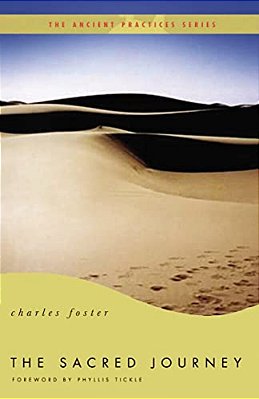 The Sacred Journey: The Ancient Practices-..
R$ 157,62R$ 126,10até 2x de R$ 63,05 sem jurosou R$ 119,80 via Pix20% Desconto -
 Restoring The Pleasure-..
R$ 165,92R$ 132,74até 2x de R$ 66,37 sem jurosou R$ 126,10 via Pix20% Desconto
-

Categorias
Pague com

Selos

MYRE EDITORA, COMERCIALIZADORA, IMPORTADORA E DISTRIBUIDORA LTDA - CNPJ: 50.295.718/0001-20 © Todos os direitos reservados. 2026
