


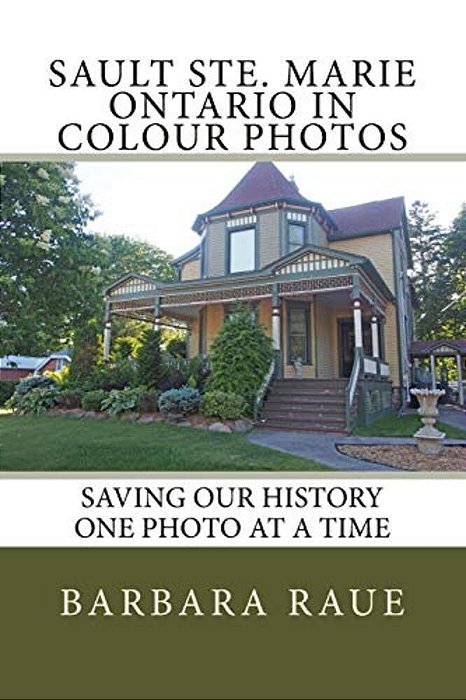
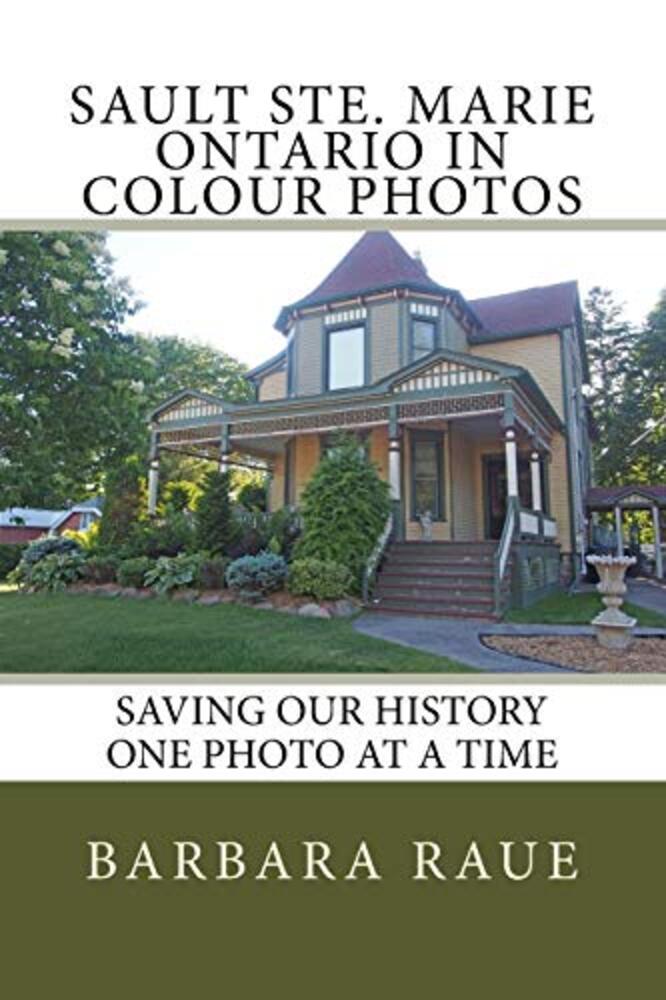
Sault Ste. Marie Ontario In Colour Photos: Saving Our History One Photo At A Time-..
até
2x
de
R$ 53,09
sem juros
ou R$ 100,87
via Pix
Adicionar ao carrinho
Disponibilidade: 45 dias úteis
Estoque: 184 unidades
-
- 1x de R$ 106,18 sem juros
- 2x de R$ 53,09 sem juros
-
R$ 100,87

-
R$ 106,18


Sault Ste. Marie is a city on the St. Marys River close to the US-Canada border. To the south, across the river, is the United States and the city of Sault Ste. Marie, Michigan. These two communities were one city until a treaty after the War of 1812 established the border between Canada and the United States in this area at the St. Mary's River. Today the two cities are joined by the International Bridge. Shipping traffic in the Great Lakes system bypasses the Saint Mary's Rapids via the American Soo Locks, the world's busiest canal in terms of tonnage that passes through it, while smaller recreational and tour boats use the Canadian Sault Ste. Marie Canal. Before there was a Soo Locks, or even houses and stores, the place we call "the Sault" was a land covered by trees. The people living in this place called themselves "Anishinabeg," which means "The People." They were Woodland Indians whose homes, clothing, food and tools were all made from the plants and animals they found in the woods and water around them. Where the Soo Locks are today, the river that we now call the St. Marys had huge rocks scattered across it. French colonists referred to the rapids on the river as Les Saults de Ste. Marie and the village name was derived from that. The rapids and cascades of the St. Mary's River descend more than twenty feet from the level of Lake Superior to the level of the lower lakes. Each spring several large canoes paddled by men from the Montreal area called voyageurs came to the Sault from Montreal. With the voyageurs, came traders from the large fur companies of Montreal and tons of goods to be traded for the furs that the Chippewas had trapped during the winter. Among the trade goods were guns, metal knives and traps, pots and pans, blankets, beads and cotton material. Beaver furs were used to make fashionable men's hats in Europe.
| ISBN | 9781548622022 |
| Autor(a) | Raue, Barbara |
| Editora | Createspace |
| Ano de edição | 2017 |
| Páginas | 78 |
| Acabamento | Brochura |
| Dimensões | 22,90 X 15,20 |
Produtos relacionados
-
 Tillsonburg Ontario In Colour Photos: Saving Our History One Photo At A Time-..ou R$ 81,95 via Pix
R$ 107,82R$ 86,2620% Desconto -
 Essex Ontario In Colour Photos: Saving Our History One Photo At A Time-..ou R$ 86,99 via Pix
R$ 114,46R$ 91,5720% Desconto -
 Waterdown Ontario In Colour Photos: Saving Our History One Photo At A Time-..ou R$ 94,56 via Pix
R$ 124,42R$ 99,5420% Desconto -
 Acton Ontario In Colour Photos: Saving Our History One Photo At A Time-..ou R$ 81,87 via Pix
R$ 107,73R$ 86,1820% Desconto
-

Categorias
Pague com

Selos

MYRE EDITORA, COMERCIALIZADORA, IMPORTADORA E DISTRIBUIDORA LTDA - CNPJ: 50.295.718/0001-20 © Todos os direitos reservados. 2026
