



The Adventures Of Huckleberry Finn American Classics Edition-..
até
2x
de
R$ 66,40
sem juros
ou R$ 126,16
via Pix
Adicionar ao carrinho
Disponibilidade: 45 dias úteis
Estoque: 232 unidades
-
- 1x de R$ 132,80 sem juros
- 2x de R$ 66,40 sem juros
-
R$ 126,16

-
R$ 132,80


"For a hundred years, the argument that this novel is has been identified, reidentified, examined, waged and advanced. What it cannot be is dismissed. It is classic literature, which is to say it heaves, manifests and lasts." -- Toni MorrisonIn celebration of the 250th anniversary of the United States, HarperCollins is proud to present this library of American classics drawn from our storied catalog. One of the foundational texts in the canon of American literature, Mark Twain's quintessential masterpiece is known for its unflinching exploration of the dangers of prejudice, the struggle to locate--and follow--one's inner moral compass when at odds with society's pressures, and the true meaning of freedom. "Persons attempting to find a motive in this narrative will be prosecuted," Twain wrote to preface his novel, The Adventures of Huckleberry Finn. "Persons attempting to find a moral in it will be banished; persons attempting to find a plot in it will be shot."Originally published in 1884, Mark Twain's The Adventures of Huckleberry Finn was met with mixed critical reception and even denounced for "offending propriety." After more than a century of weathering literary, historical, and scholarly rebuke, this novel from America's greatest humorist holds a prominent place in the canon of American literature; Hemingway once wrote that Huckleberry Finn is the novel from which "all modern American literature comes. . . . There has been nothing as good since."Set in antebellum Missouri and traversing the whole Mississippi River region, Twain's sequel to his picaresque novel The Adventures of Tom Sawyer follows Huck as he stages his own death to escape his alcoholic father and sets off on an odyssey marked by comedy, danger, and adventure. He soon encounters Jim, the enslaved man working for Huck's erstwhile guardians, the Widow Douglas and her sister Miss Watson. Jim had run away after overhearing the ladies discuss selling him, and Huck and Jim set sail on a raft down the Mississippi, headed for the Free State of Illinois.Twain's piquant humor finds full expression in this nineteenth-century literary classic, and Huck's frank, boyish narration, told in the vernacular of his time, offers true merriment. But despite Twain's disavowal, the story's moral center becomes inarguably apparent when Jim is caught and Huck--after one of the most infamous struggles of conscience in American literature--vows to help his friend escape. In Huck Finn, Twain wrote, "a sound heart and a deformed conscience come into collision and conscience suffers a defeat." Huck's journey through nature and "sivilization," and what he learns about human nature is as poignant today as in Twain's own time.Central to the American experience, a staple of classrooms, and a cultural touchstone, The Adventures of Huckleberry Finn offers timeless insights into the transition from childhood to adulthood, cruelty and prejudice, and the human condition itself.
Twain, Mark
Samuel Langhorne Clemens inventou seu pseudônimo, Mark Twain, baseado em recordações de seus tempos de piloto de barco. Samuel nasceu em 1835, no Missouri, Estados Unidos. Aprendiz de tipólogo, teve a chance de muito cedo ter contato com inúmeros livros e tornou-se um ávido leitor. Trabalhou como repórter na Califórnia,
denunciando várias irregularidades na política. Uma de suas principais obras, As Aventuras de Tom Sawyer (1881), foi escrita a princípio para adultos, mas conquistou o gosto do público infantojuvenil. O mesmo aconteceu com As Aventuras de Huckleberry Finn (1884), que pretendia ser uma sequência do primeiro. Também relatou muitas viagens pelo mundo em romances como Inocentes no Estrangeiro (1869). Foi considerado, por Ernest Hemingway, um dos maiores escritores dos Estados Unidos e o precursor da ficção moderna naquele país. |
| ISBN | 9780063484191 |
| Autor(a) | Twain, Mark |
| Editora | Harper Perennial |
| Ano de edição | 2026 |
| Páginas | 352 |
| Acabamento | Brochura |
| Dimensões | 20,80 X 14,10 |
Produtos relacionados
-
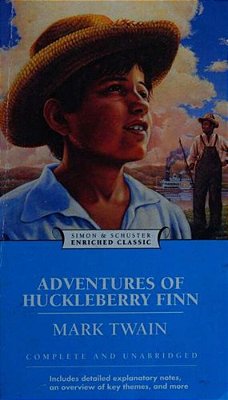 Adventures Of Huckleberry Finn - Enriched Classics-..ou R$ 37,53 via Pix
R$ 49,39R$ 39,5120% Desconto -
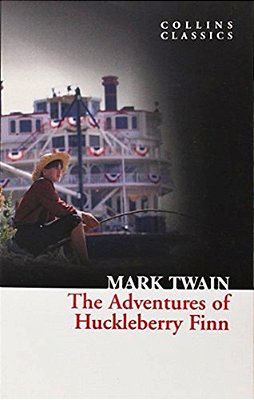 The Adventures Of Huckleberry Finn - Collins Classics-..ou R$ 18,05 via Pix
R$ 23,75R$ 19,0020% Desconto -
 The Adventures Of Huckleberry Finn - Vintage Classics Libraryou R$ 21,59 via Pix
R$ 28,41R$ 22,7320% Desconto -
 Adventures Of Huckleberry Finn-..
R$ 248,92R$ 199,14até 3x de R$ 66,38 sem jurosou R$ 189,18 via Pix20% Desconto
-

Categorias
Pague com

Selos


MYRE EDITORA, COMERCIALIZADORA, IMPORTADORA E DISTRIBUIDORA LTDA - CNPJ: 50.295.718/0001-20 © Todos os direitos reservados. 2026
