


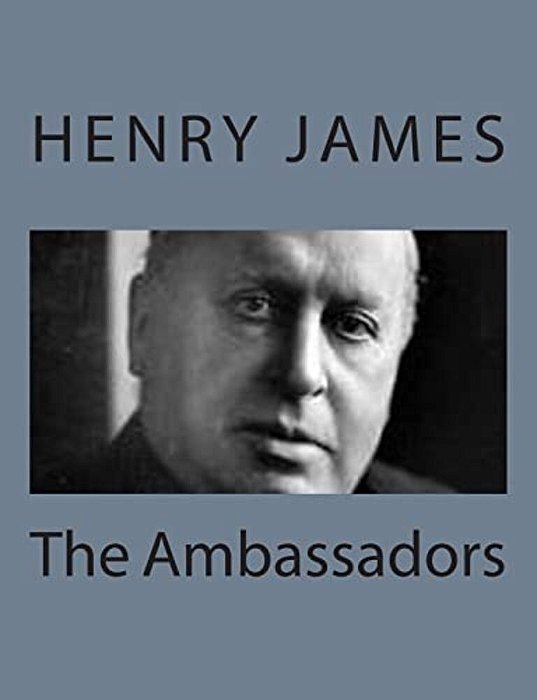
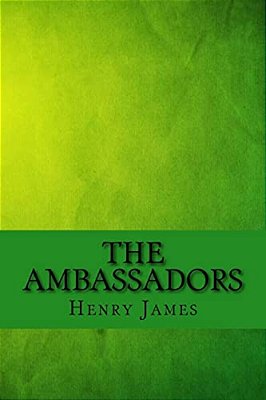
The Ambassadors-..
até
2x
de
R$ 59,76
sem juros
ou R$ 113,54
via Pix
Adicionar ao carrinho
Disponibilidade: 45 dias úteis
Estoque: 185 unidades
-
- 1x de R$ 119,52 sem juros
- 2x de R$ 59,76 sem juros
-
R$ 113,54

-
R$ 119,52


After the young woman in the glass cage had held up to him across her counter the pale-pink leaflet bearing his friend's name, which she neatly pronounced, he turned away to find himself, in the hall, facing a lady who met his eyes as with an intention suddenly determined, and whose features-not freshly young, not markedly fine, but on happy terms with each other-came back to him as from a recent vision. For a moment they stood confronted; then the moment placed her: he had noticed her the day before, noticed her at his previous inn, where-again in the hall-she had been briefly engaged with some people of his own ship's company. Nothing had actually passed between them, and he would as little have been able to say what had been the sign of her face for him on the first occasion as to name the ground of his present recognition. Recognition at any rate appeared to prevail on her own side as well-which would only have added to the mystery. All she now began by saying to him nevertheless was that, having chanced to catch his enquiry, she was moved to ask, by his leave, if it were possibly a question of Mr. Waymarsh of Milrose Connecticut-Mr. Waymarsh the American lawyer."Oh yes," he replied, "my very well-known friend. He's to meet me here, coming up from Malvern, and I supposed he'd already have arrived. But he doesn't come till later, and I'm relieved not to have kept him. Do you know him?" Strether wound up.
James, Henry
HENRY JAMES nasceu em 1843 em Nova York. Mudou-se para Londres em 1876 e morreu em 1916, um ano após naturalizar-se inglês. Produziu uma vasta obra que inclui ensaios, teatro, romances e contos. De sua autoria, o grupo Companhia das Letras já publicou A outra volta do parafuso, A morte do leão, Pelos olhos de Maisie e Retrato de uma senhora. |
| ISBN | 9781494777722 |
| Autor(a) | James, Henry |
| Editora | Createspace |
| Ano de edição | 2013 |
| Páginas | 422 |
| Acabamento | Brochura |
| Dimensões | 24,60 X 18,90 |
Produtos relacionados
-
 The Ambassadors-..
R$ 139,44R$ 111,55até 2x de R$ 55,77 sem jurosou R$ 105,97 via Pix20% Desconto -
 The Ambassadors-..
R$ 145,67R$ 116,54até 2x de R$ 58,27 sem jurosou R$ 110,71 via Pix20% Desconto -
 The Ambassadors-..
R$ 134,88R$ 107,90até 2x de R$ 53,95 sem jurosou R$ 102,50 via Pix20% Desconto

Categorias
Pague com

Selos

MYRE EDITORA, COMERCIALIZADORA, IMPORTADORA E DISTRIBUIDORA LTDA - CNPJ: 50.295.718/0001-20 © Todos os direitos reservados. 2026
