


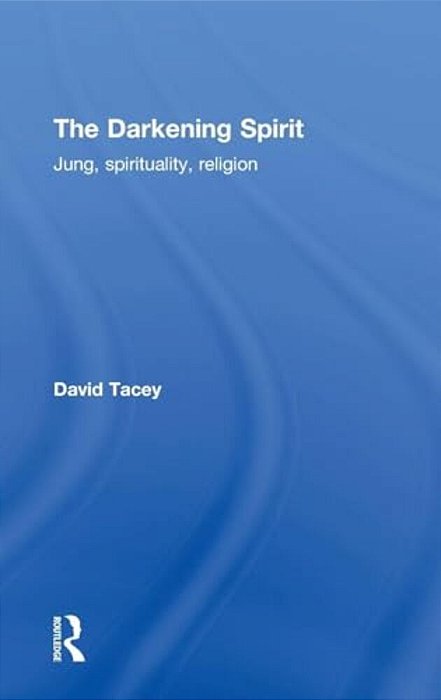
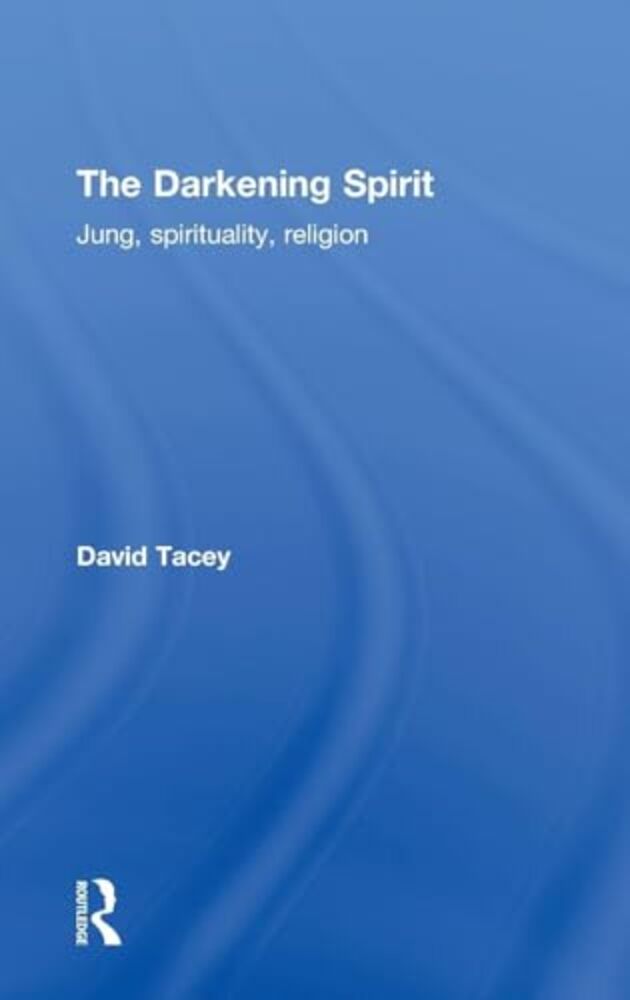
The Darkening Spirit: Jung, Spirituality, Religion-..
até
4x
de
R$ 388,42
sem juros
ou R$ 1.476,02
via Pix
Adicionar ao carrinho
Disponibilidade: 45 dias úteis
Estoque: 178 unidades
-
- 1x de R$ 1.553,70 sem juros
- 2x de R$ 776,85 sem juros
- 3x de R$ 517,90 sem juros
- 4x de R$ 388,42 sem juros
-
R$ 1.476,02

-
R$ 1.553,70


The twenty-first century could well be Jung's century, just as the twentieth century was Freud's. Jung predicted the demise of secular humanism and claimed we would search for alternatives to science, atheism and reason. We would experience a new and even unfashionable appetite for the sacred. Educated people, however, would not return to unreconstructed religions, because these do not express the life of the spirit as discerned by modern consciousness. The sacred has developed a darker hue, and worshipping symbols of light and goodness no longer satisfies the longings of the soul. The new sacred cannot be contained by the formulas of the past, but nor can we live without a sense of the sacred. We stand in a difficult place: between traditional religions we have outgrown and a pervasive materialism we can no longer embrace.These changes in our culture have come sooner than Jung might have imagined. In his time Jung struck many as eccentric or unscientific. But his works speak to our time since we have experienced the full gamut of Jungian transformations: the unsettlement of Judeo-Christian culture, the rise of the feminine, the onslaught of the dark side, the critique of modernism and positivism, and the recognition that the Western ego is neither the pinnacle of evolution nor the lord of creation. A new life is needed beyond the ego, but we do not yet know what it will look like. The outbreak of strong religion and terrorism are signs of the times, but these are expressions of a distorted and repressed spirit, and not, one hopes, genuine pointers to the future. What the future holds is uncertain, but Jung's prophetic vision helps to prepare us for what is to come, and this will be of great interest to analytical psychologists and psychoanalysts, as well as to theologians, futurists, sociologists, and the general reader.
Tacey, David
David Tacey, Ph.D., é um acadêmico interdisciplinar que trabalha no campo de filosofia continental e estudos de espiritualidade, Psicologia Analítica, literatura e sociologia. David cresceu na Austrália central cercado de culturas aborígenes e, desde sempre, tem se interessado por questões indígenas. É especialista em estudos junguianos e membro fundador da International Association of Jungian Studies. Seus livros neste campo incluem: Gods and Diseases, How to Read Jung, The Jung Reader, The Idea of the Numinous; Jung and the New Age, Remaking Men, e The Darkening Spirit: Jung, Spirituality, Religion. Sua obra mais recente é Religion as Metaphor, uma leitura junguiana da história de Jesus. Seus livros foram publicados no mundo inteiro e
traduzidos para o chinês, coreano, espanhol, português e francês. Ele é professor emérito de Ciências Humanas na La Trobe University, em Melbourne; e professor de pesquisa de Teologia Pública na Charles Sturt University, em Canberra. |
| ISBN | 9780415527026 |
| Autor(a) | Tacey, David |
| Editora | Routledge |
| Ano de edição | 2013 |
| Páginas | 192 |
| Acabamento | Capa Dura |
| Dimensões | 24,90 X 17,50 |
Produtos relacionados
-
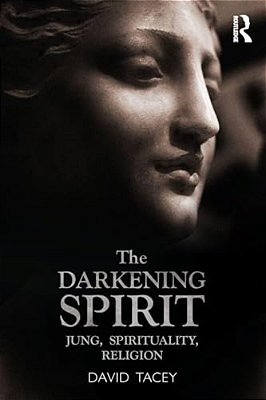 The Darkening Spirit: Jung, Spirituality, Religion-..
R$ 597,52R$ 478,02até 4x de R$ 119,50 sem jurosou R$ 454,12 via Pix20% Desconto -
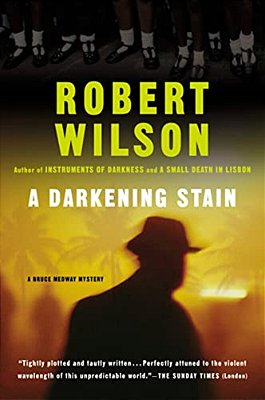 A Darkening Stain-..
R$ 149,32R$ 119,46até 2x de R$ 59,73 sem jurosou R$ 113,49 via Pix20% Desconto
-

Categorias
Pague com

Selos

MYRE EDITORA, COMERCIALIZADORA, IMPORTADORA E DISTRIBUIDORA LTDA - CNPJ: 50.295.718/0001-20 © Todos os direitos reservados. 2026
