


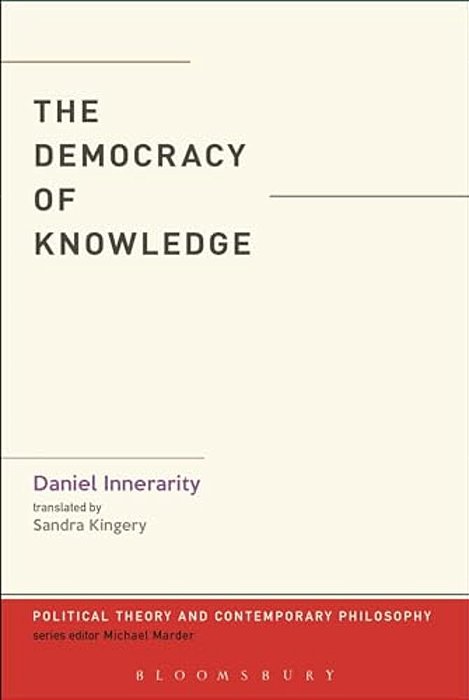
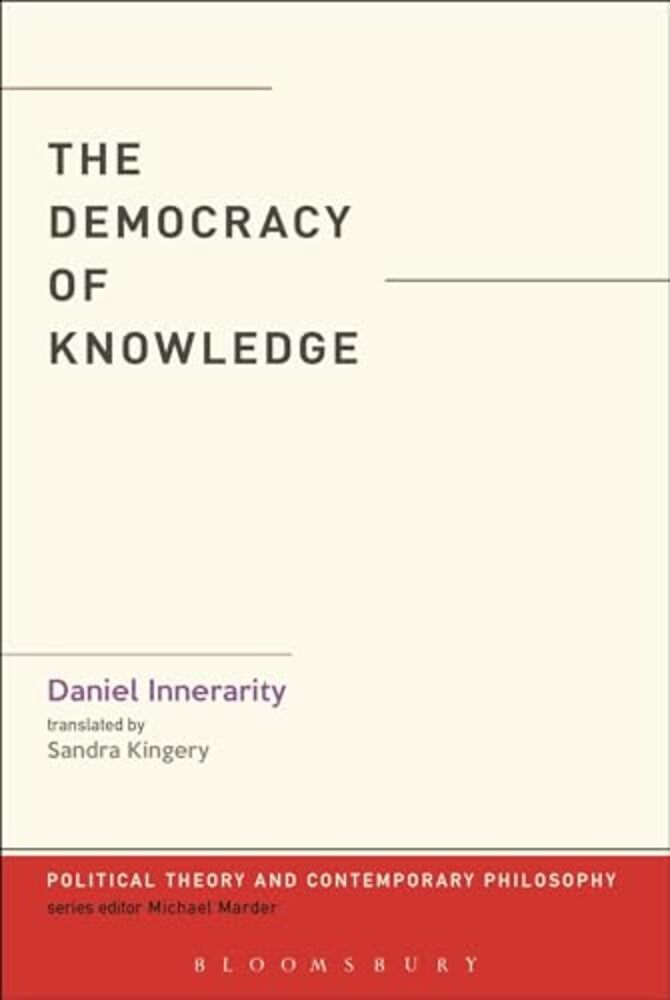
The Democracy Of Knowledge-..
até
4x
de
R$ 87,89
sem juros
ou R$ 334,01
via Pix
Adicionar ao carrinho
Disponibilidade: 45 dias úteis
Estoque: 208 unidades
-
- 1x de R$ 351,59 sem juros
- 2x de R$ 175,79 sem juros
- 3x de R$ 117,19 sem juros
- 4x de R$ 87,89 sem juros
-
R$ 334,01

-
R$ 351,59


This volume in the Political Theory and Contemporary Philosophy series extends democracy to knowledge in two ways. First, it argues that the issues science seeks to clarify are relevant for all citizens. Second, it explains that the fundamental problems faced by any democracy, such as the economic crisis, are not so much problems of political will as cognitive failures that must be resolved through both a greater knowledge of the realities over which we govern and a fine-tuning of the tools of governance. In fact, knowledge and related fields are spheres in which not only economic prosperity, but also democratic quality, are determined. Thus politics of knowledge and through knowledge has become a question of democratic citizenship. After introducing the concept of governing knowledge, the book discusses the political action of collective organization of uncertainty, before developing the idea of the cognitive challenge of the economy, revealed by today's economic crisis. A groundbreaking work by a renowned philosopher, it will be an accessible and fundamental resource for anyone interested in the relation of power to knowledge.
Innerarity, Daniel
Daniel Innerarity é catedrático em Filosofia Política e Social, pesquisador na Universidade do País Basco e diretor do Instituto de Gobernanza Democrática. Doutor em Filosofia, ampliou os estudos na Alemanha, como bolsista da Fundação Alexander von Humboldt, na Suíça e na Itália. Foi professor-convidado em diversas universidades europeias e americanas e, recentemente, no Centro Robert Schuman de Estudos Avançados do Instituto Europeu de Florença e na London School of Economics. Atualmente é diretor de estudos associados na Fondation Maison
des Sciences de l’Homme, em Paris. É colaborador do jornal El País, com artigos de opinião. Foi considerado um dos 25 grandes pensadores do mundo pela revista
francesa Le Nouvel Observateur. |
| ISBN | 9781501302787 |
| Autor(a) | Innerarity, Daniel |
| Editora | Bloomsbury Publishing Plc |
| Ano de edição | 2015 |
| Páginas | 224 |
| Acabamento | Brochura |
| Dimensões | 22,90 X 15,20 |
Produtos relacionados
-
 The Democracy Of Knowledge-..
R$ 1.577,00R$ 1.261,60até 4x de R$ 315,40 sem jurosou R$ 1.198,52 via Pix20% Desconto -
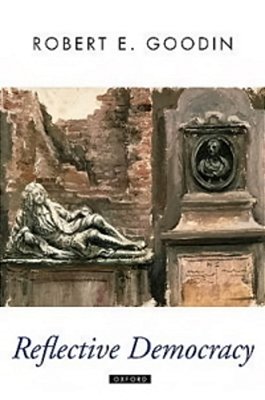 Reflective Democracy-..
R$ 664,00R$ 531,20até 4x de R$ 132,80 sem jurosou R$ 504,64 via Pix20% Desconto
-


Categorias
Pague com

Selos

MYRE EDITORA, COMERCIALIZADORA, IMPORTADORA E DISTRIBUIDORA LTDA - CNPJ: 50.295.718/0001-20 © Todos os direitos reservados. 2026
