


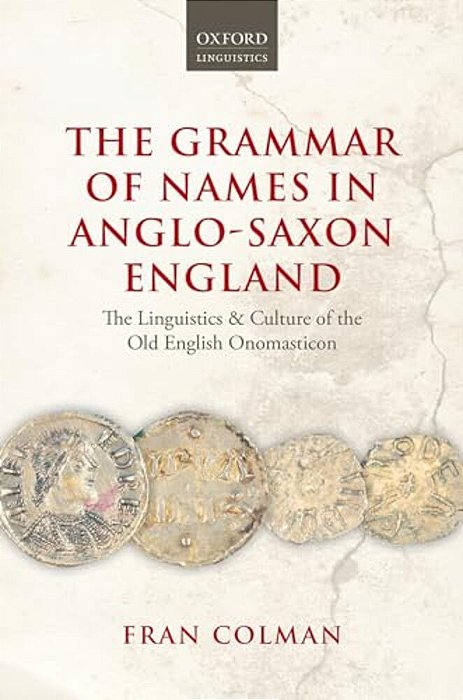
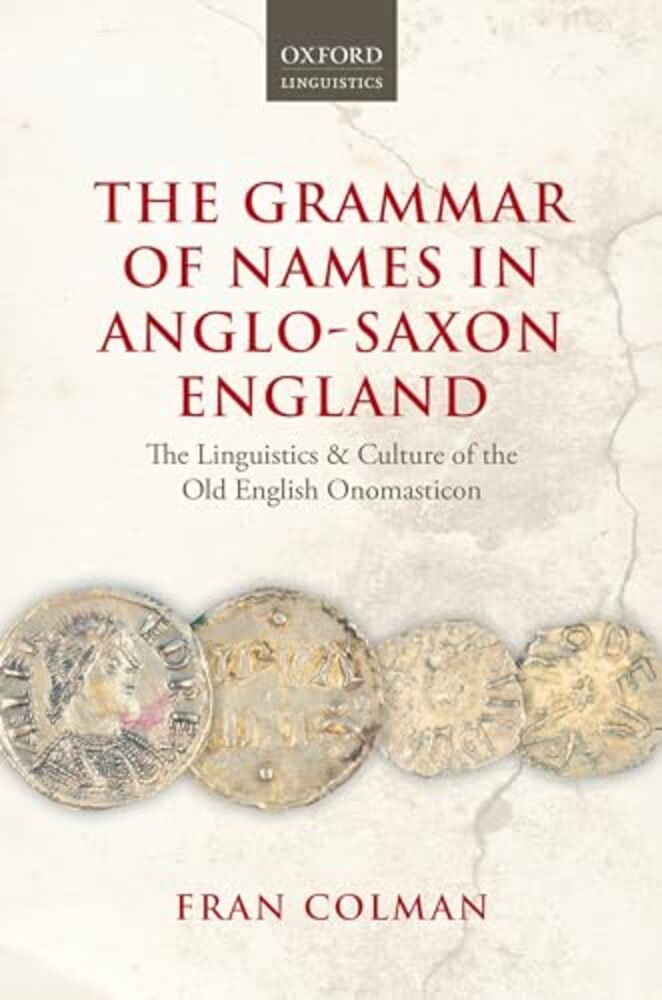
The Grammar Of Names In Anglo-Saxon England: The Linguistics And Culture Of The Old English Onomasticon-..
até
4x
de
R$ 315,40
sem juros
ou R$ 1.198,52
via Pix
Adicionar ao carrinho
Disponibilidade: 45 dias úteis
Estoque: 192 unidades
-
- 1x de R$ 1.261,60 sem juros
- 2x de R$ 630,80 sem juros
- 3x de R$ 420,53 sem juros
- 4x de R$ 315,40 sem juros
-
R$ 1.198,52

-
R$ 1.261,60


This book examines personal names, including given and acquired (or nick-) names, and how they were used in Anglo-Saxon England. It discusses their etymologies, semantics, and grammatical behaviour, and considers their evolving place in Anglo-Saxon history and culture. From that culture survive thousands of names on coins, in manuscripts, on stone and other inscriptions. Names are important and their absence a stigma (Grendel's parents have no names); they may have particular functions in ritual and magic; they mark individuals, generally people but also beings with close human contact such as dogs, cats, birds, and horses; and they may provide indications of rank and gender.
| ISBN | 9780198701675 |
| Autor(a) | Colman, Fran |
| Editora | Oxford University Press - USA |
| Ano de edição | 2014 |
| Páginas | 324 |
| Acabamento | Capa Dura |
| Dimensões | 23,60 X 15,80 |
Produtos relacionados
-
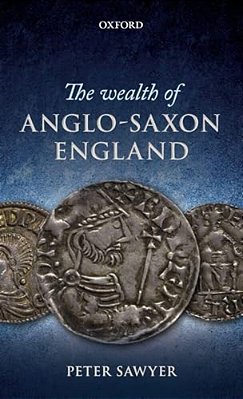 Wealth Of Anglo-Saxon England-..
R$ 664,00R$ 531,20até 4x de R$ 132,80 sem jurosou R$ 504,64 via Pix20% Desconto -
 Aspects Of Anglo-Saxon And Medieval England-..
R$ 419,15R$ 335,32até 4x de R$ 83,83 sem jurosou R$ 318,55 via Pix20% Desconto -
 Anglo-Saxon Paganism-..
R$ 1.120,50R$ 896,40até 4x de R$ 224,10 sem jurosou R$ 851,58 via Pix20% Desconto
-

Categorias
Pague com

Selos

MYRE EDITORA, COMERCIALIZADORA, IMPORTADORA E DISTRIBUIDORA LTDA - CNPJ: 50.295.718/0001-20 © Todos os direitos reservados. 2026
