


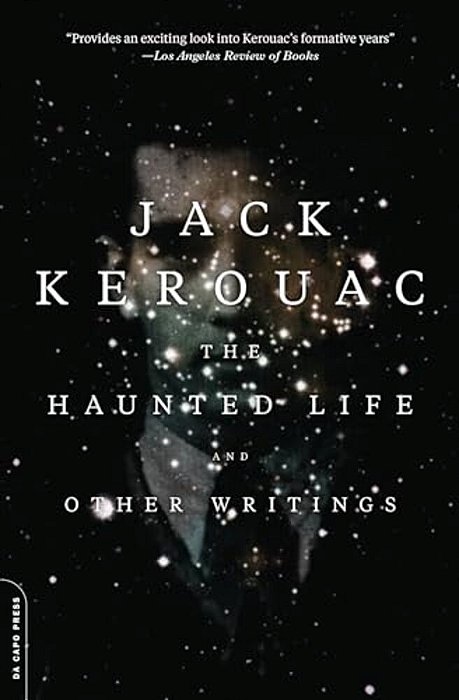
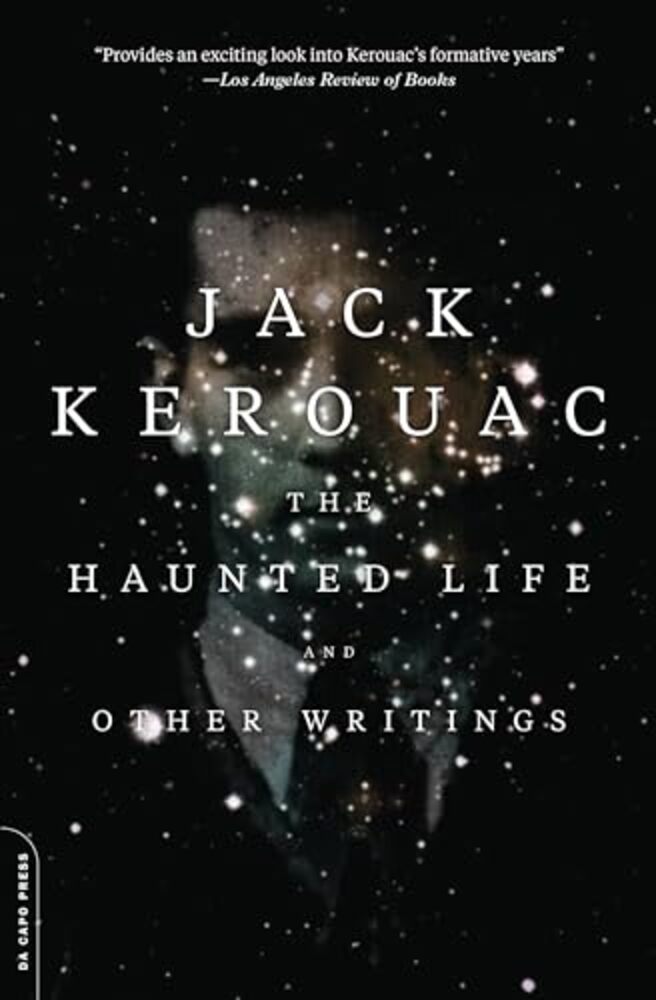
The Haunted Life: And Other Writings-..
até
2x
de
R$ 66,37
sem juros
ou R$ 126,10
via Pix
Adicionar ao carrinho
Disponibilidade: 45 dias úteis
Estoque: 272 unidades
-
- 1x de R$ 132,74 sem juros
- 2x de R$ 66,37 sem juros
-
R$ 126,10

-
R$ 132,74


1944 was a troubled and momentous year for Jack Kerouac. In March, his close friend and literary confidant, Sebastian Sampas, lost his life on the Anzio beachhead while serving as a US Army medic. That spring -- still reeling with grief over Sebastian -- Kerouac solidified his friendships with Lucien Carr, William Burroughs, and Allen Ginsberg, offsetting the loss of Sampas by immersing himself in New York's blossoming mid-century bohemia. That August, however, Carr stabbed his longtime acquaintance and mentor David Kammerer to death in Riverside Park, claiming afterwards that he had been defending his manhood against Kammerer's persistent and unwanted advances. Kerouac was originally charged in Kammerer'a killing as an accessory after the fact as a result of his aiding Carr in disposing of the murder weapon and Kammerer's eyeglasses. Consequently, Kerouac was jailed in August 1944 and married his first wife, Edie Parker, on the twenty-second of that month in order to secure the money he needed for his bail bond. Eventually the authorities accepted Carr's account of the killing, trying him instead for manslaughter and thus nullifying the charges against Kerouac. At some point later in the year -- under circumstances that remain rather mysterious -- the aspiring writer lost a novella-length manuscript titled The Haunted Life, a coming of age story set in Kerouac's hometown of Lowell, Massachusetts. Kerouac set his fictional treatment of Peter Martin against the backdrop of the everyday: the comings and goings of the shopping district, the banter and braggadocio that occurs within the smoky atmospherics of the corner bar, the drowsy sound of a baseball game over the radio. Peter is heading into his sophomore year at Boston College, and while home for the summer in Galloway he struggles with the pressing issues of his day -- the economic crisis of the previous decade and what appears to be the impending entrance of the United States into the Second World War. The other principal characters, Garabed Tourian and Dick Sheffield, are based respectively on Sebastian Sampas and fellow Lowellian Billy Chandler, both of whom had already died in combat by the time of Kerouac's drafting of The Haunted Life (providing some of the impetus for its title). Garabed is a leftist idealist and poet, with a pronounced tinge of the Byronic. Dick is a romantic adventurer whose wanderlust has him poised to leave Galloway for the wider world -- with or without Peter. The Haunted Life also contains a compelling and controversial portrayal of Jack's father, Leo Kerouac, recast as Joe Martin. Opposite of Garabed's progressive, New Deal persepctive, Joe is a right-wing and bigoted populist, and an ardent admirer of radio personality Father Charles Coughlin. The conflicts of the novella are primarily intellectual, then, as Peter finds himself suspended between the differing views of history, politics, and the world embodied by the other three characters, and struggles to define what he believes to be intellectually true and worthy of his life and talents. The Haunted Life, skillfully edited by University of Massachusetts at Lowell Assistant Professor of English Todd F. Tietchen, is rounded out by sketches, notes, and reflections Kerouac kept during the novella's composition, as well as a revealing selection of correspondence with his father, Leo Kerouac.
Kerouac, Jack
Jack Kerouac nasceu em Lowell, Massachusetts, em 12 de março de 1922; era o mais novo de três filhos de uma família de origem franco-canadense. Começou a aprender inglês apenas aos seis anos de idade, estudou em escolas católicas e públicas locais e, como jogava futebol americano muito bem, ganhou uma bolsa para a Universidade de Columbia, em Nova York. Nesta cidade conheceu Neal Cassady, Allen Ginsberg e William S. Burroughs. Largou a faculdade no segundo ano, depois de brigar com o técnico de futebol, foi morar com uma ex-namorada, Edie Parker, e juntou-se à Marinha Mercante em 1942 – dando início às jornadas infindáveis que se estenderiam por boa parte de sua vida.Em 1943 alistou-se na Marinha, de onde foi dispensado por razões psiquiátricas. Entre uma e outra viagem, voltava para Nova York e escrevia o seu primeiro romance, The Town and the City (Cidade pequena, cidade grande), publicado em 1950, sob o nome de John Kerouac. Este primeiro trabalho era fortemente influenciado pelo estilo do escritor norte-americano Thomas Wolfe e foi bem recebido.Em abril de 1951, entorpecido por benzedrina e café, inspirado pelo jazz, escreveu em três semanas a primeira versão do que viria a ser On the Road. Kerouac escrevia em prosa espontânea, como ele chamava: uma técnica parecida com a do fluxo de consciência. O manuscrito foi rejeitado por diversos editores. Em 1954, começou a interessar-se por budismo e, em 1957, On the Road foi finalmente publicado, após inúmeras alterações exigidas pelos editores. O livro, de inspiração autobiográfica, descreve as viagens através dos Estados Unidos e México de Sal Paradise e Dean Moriarty. On the Road exemplificou para o mundo aquilo que ficou conhecido como a ""geração beat"" e fez com que Kerouac se transformasse em um dos mais controversos e famosos escritores de seu tempo – embora em vida tenha tido mais sucesso de público do que de crítica e embora rejeitasse o título de “pai dos beats”.Seguiu-se a publicação de The Dharma Bums (Os vagabundos iluminados) – um romance com franca inspiração budista –, The Subterraneans (Os subterrâneos) em 1958, Maggie Cassidy, em 1959, e Tristessa, em 1960. A partir daí, Kerouac tendeu à direita, politicamente: criticava os hippies e apoiou a guerra do Vietnã. Publicou ainda Big sur e Doctor Sax, em 1962, Visions of Gerard, em 1963, e Vanity of Duluoz,em 1968, entre outros. Visions of Cody, considerado por muitos o melhor e mais radical livro do autor, só foi publicado integralmente em 1972. Ele morreu em St. Petersburg, Flórida, em 1969, aos 47 anos, de cirrose hepática. Morava, então, com sua mãe e sua mulher, Stela. Escreveu ao todo vinte livros de prosa, e 18 de ensaios, cartas e poesia. |
| ISBN | 9780306823657 |
| Autor(a) | Kerouac, Jack |
| Editora | Grand Central Publishing |
| Ano de edição | 2015 |
| Páginas | 208 |
| Acabamento | Brochura |
| Dimensões | 20,10 X 13,00 |
Produtos relacionados
-
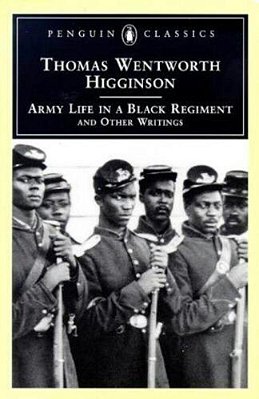 Army Life In A Black Regiment: And Other Writings-..
R$ 166,00R$ 132,80até 2x de R$ 66,40 sem jurosou R$ 126,16 via Pix20% Desconto -
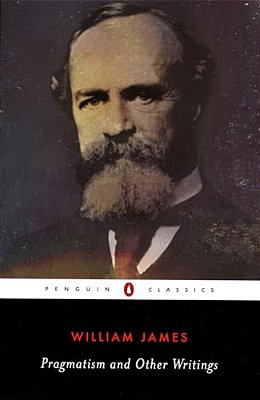 Pragmatism And Other Writings-..
R$ 149,40R$ 119,52até 2x de R$ 59,76 sem jurosou R$ 113,54 via Pix20% Desconto

Categorias
Pague com

Selos

MYRE EDITORA, COMERCIALIZADORA, IMPORTADORA E DISTRIBUIDORA LTDA - CNPJ: 50.295.718/0001-20 © Todos os direitos reservados. 2026
