



The Left-Handed Woman-..
Adicionar ao carrinho
Disponibilidade: 45 dias úteis
Estoque: 199 unidades
-
R$ 94,62

-
R$ 99,60

-
R$ 99,60

In Nobel Prize-winning author Peter Handke's The Left-Handed Woman, a young woman faces loneliness and alienation on a journey to find her own life outside of being a wife and mother.One evening, when Marianne and her husband, Bruno, are dining out together to celebrate his return from a business trip, Marianne listens to him speak and realizes suddenly yet finally that Bruno will leave her. Whether at that moment, or in years to come, she will be deserted. And instinctively Marianne knows she must fend for herself and her young son now, before that time comes. She sends Bruno away and settles down to a life alone, at first experiencing moments of panic, restlessly wandering in rooms grown stifling. The stillness of the house wears her down, and she starts taking long walks, or visiting with her close friend, Franziska. Gradually, what began as a selfish escape from the prospects of the future becomes in fact liberation. The environment she'd always hated--a no man's land of identical houses, with all curtains drawn--recedes; her relationships with those dear to her become less threatening, less necessary; and Marianne finds a new pattern for her life and the strength to go on alone. Handke adapted the novel himself into a film of the same name in 1978.
Handke, Peter
Peter Handke, nascido em 1942, é austríaco de mãe eslovena, e vive hoje em Chaville, nos arredores de Paris. Está entre os mais importantes escritores e dramaturgos de língua alemã. Recria sem cessar sua escrita e se recoloca sempre como autor.
Handke publicou dezenas de obras, entre elas várias que marcaram época, como a peça Kaspar (1968), as novelas ensaísticas como Tarde de um escritor (1987), a série de Ensaios e os romances A mulher canhota (1976), Numa noite escura, deixei minha casa silenciosa (1997) e A noite moraviana (2008). Com Wim Wenders, assinou os roteiros de O medo do goleiro ante o pênalti (1972) e Asas do desejo (1987). Dirigiu ele mesmo uma versão cinematográfica de A mulher canhota. Em 2019, foi laureado com o Prêmio Nobel de Literatura. |
| ISBN | 9781250767301 |
| Autor(a) | Handke, Peter |
| Editora | Picador |
| Ano de edição | 2020 |
| Páginas | 96 |
| Acabamento | Brochura |
| Dimensões | 21,00 X 14,00 |
Produtos relacionados
-
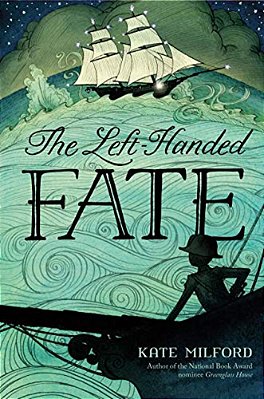 The Left-Handed Fate-..
R$ 165,92R$ 132,74até 2x de R$ 66,37 sem jurosou R$ 126,10 via Pix20% Desconto -
 The Left-Handed Booksellers Of London-..
R$ 165,92R$ 132,74até 2x de R$ 66,37 sem jurosou R$ 126,10 via Pix20% Desconto -
 The Left-Handed Booksellers Of London-..
R$ 165,92R$ 132,74até 2x de R$ 66,37 sem jurosou R$ 126,10 via Pix20% Desconto

Categorias
Pague com

Selos


MYRE EDITORA, COMERCIALIZADORA, IMPORTADORA E DISTRIBUIDORA LTDA - CNPJ: 50.295.718/0001-20 © Todos os direitos reservados. 2026
