


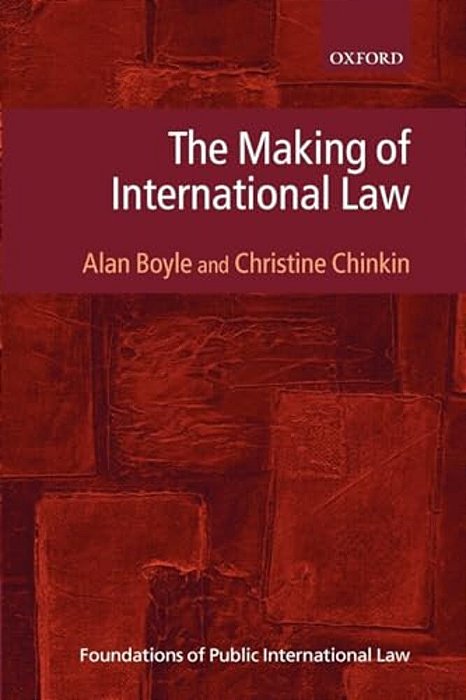
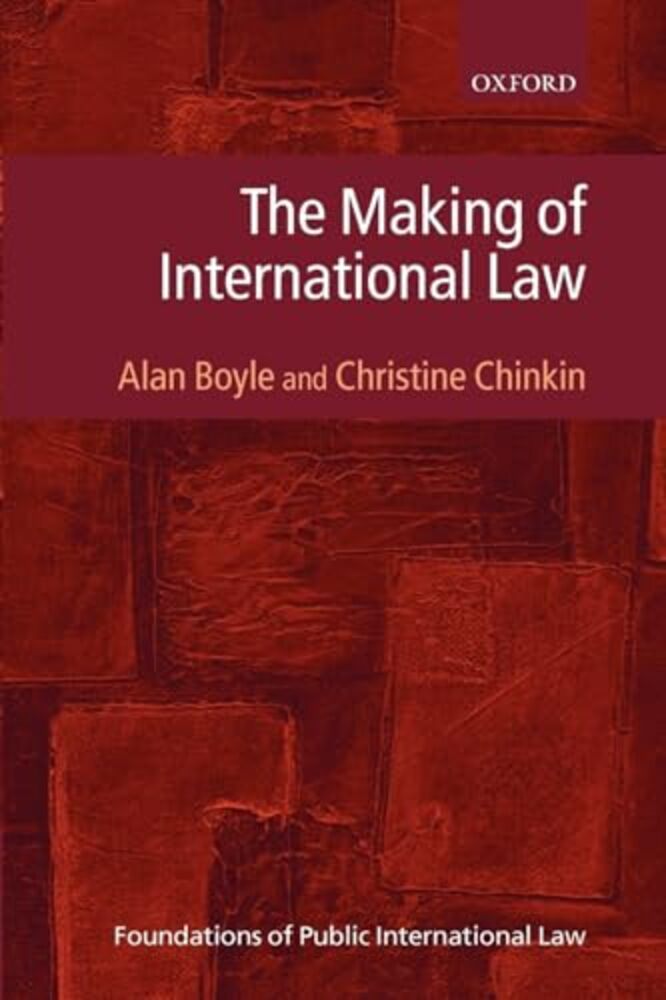
The Making Of International Law-..
até
4x
de
R$ 161,02
sem juros
ou R$ 611,88
via Pix
Adicionar ao carrinho
Disponibilidade: 45 dias úteis
Estoque: 253 unidades
-
- 1x de R$ 644,08 sem juros
- 2x de R$ 322,04 sem juros
- 3x de R$ 214,69 sem juros
- 4x de R$ 161,02 sem juros
-
R$ 611,88

-
R$ 644,08


This is a study of the principal negotiating processes and law-making tools through which contemporary international law is made. It does not seek to give an account of the traditional - and untraditional - sources and theories of international law, but rather to identify the processes, participants and instruments employed in the making of international law. It accordingly examines some of the mechanisms and procedures whereby new rules of law are created or old rules are amended or abrogated. It concentrates on the UN, other international organizations, diplomatic conferences, codification bodies, NGOs, and courts. Every society perceives the need to differentiate between its legal norms and other norms controlling social, economic and political behavior. But unlike domestic legal systems where this distinction is typically determined by constitutional provisions, the decentralized nature of the international legal system makes this a complex and contested issue. Moreover, contemporary international law is often the product of a subtle and evolving interplay of law-making instruments, both binding and non-binding, and of customary law and general principles. Only in this broader context can the significance of so-called 'soft law' and multilateral treaties be fully appreciated. An important question posed by any examination of international law-making structures is the extent to which we can or should make judgments about their legitimacy and coherence, and if so in what terms. Put simply, a law-making process perceived to be illegitimate or incoherent is more likely to be an ineffective process. From this perspective, the assumption of law-making power by the UN Security Council offers unique advantages of speed and universality, but it also poses a particular challenge to the development of a more open and participatory process observable in other international law-making bodies.
Produtos relacionados
-
 The Making Of International Law-..
R$ 1.494,00R$ 1.195,20até 4x de R$ 298,80 sem jurosou R$ 1.135,44 via Pix20% Desconto -
 International Law-..
R$ 1.452,50R$ 1.162,00até 4x de R$ 290,50 sem jurosou R$ 1.103,90 via Pix20% Desconto -
 Islamic Law And International Law-..
R$ 913,00R$ 730,40até 4x de R$ 182,60 sem jurosou R$ 693,88 via Pix20% Desconto -
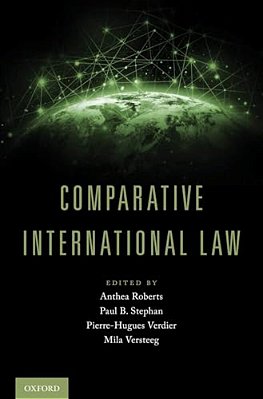 Comparative International Law-..
R$ 1.577,00R$ 1.261,60até 4x de R$ 315,40 sem jurosou R$ 1.198,52 via Pix20% Desconto
-

Categorias
Pague com

Selos

MYRE EDITORA, COMERCIALIZADORA, IMPORTADORA E DISTRIBUIDORA LTDA - CNPJ: 50.295.718/0001-20 © Todos os direitos reservados. 2026
