



The Man Who Would Be King-..
Adicionar ao carrinho
Disponibilidade: 45 dias úteis
Estoque: 202 unidades
-
R$ 50,41

-
R$ 53,06

-
R$ 53,06

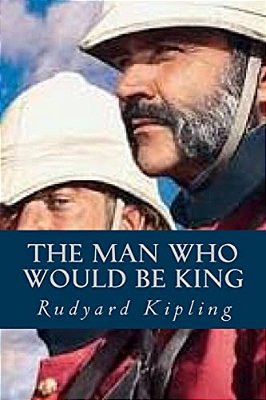
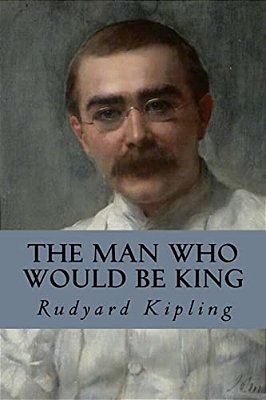
"The Man Who Would Be King" (1888) is a novella by Rudyard Kipling. It is about two British adventurers in British India who become kings of Kafiristan, a remote part of Afghanistan. The story was inspired by the exploits of James Brooke, an Englishman who became the first White Rajah of Sarawak in Borneo; and by the travels of American adventurer Josiah Harlan, who was granted the title Prince of Ghor in perpetuity for himself and his descendants. It incorporates a number of other factual elements such as the European-like appearance of many Nuristani people, and an ending modelled on the return of the head of the explorer Adolf Schlagintweit to colonial administrators. Joseph Rudyard Kipling (30 December 1865 - 18 January 1936) was an English short-story writer, poet, and novelist chiefly remembered for his tales and poems of British soldiers in India, and his tales for children. He received the Nobel Prize for Literature in 1907. He was born in Bombay, in the Bombay Presidency of British India, and was taken by his family to England when he was five years old.
Kipling, Rudyard
RUDYARD KIPLING (1865-1936) foi romancista e poeta inglês, nascido em Bombaim, Índia. Aos seis anos de idade, foi levado para a Inglaterra para estudar em um colégio interno, onde permaneceu por cinco anos. Aos 17, retornou à Índia e começou a trabalhar como jornalista. Seus escritos circulavam em edições populares nos trens, revelando profunda identificação com o povo e paisagens indianas. Casou-se em 1892 e morou por um curto período nos EUA. Nos anos que se seguiram, Kipling escreveu as histórias que deram origem ao seu personagem mais conhecido, Mogli, o menino lobo. Em 1907, tornou-se o primeiro inglês e o escritor mais jovem a ganhar o Prêmio Nobel de Literatura. |
| ISBN | 9781490555836 |
| Autor(a) | Kipling, Rudyard |
| Editora | Createspace |
| Ano de edição | 2013 |
| Páginas | 48 |
| Acabamento | Brochura |
| Dimensões | 24,60 X 18,90 |
Produtos relacionados


Categorias
Pague com

Selos

MYRE EDITORA, COMERCIALIZADORA, IMPORTADORA E DISTRIBUIDORA LTDA - CNPJ: 50.295.718/0001-20 © Todos os direitos reservados. 2026
