


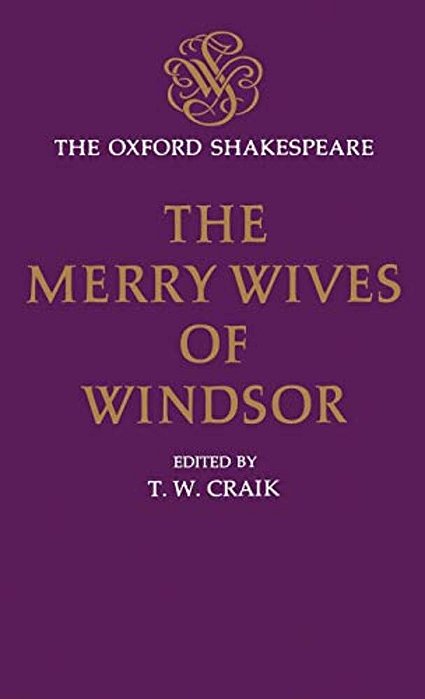
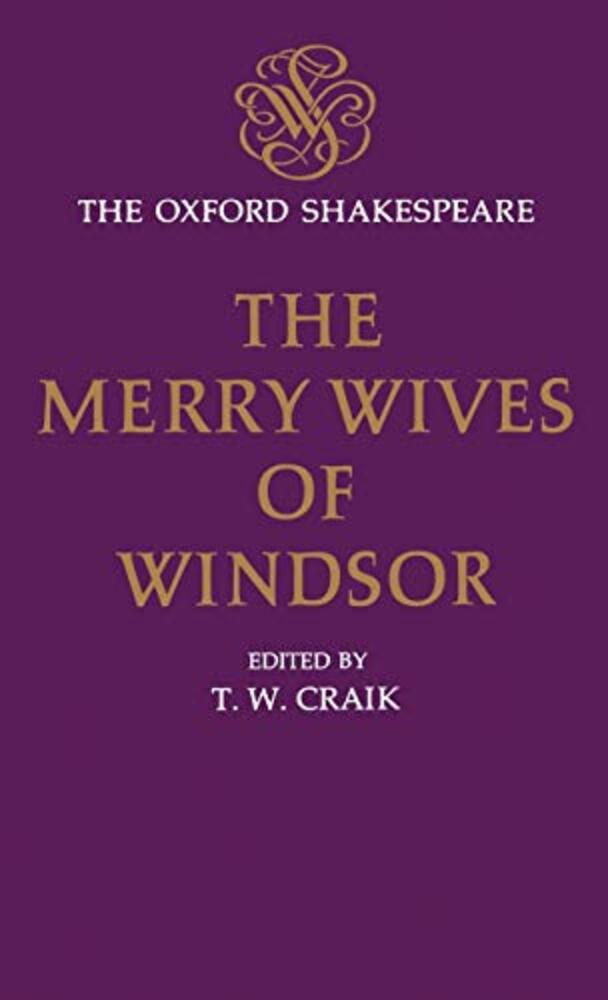
The Merry Wives Of Windsor-..
até
4x
de
R$ 340,30
sem juros
ou R$ 1.293,14
via Pix
Adicionar ao carrinho
Disponibilidade: 45 dias úteis
Estoque: 236 unidades
-
- 1x de R$ 1.361,20 sem juros
- 2x de R$ 680,60 sem juros
- 3x de R$ 453,73 sem juros
- 4x de R$ 340,30 sem juros
-
R$ 1.293,14

-
R$ 1.361,20


When a new play was required at short notice for a court occasion in 1597, Shakespeare created The Merry Wives of Windsor, a warm-hearted and spirited "citizen comedy" filled with boisterous action, situational irony, rich characterization--and the likes of Falstaff, Pistol, Mistress Quickly, and Justice Shallow. In his introduction and commentary, Craik examines a wide range of topics, including the play's probable occasion, its relationship to Shakespeare's English history plays and to other sources, its textual history, with particular reference to the widely diverging 1623 Folio and 1602 Quarto, and its quality as drama. In light of various topical, critical, and theatrical interpretations of the play, Craik pays particular attention to defining the literal sense, proposing some new readings, and evoking the many aspects of the stage business. About the Series: For over 100 years Oxford World's Classics has made available the broadest spectrum of literature from around the globe. Each affordable volume reflects Oxford's commitment to scholarship, providing the most accurate text plus a wealth of other valuable features, including expert introductions by leading authorities, voluminous notes to clarify the text, up-to-date bibliographies for further study, and much more.
Shakespeare, William
William Shakespeare nasceu em abril de 1564 em Stratford-upon-Avon. Depois de casar-se com Anne Hathaway em 1582 e ter três filhos com ela, William mudou-se para Londres. Em poucos anos, seu nome passou a ser reconhecido no teatro londrino, como ator e como dramaturgo. Foi nesse cenário que ele produziria algumas das mais celebradas peças de todos os tempos, entre elas: Ricardo III (1592), Tito Andrônico (1594), Romeu e Julieta (1595), Sonho de uma Noite de Verão (1595), O Mercador de Veneza (1596), Hamlet (1601), Macbeth (1603), Otelo (1604), Rei Lear (1605) e A Tempestade (1611). Com o tempo, Shakespeare prosperou financeiramente e passou a investir parte de sua riqueza em imóveis de Stratford. Depois de sua aposentadoria do palco, Shakespeare voltou a sua cidade natal, onde morreu em 23 de abril de 1616. |
| ISBN | 9780198129295 |
| Autor(a) | Shakespeare, William |
| Editora | Oup Oxford |
| Ano de edição | 1990 |
| Páginas | 252 |
| Acabamento | Capa Dura |
Produtos relacionados

Categorias
Pague com

Selos

MYRE EDITORA, COMERCIALIZADORA, IMPORTADORA E DISTRIBUIDORA LTDA - CNPJ: 50.295.718/0001-20 © Todos os direitos reservados. 2026
