


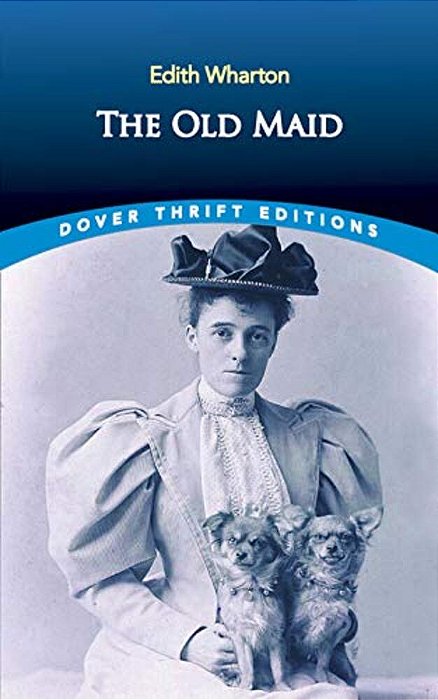
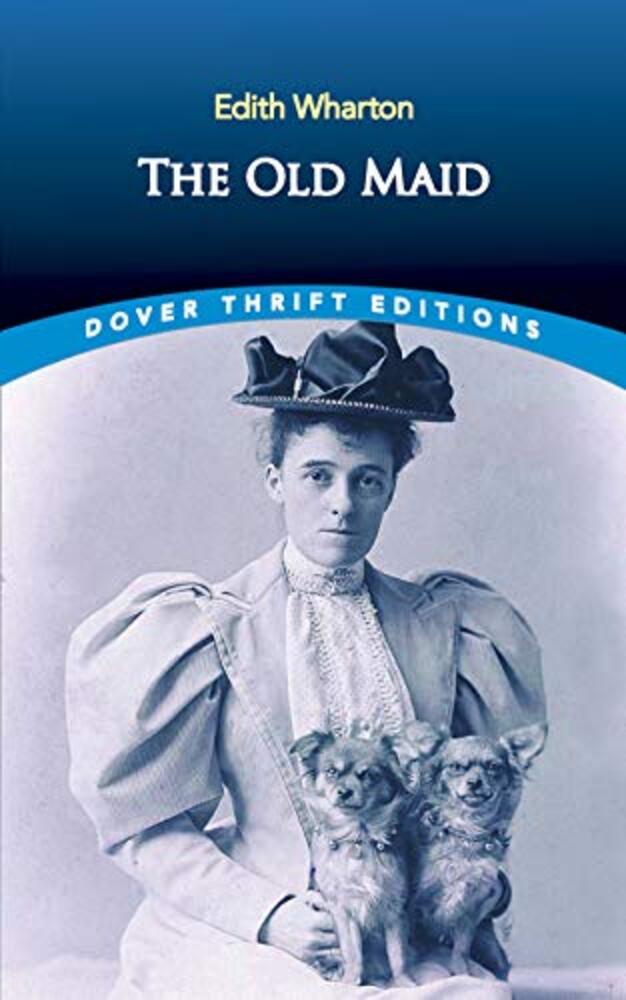
The Old Maid-..
Adicionar ao carrinho
Disponibilidade: 90 dias úteis
Estoque: 20 unidades
-
R$ 31,54

-
R$ 33,20

-
R$ 33,20

Delia rejected passion in favor of a secure marriage but cousin Charlotte followed her own heart, even though it meant remaining unwed and giving up her baby. Charlotte's sacrifice has allowed the child, Tina, an advantageous position in New York City's fashionable society as Delia's adopted daughter. Now Tina's a graceful young woman and ready to marry -- and the anguish that Charlotte has long suppressed is ready to explode. In addition to her mastery of the novella, Edith Wharton was a keen observer of her own privileged class. Her skill at capturing telling details of nineteenth-century society elevates this soap-opera scenario of a mother's self-denial into a memorable and compelling drama. First published in serial form in The Red Book Magazine in 1922, the story has since become a classic of American literature and has served as the basis for a Pulitzer Prize-winning Broadway play as well as a classic Hollywood film. This edition features an Introduction by Roxana Robinson, author of Cost.
Wharton, Edith
Edith Wharton nasceu em 1862, em Nova York, Estados Unidos. Foi escritora com vasta obra, incluindo romances, contos, poesia e narrativas de viagem. Parte de uma família aristocrata, tratou em seus escritos de forma crítica dos valores e convenções da alta sociedade nova-iorquina. Após seu divórcio, no início dos anos 1910, mudou-se para França, onde viveu até o fim da vida, em 1937. Com "A idade da inocência", livro lançado em 1920, ganhou o Prêmio Pulitzer de ficção, sendo a primeira mulher a receber a premiação. A obra foi adaptada para o cinema por Martin Scorsese, em 1993. |
| ISBN | 9780486836010 |
| Autor(a) | Wharton, Edith |
| Editora | Dover Publications |
| Ano de edição | 2019 |
| Páginas | 96 |
| Acabamento | Brochura |
| Dimensões | 20,10 X 12,50 |
Produtos relacionados
-
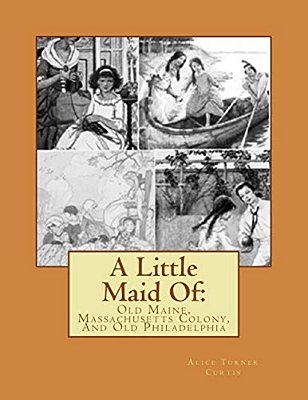 A Little Maid Of:: Old Maine, Massachusetts Colony, And Old Philadelphia-..ou R$ 94,56 via Pix
R$ 124,42R$ 99,5420% Desconto


Categorias
Pague com

Selos

MYRE EDITORA, COMERCIALIZADORA, IMPORTADORA E DISTRIBUIDORA LTDA - CNPJ: 50.295.718/0001-20 © Todos os direitos reservados. 2026
