


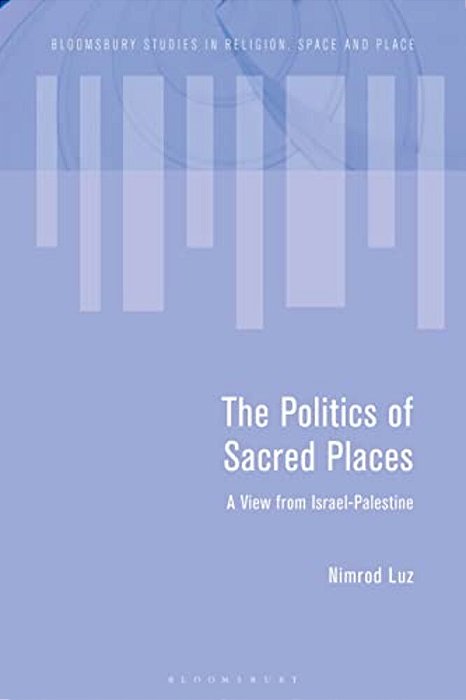
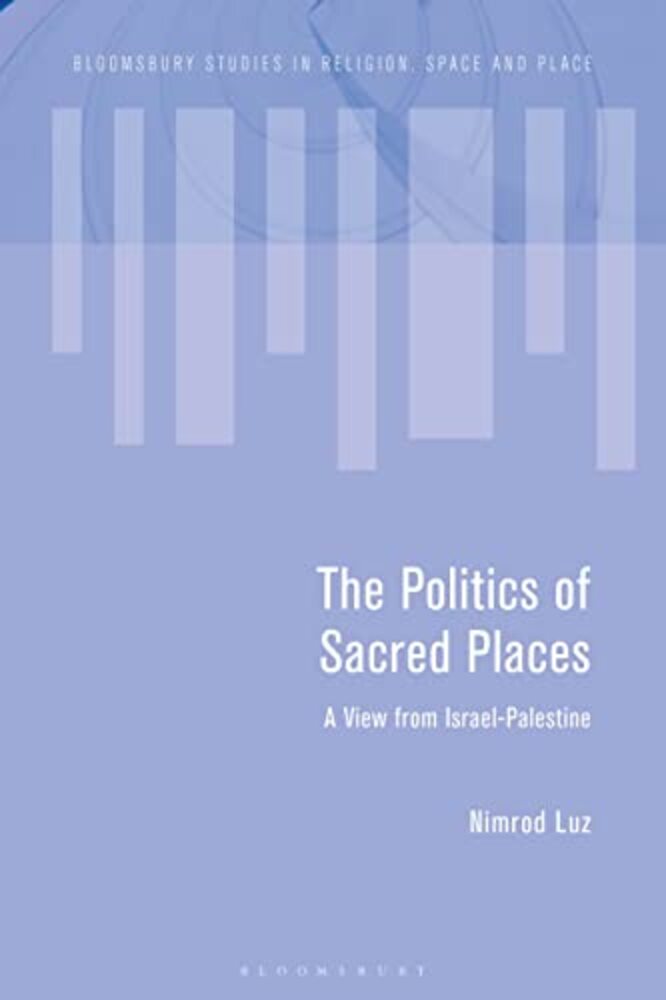
The Politics Of Sacred Places: A View From Israel-Palestine-..
até
4x
de
R$ 66,31
sem juros
ou R$ 252,01
via Pix
Adicionar ao carrinho
Disponibilidade: 45 dias úteis
Estoque: 219 unidades
-
- 1x de R$ 265,27 sem juros
- 2x de R$ 132,63 sem juros
- 3x de R$ 88,42 sem juros
- 4x de R$ 66,31 sem juros
-
R$ 252,01

-
R$ 265,27


The Politics of Sacred Places is a study of the socio-political dimensions of sacred sites in Israel-Palestine, drawing on over 20 years of in-depth ethnographic research which introduces cutting-edge theories on secularization, struggles for recognition, and diversity issues. This book focuses on contemporary sacred sites and their socio-political meanings for minorities within a hegemonic and a secularizing state-system. It argues that sacred places provide a space that is less scrutinized by the state and where alternative visions of the socio-political may be produced. A plethora of sites and case studies are examined, including the rural shrine of Maqam abu al-Hijja in the lower Galilee, the Mosque of Hassan Bek in the heart of Tel Aviv-Jaffa and the most disputed sacred place in the region, the Haram al-Sharif in Jerusalem. These sites are explored through mostly a phenomenological lens and in various contexts, from the individual body to the global. This book offers a critical-analytical study of the socio-political aspects of sacred sites in contemporary societies within the broader understanding of scale and the spatial turn in the study of religion.
| ISBN | 9781350295766 |
| Autor(a) | Luz, Nimrod |
| Editora | Bloomsbury - USA |
| Ano de edição | 2025 |
| Páginas | 240 |
| Acabamento | Brochura |
| Dimensões | 23,40 X 15,60 |
Produtos relacionados
-
 The Politics Of Sacred Places: A View From Israel-Palestine-..
R$ 996,00R$ 796,80até 4x de R$ 199,20 sem jurosou R$ 756,96 via Pix20% Desconto -
 Politics Of Maps: Cartographic Constructions Of Israel/Palestine-..
R$ 913,00R$ 730,40até 4x de R$ 182,60 sem jurosou R$ 693,88 via Pix20% Desconto -
 Israel And Palestine: A Photographic Journey-..
R$ 179,03R$ 143,22até 2x de R$ 71,61 sem jurosou R$ 136,06 via Pix20% Desconto -
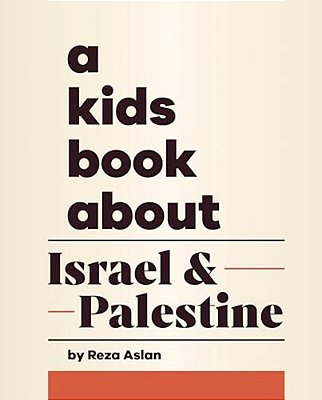 A Kids Book About Israel & Palestine-..
R$ 165,92R$ 132,74até 2x de R$ 66,37 sem jurosou R$ 126,10 via Pix20% Desconto
-

Categorias
Pague com

Selos

MYRE EDITORA, COMERCIALIZADORA, IMPORTADORA E DISTRIBUIDORA LTDA - CNPJ: 50.295.718/0001-20 © Todos os direitos reservados. 2026
