


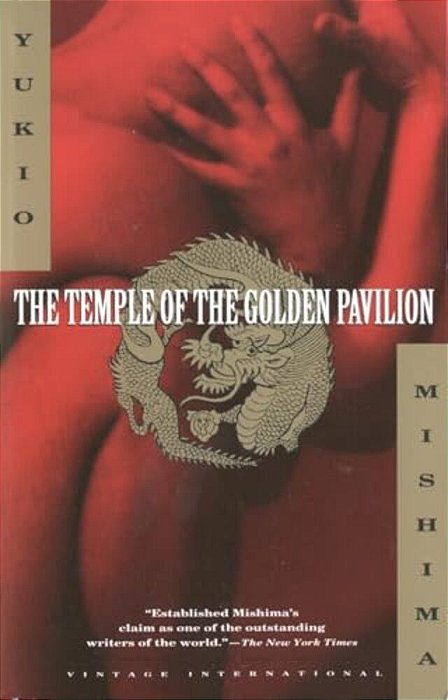
The Temple Of The Golden Pavilion-..
até
2x
de
R$ 59,76
sem juros
ou R$ 113,54
via Pix
Adicionar ao carrinho
Disponibilidade: 45 dias úteis
Estoque: 23 unidades
-
- 1x de R$ 119,52 sem juros
- 2x de R$ 59,76 sem juros
-
R$ 113,54

-
R$ 119,52


A haunting portrait of a young man's obsession with idealized beauty and his destructive quest to possess it fully--and the book that "established Mishima's claim as one of the outstanding writers of the world" (The New York Times). Because of the boyhood trauma of seeing his mother make love to another man in the presence of his dying father, Mizoguchi becomes a hopeless stutterer. Taunted by his schoolmates, he feels utterly alone and develops a childhood fascination with Kyoto's famous Golden Temple. While an acolyte at the temple, he fixates on the structure's aesthetic perfection and it becomes his one and only object of desire. But as Mizoguchi begins to perceive flaws in the temple, he determines that the only true path to beauty lies in an act of horrific violence. Based on a real incident that occurred in 1950, The Temple of the Golden Pavilion brilliantly portrays the passions and agonies of a young man in postwar Japan, bringing to the subject the erotic imagination and instinct for the dramatic moment that marked Mishima as one of the towering makers of modern fiction.
Mishima, Yukio
Grande admirador das tradições milenares da cultura japonesa, especialmente da conduta virtuosística dos samurais, Yukio Mishima - pseudônimo de Hiraoka Kimitake (1925-1970) - viveu a literatura como se fosse parte indissociável de sua existência. Além de romances, escreveu também poemas, ensaios e peças teatrais. Crítico contumaz da degradação do Japão moderno, permaneceu sempre em luta pela retomada dos valores clássicos do seu país, até cometer o suicídio, em 1970. Sua morte é emblemática de como, para ele, arte e vida não se separavam: depois de rasgar o próprio ventre com um sabre, foi decapitado por um de seus discípulos, de acordo com a tradição samurai. |
| ISBN | 9780679752707 |
| Autor(a) | Mishima, Yukio |
| Editora | Vintage |
| Ano de edição | 1994 |
| Páginas | 288 |
| Acabamento | Brochura |
Produtos relacionados
-
 Charlotte Temple And Lucy Temple-..
R$ 149,40R$ 119,52até 2x de R$ 59,76 sem jurosou R$ 113,54 via Pix20% Desconto -
 Temple & Contemplation-..
R$ 2.905,00R$ 2.324,00até 4x de R$ 581,00 sem jurosou R$ 2.207,80 via Pix20% Desconto
-



Categorias
Pague com

Selos

MYRE EDITORA, COMERCIALIZADORA, IMPORTADORA E DISTRIBUIDORA LTDA - CNPJ: 50.295.718/0001-20 © Todos os direitos reservados. 2026
