


até
4x
de
R$ 493,02
sem juros
ou R$ 1.873,48
via Pix
Adicionar ao carrinho
Disponibilidade: 45 dias úteis
Estoque: 211 unidades
-
- 1x de R$ 1.972,08 sem juros
- 2x de R$ 986,04 sem juros
- 3x de R$ 657,36 sem juros
- 4x de R$ 493,02 sem juros
-
R$ 1.873,48

-
R$ 1.972,08


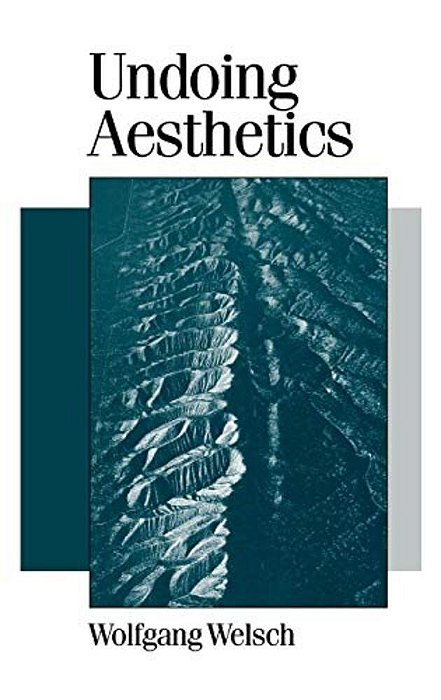
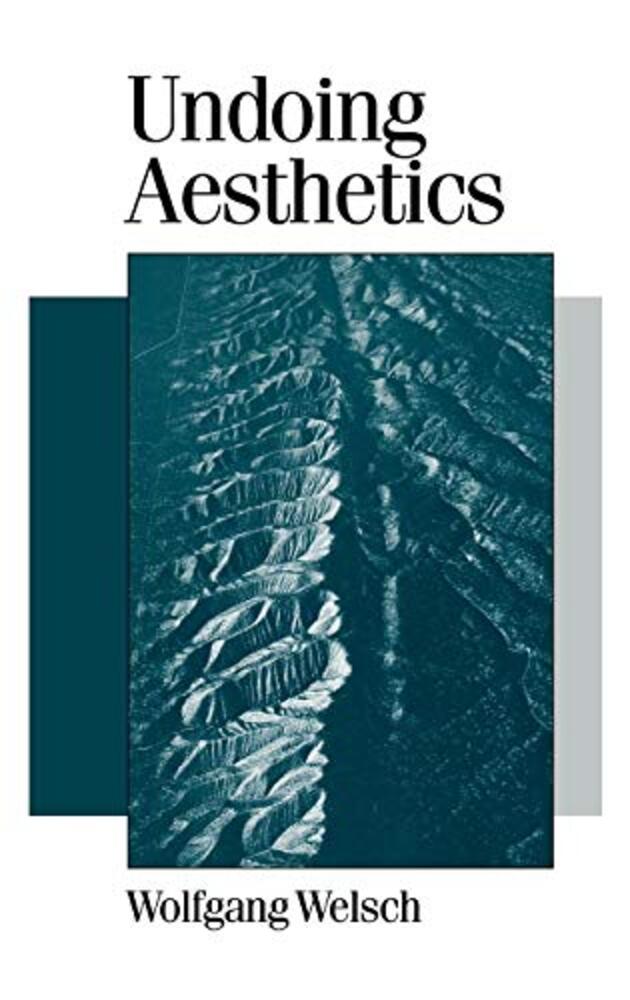
In this discussion of the aesthetic in everyday life the aesthetic codes of advertising, architecture, the Internet and everyday images are used as examples of the disorientation which a multiplication of codes creates. Welsch proposes untangling the aestheticization of everyday life' and replacing it by more meaningful and durable categories.
| ISBN | 9780761955931 |
| Autor(a) | Welsch, Wolfgang |
| Editora | Sage Publications UK |
| Ano de edição | 1998 |
| Páginas | 224 |
| Acabamento | Capa Dura |
Produtos relacionados
-
 Undoing Aesthetics-..
R$ 747,00R$ 597,60até 4x de R$ 149,40 sem jurosou R$ 567,72 via Pix20% Desconto -
 Undoing Gender-..
R$ 639,02R$ 511,22até 4x de R$ 127,80 sem jurosou R$ 485,66 via Pix20% Desconto -
 Undoing Culture: Globalization, Postmodernism And Identity-..
R$ 1.162,00R$ 929,60até 4x de R$ 232,40 sem jurosou R$ 883,12 via Pix20% Desconto -
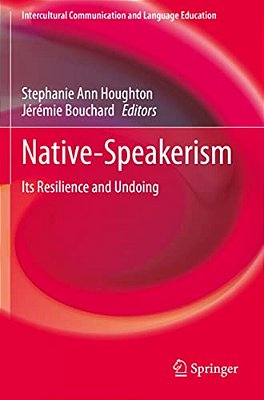 Native-Speakerism: Its Resilience And Undoing-..
R$ 1.327,92R$ 1.062,34até 4x de R$ 265,58 sem jurosou R$ 1.009,22 via Pix20% Desconto
-

Categorias
Pague com

Selos

MYRE EDITORA, COMERCIALIZADORA, IMPORTADORA E DISTRIBUIDORA LTDA - CNPJ: 50.295.718/0001-20 © Todos os direitos reservados. 2026
