


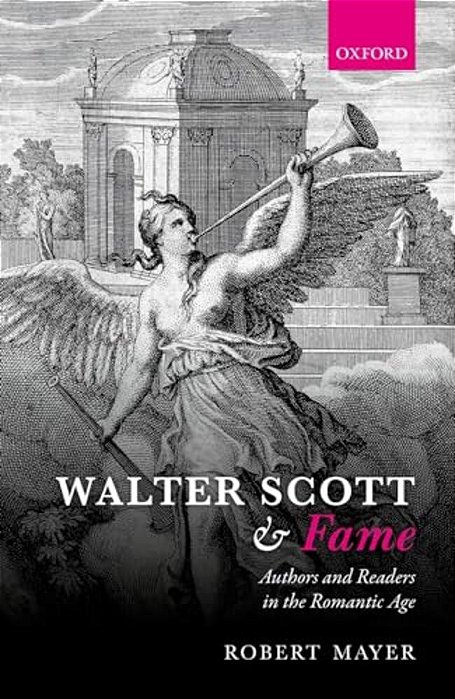
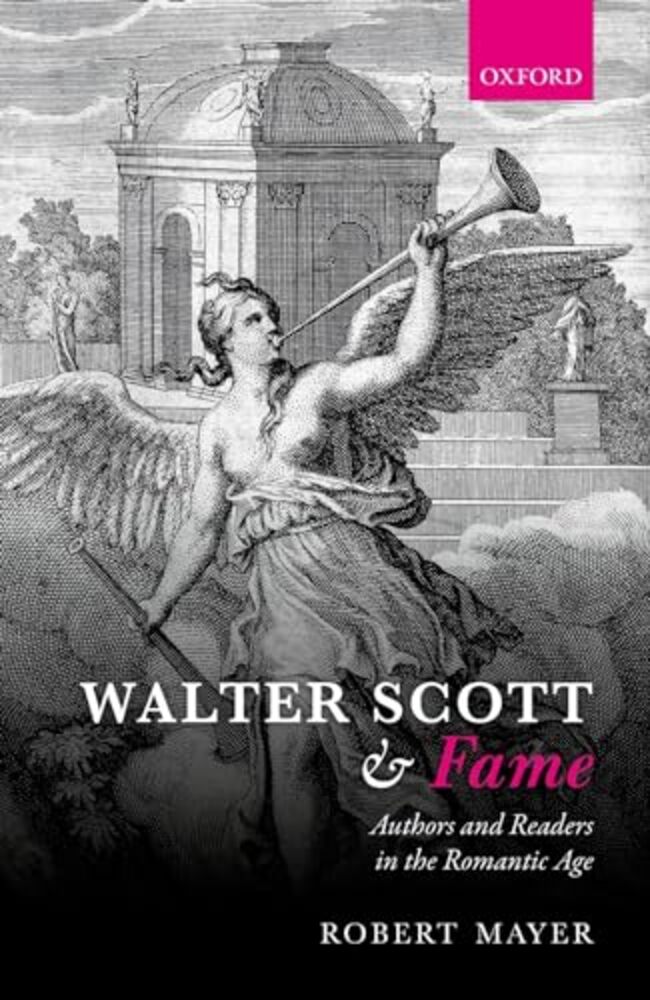
Walter Scott And Fame: Authors And Readers In The Romantic Age-..
até
4x
de
R$ 207,50
sem juros
ou R$ 788,50
via Pix
Adicionar ao carrinho
Disponibilidade: 45 dias úteis
Estoque: 156 unidades
-
- 1x de R$ 830,00 sem juros
- 2x de R$ 415,00 sem juros
- 3x de R$ 276,66 sem juros
- 4x de R$ 207,50 sem juros
-
R$ 788,50

-
R$ 830,00


Walter Scott and Fame is a study of correspondences between Scott and socially and culturally diverse readers of his work in the English-speaking world in the early nineteenth century. Examining authorship, reading, and fame, the book is based on extensive archival research, especially in the collection of letters to Scott in the National Library of Scotland. Robert Mayer demonstrates that in Scott's literary correspondence constructions of authorship, reading strategies, and versions of fame are posited, even theorized. Scott's reader-correspondents invest him with power but they also attempt to tap into or appropriate some of his authority. Scott's version of authorship sets him apart from important contemporaries like Wordsworth and Byron, who adhered, at least as Scott viewed the matter, to a rarefied conception of the writer as someone possessed of extraordinary power. The idea of the author put in place by Scott in dialogue with his readers establishes him as a powerful figure who is nevertheless subject to the will of his audience. Scott's literary correspondence also demonstrates that the reader can be a very powerful figure and that we should regard reading not just as the reception of texts but also as the apprehension of an author-function. Thus, Scott's correspondence makes it clear that the relationship between authors and readers is a dynamic, often fraught, connection, which needs to be understood in terms of the new culture of celebrity that emerged during Scott's working life. Along with Byron, the study shows, Scott was at the centre of this transformation.
Mayer, Robert
Robert Mayer estudou na Universidade Laval, onde obteve o Ph.D. em Sociologia. É professor da Escola de Serviço Social da Universidade de Montreal. É coautor, com Francine Ouellet, de Méthodologie de recherche pour les intervenants sociaux
(Gaëtan Morin Éditeur, 1991), e também coautor, com H. Lamoureux, J. Lavoie
e J. Panet-Raymond, da obra La pratique de l’action communautaire (Presses de
l’Université du Québec, 1996). Participou de diferentes projetos de pesquisa
social e dirige seus ensinamentos, principalmente, à pesquisa-ação, à análise
dos problemas sociais e à evolução das práticas sociais. |
| ISBN | 9780198794820 |
| Autor(a) | Mayer, Robert |
| Editora | Oxford University Press (UK) |
| Ano de edição | 2017 |
| Páginas | 236 |
| Acabamento | Capa Dura |
| Dimensões | 23,60 X 15,20 |
Produtos relacionados
-
 Ivanhoe Sir Walter Scott-..
R$ 192,98R$ 154,38até 3x de R$ 51,46 sem jurosou R$ 146,66 via Pix20% Desconto

Categorias
Pague com

Selos

MYRE EDITORA, COMERCIALIZADORA, IMPORTADORA E DISTRIBUIDORA LTDA - CNPJ: 50.295.718/0001-20 © Todos os direitos reservados. 2026
