


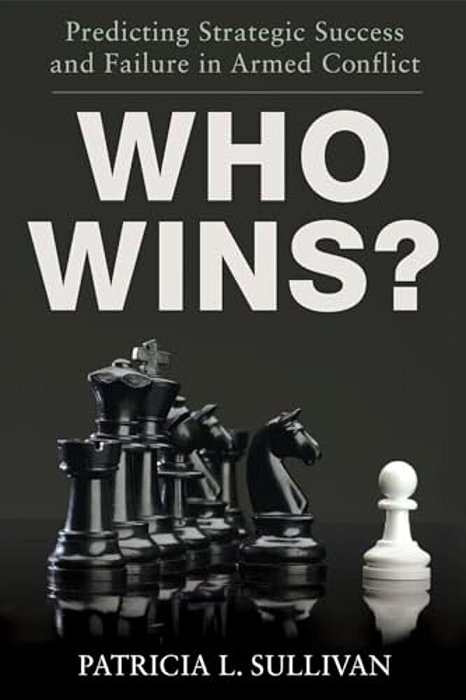
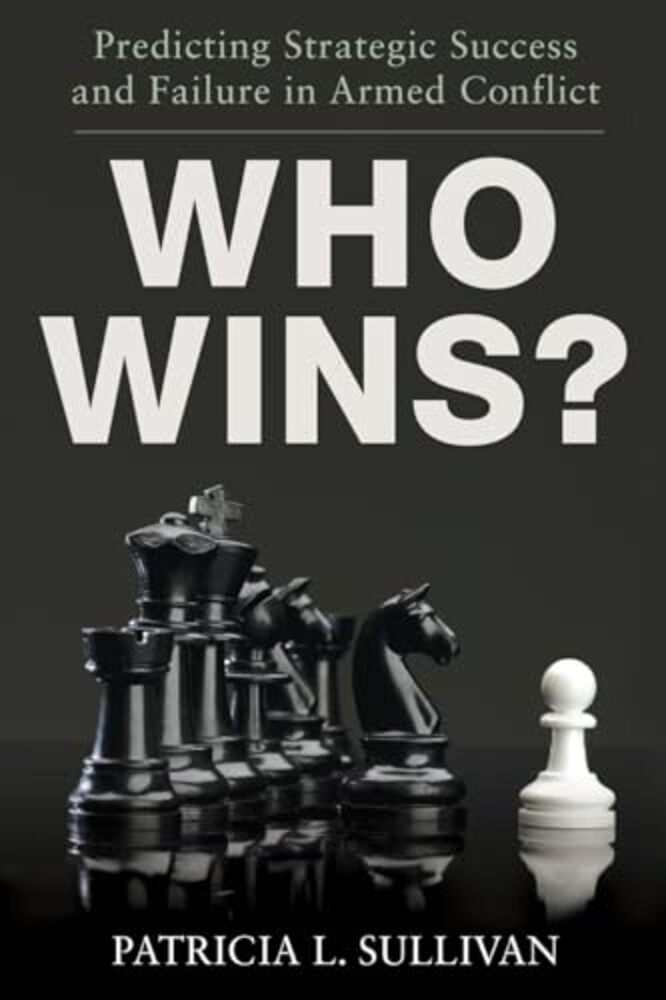
Who Wins?: Predicting Strategic Success And Failure In Armed Conflict-..
até
4x
de
R$ 99,60
sem juros
ou R$ 378,48
via Pix
Adicionar ao carrinho
Disponibilidade: 45 dias úteis
Estoque: 157 unidades
-
- 1x de R$ 398,40 sem juros
- 2x de R$ 199,20 sem juros
- 3x de R$ 132,80 sem juros
- 4x de R$ 99,60 sem juros
-
R$ 378,48

-
R$ 398,40


Despite their immense war-fighting capacity, the five most powerful states in the international system have failed to attain their primary political objective in almost 40% of their military operations against weak state and non-state targets since 1945. Why are states with tremendous military might so often unable to attain their objectives when they use force against weaker adversaries? More broadly, under what conditions can states use military force to attain their political objectives and what conditions limit the utility of military force as a policy instrument? Can we predict the outcome of a war before the fighting begins? Scholars and military leaders have argued that poor military strategy choices, domestic political constraints on democratic governments, or failure to commit sufficient resources to the war effort can explain why strong states lose small wars. In contrast, Who Wins? by Patricia L. Sullivan argues that the key to understanding strategic success in war lies in the nature of the political objectives states pursue through the use of military force. Sullvian does not deny the importance of war-fighting capacity, military strategies, or resolve as determinants of war outcomes. But she provides both a coherent argument and substantial empirical evidence that the effects of these factors are dependent on the nature of the belligerents' political objectives. The theory's predictions about the conditions under which states are able to attain their political objectives through the use of military force are tested against the most widely accepted alternative explanations of war outcomes with an abundance of historical data on violent conflicts. The results support Sullivan's argument and challenge both existing theories and conventional wisdom about the impact of factors like military strength, resolve, regime type, and war-fighting strategies on war outcomes.
| ISBN | 9780199878352 |
| Autor(a) | Sullivan, Patricia L. Ph. |
| Editora | Oup US |
| Ano de edição | 2012 |
| Páginas | 192 |
| Acabamento | Brochura |
| Dimensões | 23,10 X 15,50 |
Produtos relacionados
-
 Armed Conflict Survey 2016-..
R$ 3.735,00R$ 2.988,00até 4x de R$ 747,00 sem jurosou R$ 2.838,60 via Pix20% Desconto -
 Embassies In Armed Conflict-..
R$ 1.452,50R$ 1.162,00até 4x de R$ 290,50 sem jurosou R$ 1.103,90 via Pix20% Desconto -
 Embassies In Armed Conflict-..
R$ 339,89R$ 271,91até 4x de R$ 67,97 sem jurosou R$ 258,31 via Pix20% Desconto -
 Strategic Conflict-..
R$ 1.942,12R$ 1.553,70até 4x de R$ 388,42 sem jurosou R$ 1.476,02 via Pix20% Desconto
-
Categorias
Pague com

Selos

MYRE EDITORA, COMERCIALIZADORA, IMPORTADORA E DISTRIBUIDORA LTDA - CNPJ: 50.295.718/0001-20 © Todos os direitos reservados. 2026
