


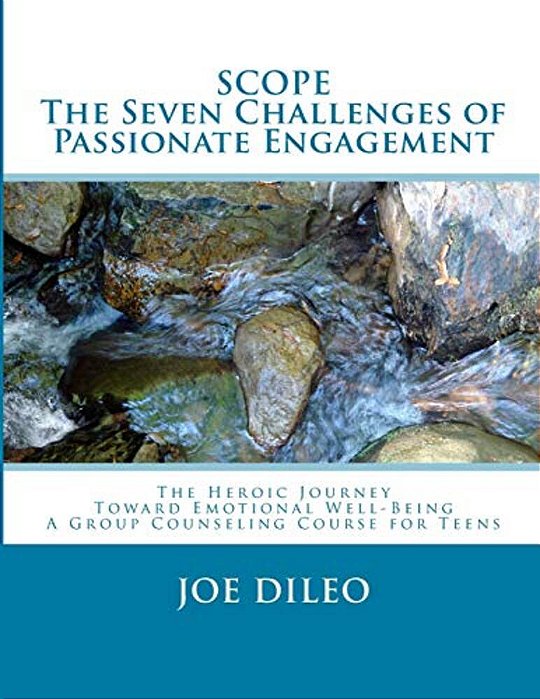
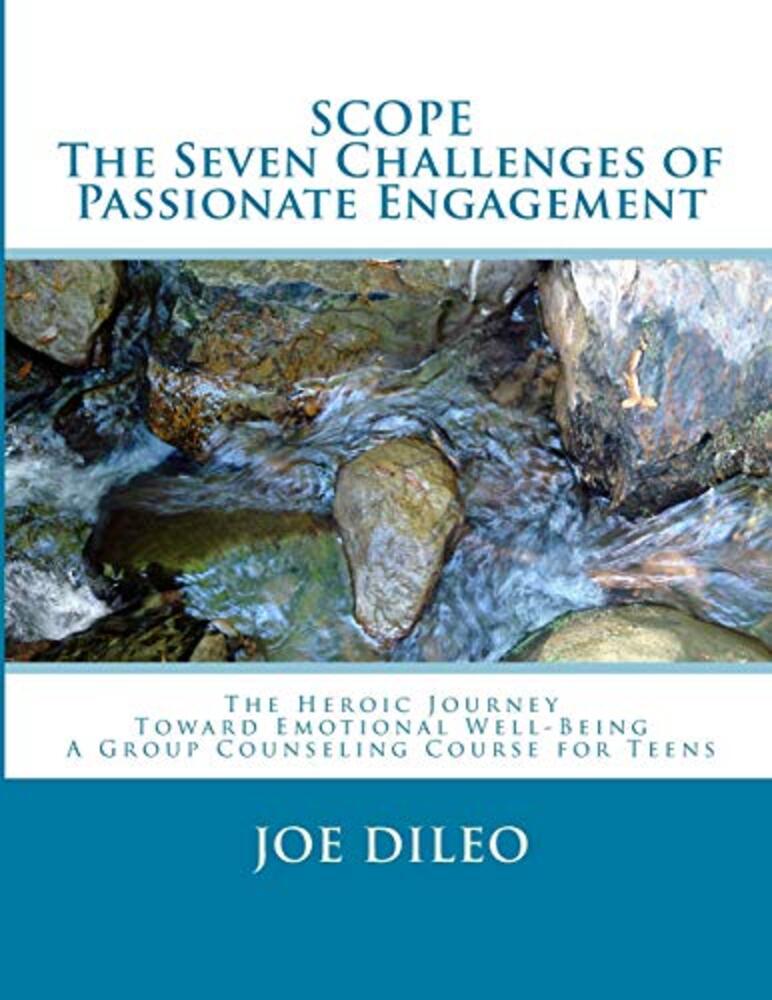
The Seven Challenges Of Passionate Engagement: The Herioc Journey Toward Emotional Well-Being A Group Counseling Course For Teens-..
até
2x
de
R$ 56,41
sem juros
ou R$ 107,18
via Pix
Adicionar ao carrinho
Disponibilidade: 45 dias úteis
Estoque: 186 unidades
-
- 1x de R$ 112,82 sem juros
- 2x de R$ 56,41 sem juros
-
R$ 107,18

-
R$ 112,82


Finding effective ways to deal with teen emotional well-being has become a hot topic in education. Tragedies like Columbine and Newtown are extreme examples but they do point to the fact that we are not adequately addressing proactive mental health education in our schools. As the common core unfolds in our schools, its emphasis on academic achievement bypasses the need for what may well be a deeper level of achievement - addressing the emotional intelligence and character development of teens approaching adult status. Traditional societies, including our own little red schoolhouses here in America, provided this type of education through the process of initiation to adulthood. Teens did not automatically become adults at age eighteen. They had to pass a grueling test of their emotional maturity. When the test was successfully completed, teens knew exactly what it meant to be an adult. The Seven Challenges of Passionate Engagement is a book that addresses this missing link. It challenges students to 'grow down' into the roots of human being. Teens need an educational component that provides a clear passageway to a secure identity as young adults. Modern education has fostered a lonely, individualized, educational milieu. Teaching to emotional intelligence and character development encourages self-responsibility, community consciousness, group leadership, and the ability to persevere through life's triumphs and tragedies. The Seven Challenges of Passionate Engagement fills a gaping hole in our quest to reform schools. It is student-centered and school-centered. Effective school reform will happen from within the heart of each child and each local school district.
| ISBN | 9781500569839 |
| Autor(a) | Dileo, Joe |
| Editora | Createspace |
| Ano de edição | 2014 |
| Páginas | 330 |
| Acabamento | Brochura |
| Dimensões | 28,00 X 21,60 |
Produtos relacionados
-
 Emotional Growth Of Teens: How Group Counseling Intervention Works For Schools-..
R$ 298,39R$ 238,71até 4x de R$ 59,67 sem jurosou R$ 226,77 via Pix20% Desconto -
 The Seven Challenges Of Passionate Engagement Curriculum Guide: An Effective Proactive Mental Health Curriculum For Teens-..ou R$ 63,02 via Pix
R$ 82,92R$ 66,3420% Desconto -
 Social Emotional Well-Being For Educators-..R$ 281,79até 4x de R$ 70,44 sem jurosou R$ 267,70 via Pix
 -
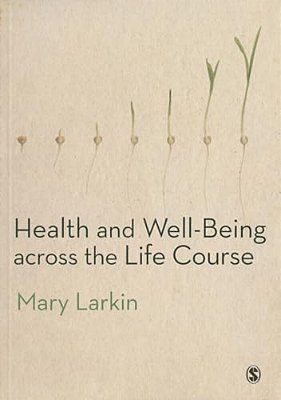 Health And Well-Being Across The Life Course-..
R$ 730,40R$ 584,32até 4x de R$ 146,08 sem jurosou R$ 555,10 via Pix20% Desconto
-

Categorias
Pague com

Selos

MYRE EDITORA, COMERCIALIZADORA, IMPORTADORA E DISTRIBUIDORA LTDA - CNPJ: 50.295.718/0001-20 © Todos os direitos reservados. 2026
